
Introduction: Why Vertical Balers Matter In Modern Waste Management
In today’s industrial and commercial environment, efficient waste handling is no longer optional—it is essential. Businesses across industries are facing rising disposal costs, limited storage space, and increasing environmental regulations. This is where the Vertical Baler Machine becomes a practical and cost-effective solution.
Designed to compress recyclable and waste materials into compact, manageable bales, vertical balers help companies reduce waste volume, improve workplace organization, and lower transportation expenses. From warehouses and retail stores to factories and recycling centers, vertical balers play a critical role in modern waste management systems.
This article will walk you through what a vertical baler is, why it is worth investing in, how to use it correctly, and how to choose the right model for your needs.
What Is A Vertical Baler Machine?
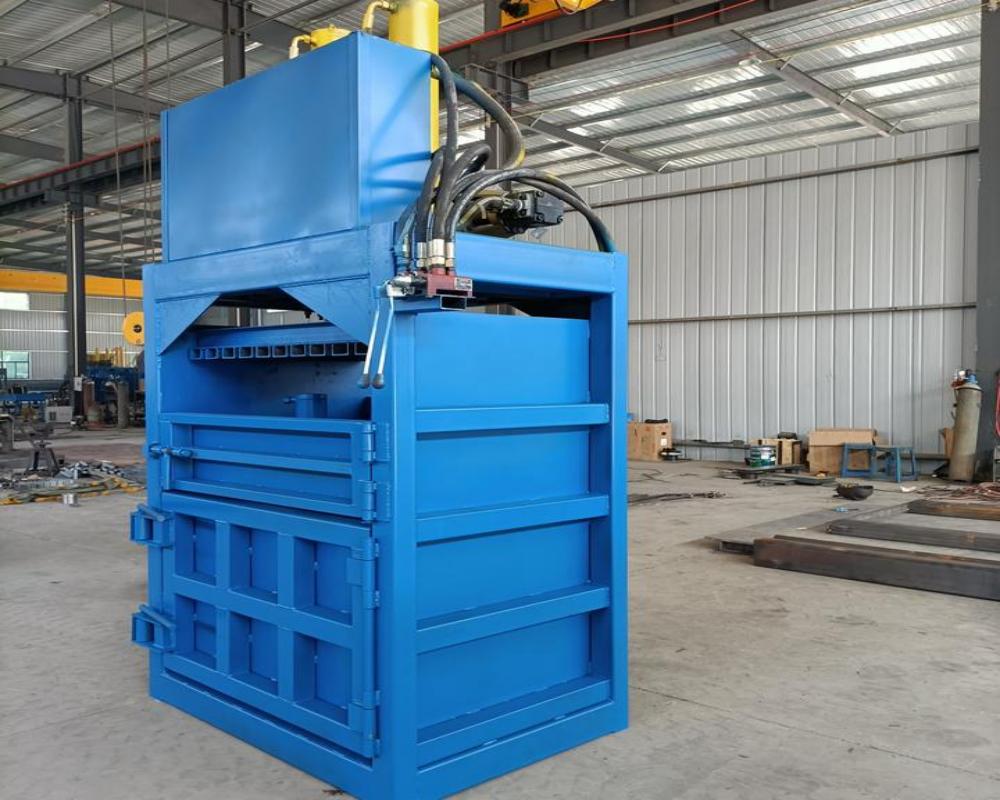
A Vertical Baler Machine is a hydraulic compression machine that compacts loose waste materials vertically into dense bales. Unlike horizontal balers, vertical balers require manual or semi-automatic feeding and are typically operated from the front.
Common Materials Processed By Vertical Balers
Vertical balers are widely used to compress:
-
Cardboard and paper waste
-
Plastic film, PET bottles, and plastic packaging
-
Textile scraps and fabric waste
-
Foam, soft plastics, and light industrial waste
-
Aluminum cans and light metal scrap (for higher-tonnage models)
Key Components Of A Vertical Baler
A standard vertical baler consists of:
-
Hydraulic system (cylinder, pump, oil tank)
-
Compression chamber
-
Pressing plate
-
Control panel (manual or PLC)
-
Bale tying system (manual or semi-automatic)
-
Safety interlock devices
The vertical structure allows gravity-assisted loading, making it ideal for locations with limited space.
Why Choose A Vertical Baler Machine?
1. Significant Volume Reduction
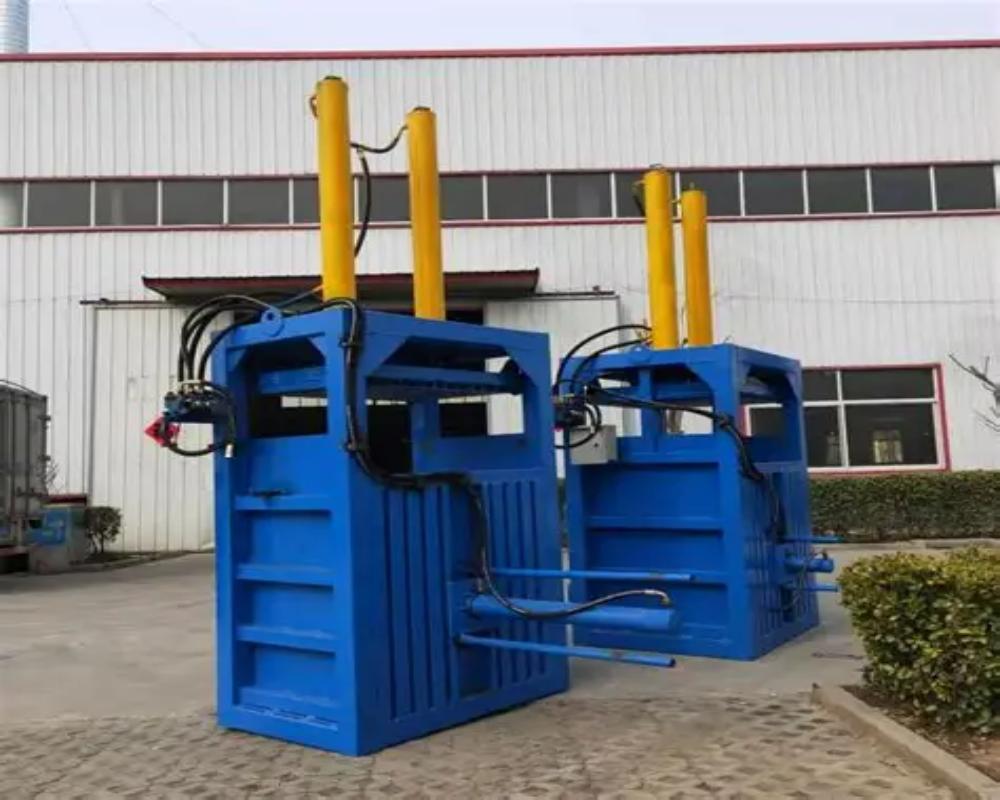
Vertical balers can reduce waste volume by up to 80–90%, turning bulky materials into neat, stackable bales. This dramatically decreases storage space requirements.
2. Lower Transportation And Disposal Costs
Compressed bales mean fewer waste collections and lower freight costs. Over time, this leads to substantial operational savings.
3. Improved Workplace Safety And Organization
Loose waste on the floor creates hazards and inefficiencies. Vertical balers help maintain a clean, organized working environment.
4. Ideal For Small To Medium Operations
Compared with horizontal balers, vertical balers:
-
Require less installation space
-
Have lower investment costs
-
Are easier to operate and maintain
This makes them perfect for supermarkets, warehouses, factories, hotels, printing houses, and recycling stations.
5. Supports Sustainability Goals
By improving recycling efficiency and reducing landfill waste, vertical balers help businesses meet environmental regulations and sustainability targets.
How Does A Vertical Baler Work?
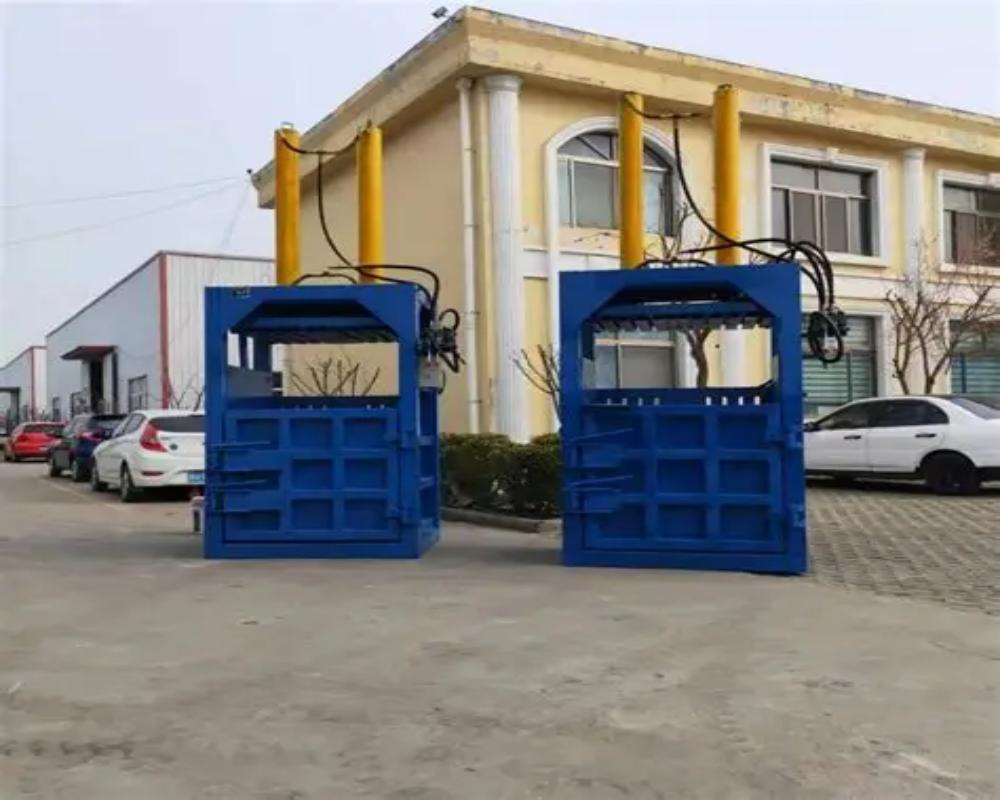
The working process of a vertical baler is simple and efficient:
-
Material Loading
Waste materials are manually placed into the compression chamber from the front or top opening. -
Hydraulic Compression
The hydraulic cylinder drives the pressing plate downward, compressing the material vertically. -
Repeated Compression Cycles
For larger volumes, materials are loaded and compressed multiple times to achieve higher bale density. -
Bale Tying
Once compression is complete, the bale is tied using wire or plastic strapping. -
Bale Ejection
The finished bale is manually or hydraulically ejected from the chamber.
How To Use A Vertical Baler Safely And Efficiently
Step-By-Step Operation Guide
-
Check the hydraulic oil level and electrical connections before starting.
-
Load materials evenly into the chamber.
-
Close the door and ensure safety locks are engaged.
-
Start the compression cycle using the control panel.
-
Repeat loading and compression as needed.
-
Tie the bale securely once full.
-
Eject and store the bale in a designated area.
Safety Tips
-
Never overload the chamber
-
Do not place hands inside during operation
-
Always use safety interlocks
-
Provide basic operator training
Proper operation ensures longer machine life and safer working conditions.
Vertical Baler Vs Horizontal Baler: Which Is Right For You?
| Feature | Vertical Baler | Horizontal Baler |
|---|---|---|
| Installation Space | Small | Large |
| Operation | Manual / Semi-auto | Semi-auto / Fully auto |
| Investment Cost | Lower | Higher |
| Output Capacity | Low to Medium | Medium to High |
| Ideal Users | Small & Medium Businesses | Large Recycling Plants |
If your waste volume is moderate and space is limited, a vertical baler is often the best choice.
How To Choose The Right Vertical Baler Model
Choosing the right model is critical for efficiency and return on investment. Here are the key factors to consider:
1. Compression Force (Tonnage)
Common vertical baler tonnages include:
-
10–20 tons: Small shops, offices
-
30–40 tons: Warehouses, retail chains
-
60+ tons: Industrial and recycling applications
Higher tonnage means denser bales and better handling efficiency.
2. Bale Size And Weight
Consider:
-
Available storage space
-
Forklift or manual handling capability
-
Transportation requirements
3. Material Type
Different materials require different compression forces:
-
Cardboard and paper: lower tonnage
-
Plastic bottles and film: medium tonnage
-
Light metal scrap: higher tonnage
4. Operation Mode
-
Manual vertical baler: cost-effective, simple
-
Semi-automatic vertical baler: higher efficiency
-
PLC-controlled models: better consistency and safety
5. Power Supply And Voltage
Ensure the machine matches your local voltage and electrical standards.
Maintenance And Service Considerations
Routine maintenance keeps your vertical baler running smoothly:
-
Regularly check hydraulic oil and seals
-
Inspect hoses and electrical connections
-
Keep the chamber clean
-
Follow manufacturer service intervals
A well-maintained vertical baler can operate reliably for many years with minimal downtime.
Typical Applications Of Vertical Balers
Vertical balers are widely used in:
-
Supermarkets and shopping malls
-
Logistics and distribution centers
-
Manufacturing plants
-
Printing and packaging facilities
-
Recycling stations and waste collection points
-
Hotels, hospitals, and schools
Their versatility makes them one of the most popular waste compression solutions worldwide.
Conclusion: Is A Vertical Baler Worth The Investment?
A Vertical Baler Machine is more than just a waste compactor—it is a smart investment that improves efficiency, reduces costs, and supports sustainable operations. With its compact design, ease of use, and wide application range, it is an ideal solution for businesses looking to manage waste professionally and economically.
By selecting the right model based on material type, output needs, and available space, you can maximize the benefits and achieve long-term operational savings.