
Introduction: Transforming Recycling And Packaging Efficiency
In today’s fast-paced industrial world, efficiency, cost-effectiveness, and sustainability are more important than ever. One machine that has significantly transformed material handling and recycling operations is the Horizontal Fully Automatic Baler.
This powerful machine compresses loose materials into compact, uniform bales, making storage, transport, and recycling far more efficient. From recycling plants to warehouses and manufacturing facilities, understanding the capabilities of a horizontal fully automatic baler can save time, reduce costs, and improve operational efficiency.
In this comprehensive guide, we will explore what this machine is, why it is essential, how to use it effectively, and how to select the right model for your specific needs.
What Is A Horizontal Fully Automatic Baler?
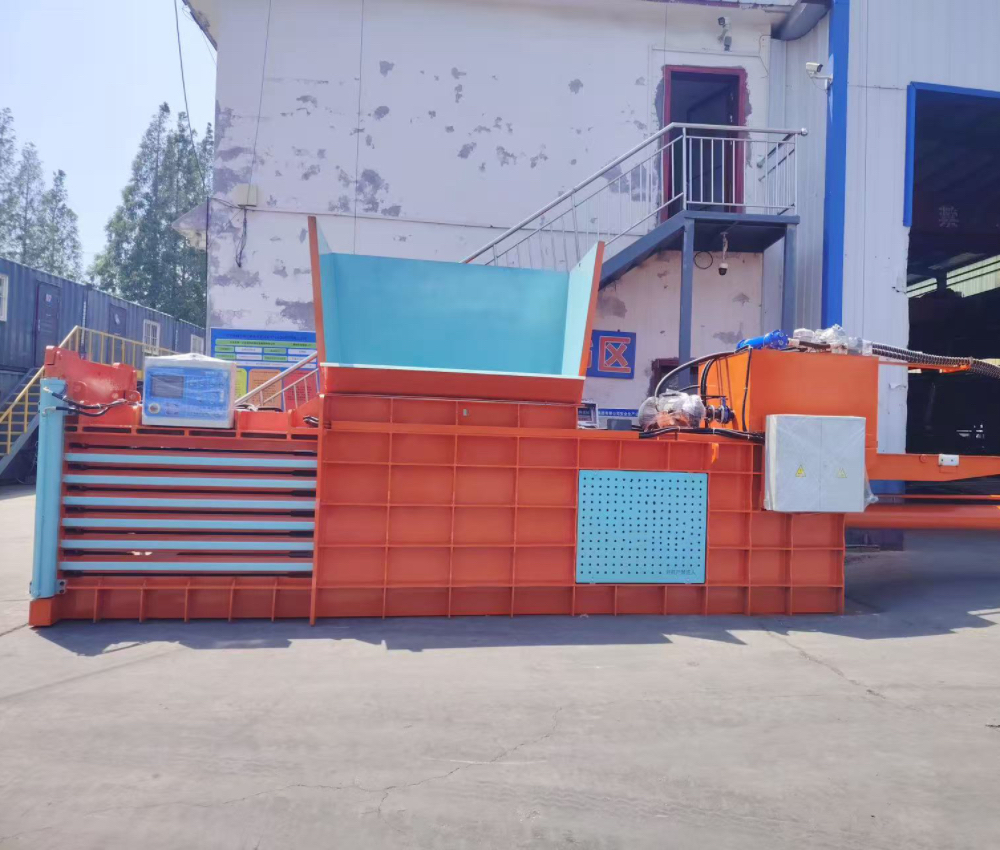
A Horizontal Fully Automatic Baler is an industrial machine designed to compress and bind recyclable materials into dense, manageable bales. Unlike vertical balers, which operate with an up-and-down motion, horizontal balers compress materials in a horizontal chamber. This allows for continuous feeding and higher throughput, making it ideal for large-scale operations.
Key Features:
-
Automatic Feeding: Materials are fed continuously via a conveyor system.
-
Hydraulic Compression: Powerful hydraulic cylinders compress materials into uniform, tight bales.
-
Automatic Bale Tying: Wire or strap tying is performed automatically.
-
High Capacity: Suitable for high-volume operations with minimal downtime.
-
Versatility: Handles cardboard, paper, plastics, textiles, and metals.
By using a horizontal fully automatic baler, facilities can maximize storage space, streamline operations, and reduce labor costs.
Why Horizontal Fully Automatic Balers Are Important
1. Maximize Space Efficiency
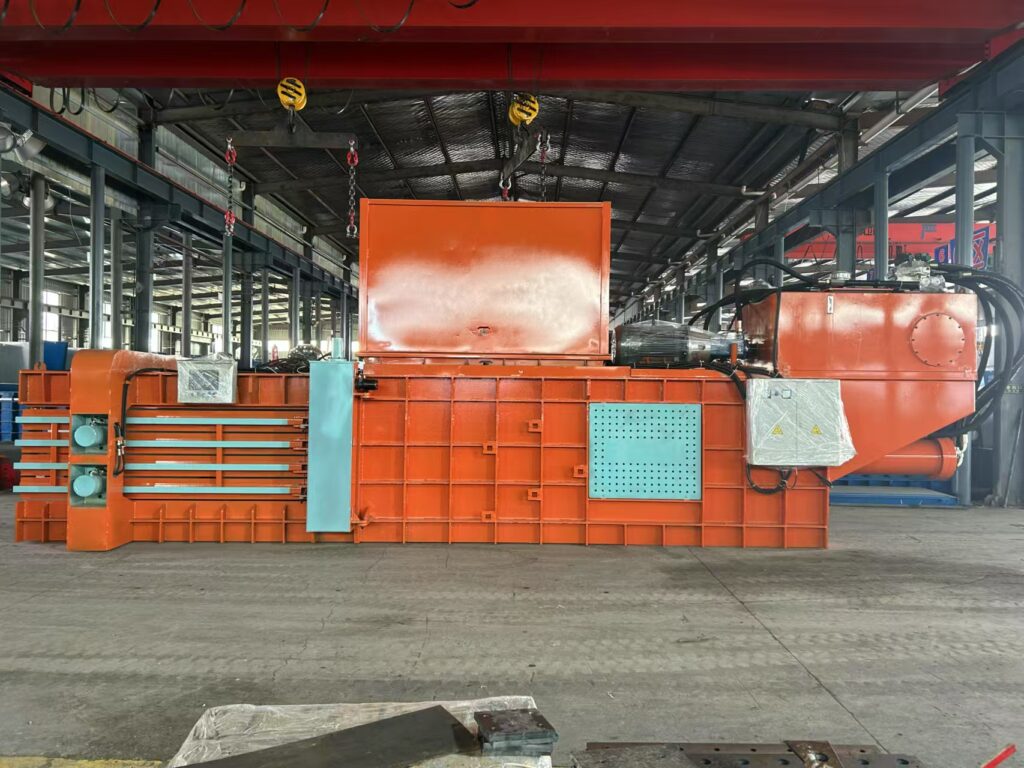
Loose materials occupy large volumes. By compressing them into dense bales, horizontal balers reduce the storage footprint, keeping warehouses organized and efficient.
2. Improve Operational Efficiency
Automatic feeding, compression, and tying reduce the need for manual labor, allowing staff to focus on other tasks and increasing overall productivity.
3. Reduce Transportation Costs
Dense, uniform bales are easier to transport, requiring fewer trips and reducing fuel consumption and logistics expenses.
4. Support Sustainable Practices
Efficient baling makes recycling more practical and eco-friendly, helping companies meet environmental regulations and sustainability goals.
5. Versatility Across Materials
Horizontal balers can handle a variety of materials, from cardboard and paper to plastics and metal scraps, making them a versatile solution for mixed recycling streams.
How To Use A Horizontal Fully Automatic Baler
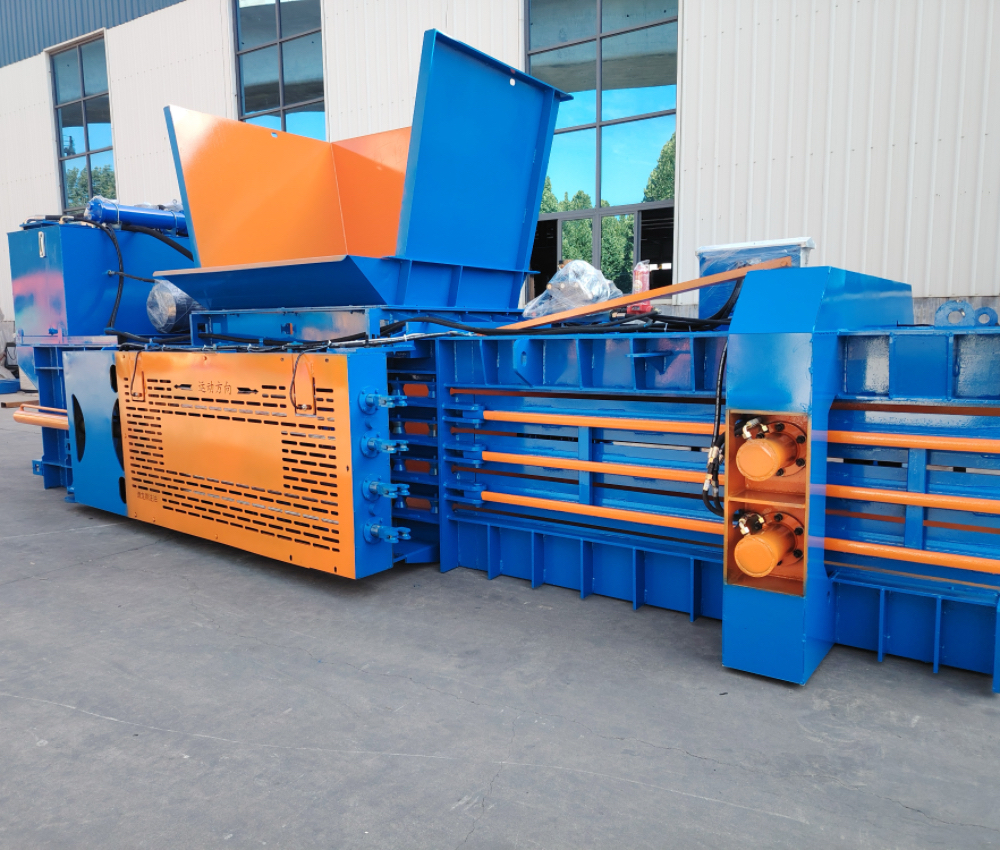
Step 1: Prepare The Material
Ensure materials are clean, dry, and free of debris. Separate different materials if necessary for consistent bale density.
Step 2: Load Materials Into The Conveyor
The automatic conveyor feeds materials into the compression chamber, allowing for continuous operation.
Step 3: Start The Compression Cycle
Activate the hydraulic system. The baler’s ram compresses the material into a tight, uniform bale. Modern balers have sensors to monitor pressure and bale density for optimal results.
Step 4: Automatic Bale Tying
Once compressed, the baler automatically ties the bale using wire or straps, ensuring secure handling during storage and transportation.
Step 5: Discharge The Bale
After tying, the bale is ejected automatically, ready for stacking or shipping. Fully automatic systems allow continuous operation without stopping.
Step 6: Perform Routine Maintenance
Regular maintenance is crucial for efficiency and longevity. Clean the machine, lubricate moving parts, and inspect hydraulic and electrical systems to prevent downtime.
How To Choose The Right Horizontal Fully Automatic Baler
Selecting the perfect baler depends on your material type, daily volume, and operational requirements.
1. Identify Material Type
Different materials require different compression forces. Cardboard and paper need less pressure than plastics or metals.
2. Determine Daily Throughput
Calculate how much material you process daily. High-volume operations need balers with larger chambers and higher throughput rates.
3. Consider Bale Size And Weight
Bale dimensions affect storage and transport. Common sizes range from 30×30 cm to 110×125 cm, with weights from 50 kg to 1200 kg.
4. Check Hydraulic Power And Pressure
Higher tonnage balers are required for dense materials like metals. Hydraulic pressure determines bale density and compression quality.
5. Evaluate Automation Features
Features such as automatic feeding, tying, and bale ejection reduce labor costs. Advanced models may also include PLC controls, remote monitoring, and emergency stop systems.
6. Consider Energy Efficiency
Compare motor power, hydraulic efficiency, and cycle time to minimize operating costs.
7. Review Safety Features
Ensure the baler meets safety standards, with sensors, lockout mechanisms, and emergency stops to protect operators.
Tips For Maximizing Efficiency And Lifespan
-
Pre-sort Materials: Reduces machine wear and improves bale quality.
-
Avoid Overloading: Excessive material can slow down the cycle and strain the machine.
-
Use High-Quality Wire Or Straps: Ensure bales remain secure during handling.
-
Train Operators: Proper training improves safety and efficiency.
-
Perform Regular Inspections: Preventive maintenance reduces downtime and costly repairs.
Conclusion: Invest In Efficiency And Sustainability
A Horizontal Fully Automatic Baler is more than a machine—it is a strategic investment. By compressing materials efficiently, reducing labor costs, optimizing storage, and supporting sustainability, this machine provides long-term benefits for businesses of all sizes.
Whether you operate a small warehouse or a large recycling facility, selecting the right baler, understanding its operation, and maintaining it properly will ensure consistent performance and a strong return on investment.
Investing in a horizontal fully automatic baler means embracing efficiency, safety, and modern recycling practices, keeping your business competitive and future-ready.