
Introduction: Why Industrial Shredders Are More Important Than Ever
In today’s industrial and recycling-driven world, material processing efficiency is no longer optional — it is essential. From metal recycling plants and waste management facilities to manufacturing factories and e-waste processors, industrial shredders have become a core piece of equipment.
An industrial shredder is not just a machine that “cuts materials.” It is a productivity booster, a cost saver, and a key contributor to sustainable operations. Whether you are handling metal scrap, plastic waste, tires, wood, paper, or electronic waste, choosing the right shredder can dramatically improve your workflow.
In this article, we will clearly explain what an industrial shredder is, why your business needs one, how to use it effectively, and most importantly, how to choose the right shredder model for your application.
What Is An Industrial Shredder?
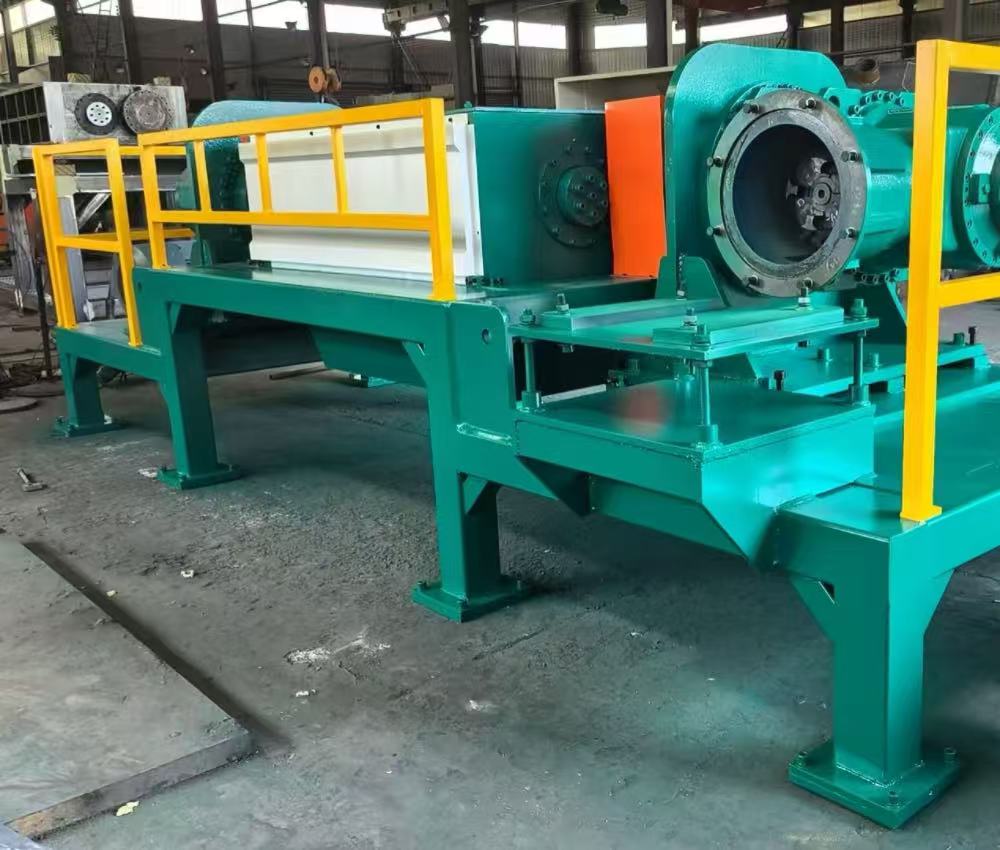
An industrial shredder is a heavy-duty machine designed to reduce large materials into smaller, manageable pieces through cutting, tearing, or shearing forces. Unlike household shredders, industrial shredders are built for continuous operation, high torque, and demanding materials.
Industrial shredders are widely used in:
-
Metal recycling
-
Plastic recycling
-
Municipal solid waste processing
-
E-waste recycling
-
Tire recycling
-
Wood and pallet processing
-
Textile and fiber shredding
Depending on the design, shredders can handle materials such as steel, aluminum, copper cables, plastic pipes, rubber tires, fabric, and even bulky industrial waste.
How Does An Industrial Shredder Work?
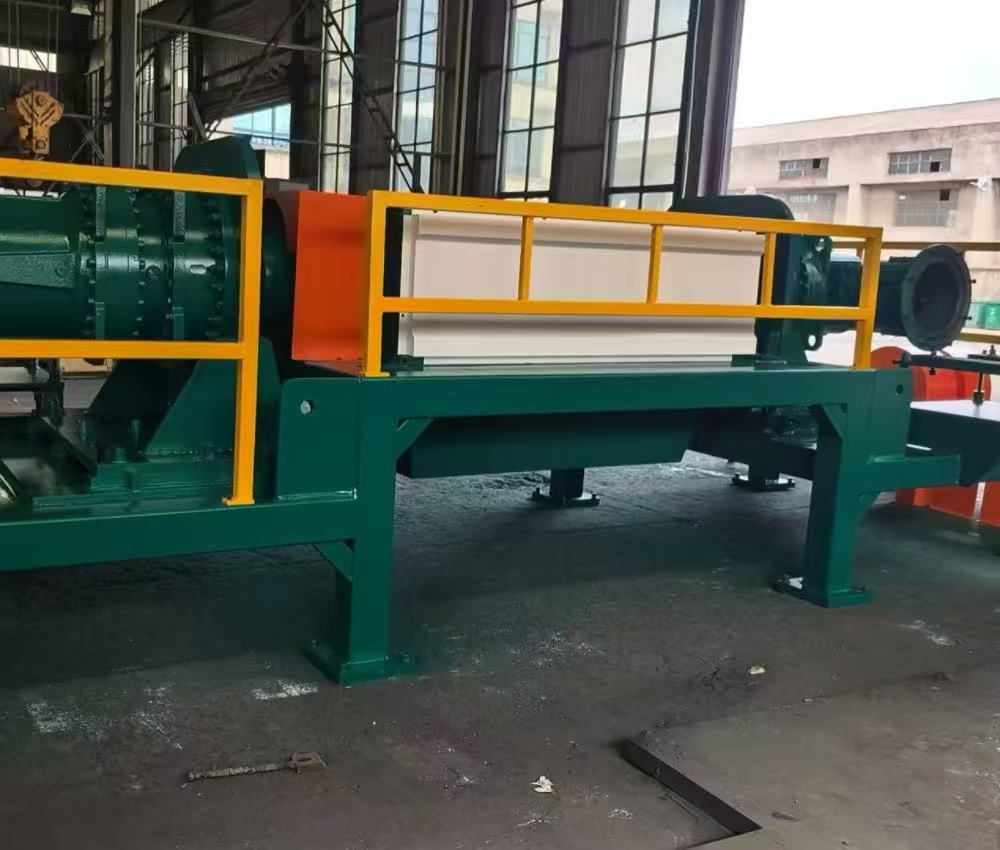
Although designs vary, the basic working principle of an industrial shredder is straightforward.
Feeding System
Material is fed into the shredder through a hopper or conveyor. Depending on the model, feeding can be manual or fully automatic.
Cutting System
The core of the shredder is the cutting system, consisting of:
-
Rotating shafts
-
Cutting blades or knives
-
Spacers and shafts
As the shafts rotate, the blades grab, tear, and shear the material into smaller pieces.
Drive System
Most industrial shredders are powered by electric motors and gearboxes that provide high torque at low speed, ensuring strong cutting force and reduced wear.
Discharge System
Shredded material exits from the bottom or side of the machine and can be transported to the next processing stage, such as baling, briquetting, or granulation.
Types Of Industrial Shredders
Single Shaft Shredder
Single shaft shredders use one rotating shaft and a hydraulic pusher to feed material toward the blades. They are ideal for:
-
Plastic
-
Wood
-
Paper
-
Light metal scrap
-
RDF waste
Double Shaft Shredder
Double shaft shredders feature two counter-rotating shafts. They are extremely robust and suitable for:
-
Metal scrap
-
Aluminum profiles
-
Steel drums
-
Tires
-
E-waste
Four Shaft Shredder
Four shaft shredders offer higher output control and uniform particle size. They are often used in:
-
E-waste recycling
-
Secure document destruction
-
High-precision applications
Why Do You Need An Industrial Shredder?
Improved Material Handling
Large or bulky materials are difficult to transport and store. Shredding reduces volume, making materials easier to handle and process.
Higher Recycling Value
Shredded materials are more suitable for downstream equipment such as balers, briquetting machines, or furnaces, increasing recycling efficiency and value.
Cost Reduction
By reducing material size, you can lower transportation costs, storage space, and labor requirements.
Environmental Compliance
Many countries enforce strict waste management and recycling regulations. Shredders help companies comply with environmental standards.
Increased Production Efficiency
A properly selected shredder can run continuously with minimal downtime, ensuring stable production and faster material processing.
How To Use An Industrial Shredder Correctly
Step 1: Prepare The Material
Remove oversized contaminants, stones, or non-processable materials before feeding to avoid blade damage.
Step 2: Feed The Material Properly
Do not overload the shredder. Even though industrial shredders are powerful, stable feeding ensures better output and longer blade life.
Step 3: Monitor Operation
Operators should monitor:
-
Motor load
-
Noise levels
-
Temperature
-
Cutting performance
Any abnormal behavior should be addressed immediately.
Step 4: Regular Maintenance
Routine maintenance includes:
-
Blade inspection and replacement
-
Lubrication
-
Hydraulic oil checks
-
Electrical system inspection
Proper maintenance significantly extends machine lifespan.
Key Applications Of Industrial Shredders
Metal Recycling
Shredders reduce metal scrap size for easier melting, baling, or briquetting.
Plastic Recycling
Plastic pipes, containers, and films are shredded before washing and pelletizing.
Tire Recycling
Tires are shredded into chips or rubber granules for reuse.
E-Waste Processing
Electronic waste is shredded to separate metals and plastics efficiently.
Industrial Waste Management
Factories use shredders to process production waste and rejected products.
How To Choose The Right Shredder Model
Choosing the right shredder is critical. Below are the most important factors to consider.
Material Type
The first question is what material you are shredding:
-
Metal requires high torque and hardened blades
-
Plastic requires precise cutting geometry
-
Mixed waste needs flexible blade design
Material Size And Thickness
Larger or thicker materials require:
-
Bigger shaft diameter
-
Stronger gearbox
-
Higher motor power
Desired Output Size
If you need uniform particle size, consider:
-
Screen-equipped single shaft shredders
-
Multi-shaft shredders with controlled output
Capacity Requirements
Define your required throughput:
-
Tons per hour
-
Hours per day
-
Continuous or batch operation
This will determine motor power and machine size.
Power Supply And Installation Space
Check:
-
Available voltage and frequency
-
Floor space
-
Loading and discharge layout
Maintenance And Operating Cost
A good shredder should offer:
-
Easy blade replacement
-
Durable wear parts
-
Low maintenance cost
Common Mistakes When Buying A Shredder
-
Choosing based on price only
-
Ignoring material characteristics
-
Underestimating capacity requirements
-
Not considering future expansion
-
Buying without technical support
A professional supplier should always ask about your material, capacity, and application before recommending a model.
Industrial Shredder And Downstream Equipment Integration
For maximum efficiency, shredders are often combined with:
-
Conveyor systems
-
Magnetic separators
-
Balers
-
Briquetting machines
-
Granulators
A well-designed shredding line can significantly increase productivity and automation.
Why Choose A Reliable Shredder Manufacturer?
A reliable manufacturer provides:
-
Proven machine design
-
High-quality steel and components
-
Stable performance
-
Technical support
-
Spare parts availability
Long-term reliability is far more important than short-term cost savings.
Conclusion: Invest In The Right Shredder For Long-Term Success
An industrial shredder is not just a machine — it is an investment in efficiency, sustainability, and profitability. By understanding what an industrial shredder is, why it is essential, how to use it properly, and how to choose the right model, you can avoid costly mistakes and maximize your return on investment.
If you are planning to upgrade your recycling line or start a new material processing project, selecting the right shredder will be the foundation of your success.