
What Is A Metal Shredder?
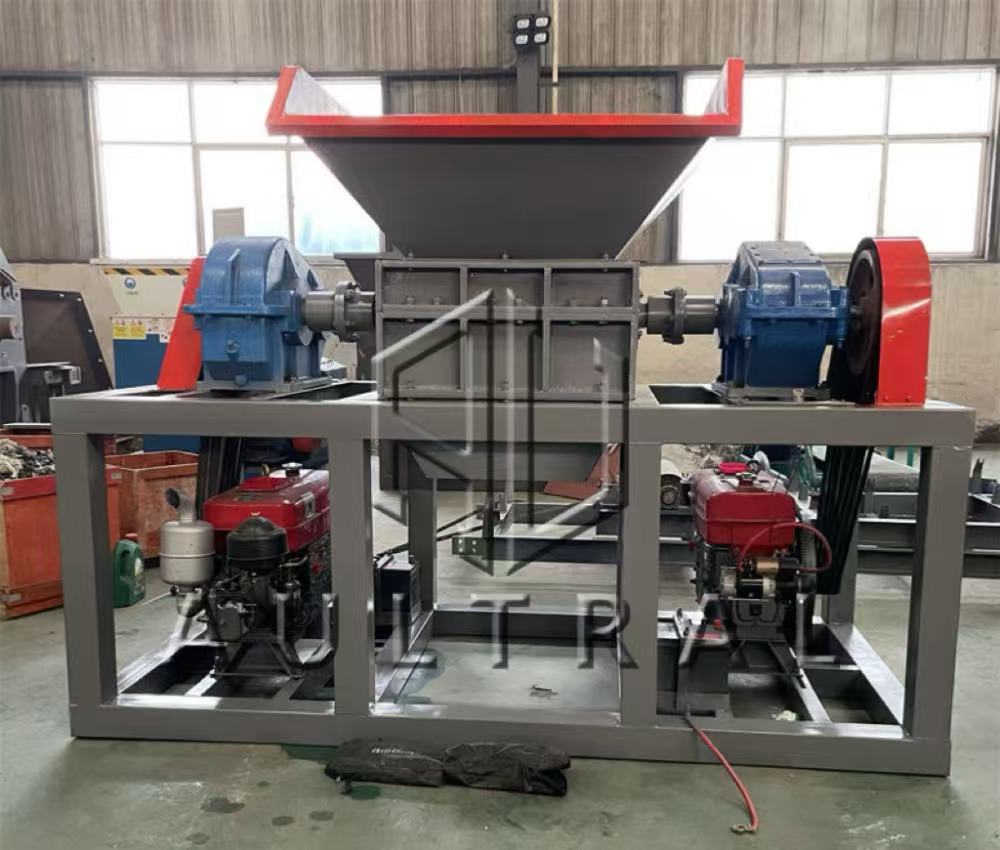
A metal shredder is a machine designed to crush, tear, and break down metal materials into smaller, manageable pieces. It uses a set of rotating blades, powerful motors, and robust gears to process all kinds of metal waste, including:
-
Steel scraps
-
Aluminum profiles
-
Car body shells
-
Metal drums
-
Copper and aluminum wires
-
Construction steel
-
Household metal waste
-
Cans, radiators, and more
By reducing the size of scrap metal, a shredder makes transportation easier, improves smelting efficiency, and increases the overall recycling value of your scrap.
Why Do You Need A Metal Shredder?
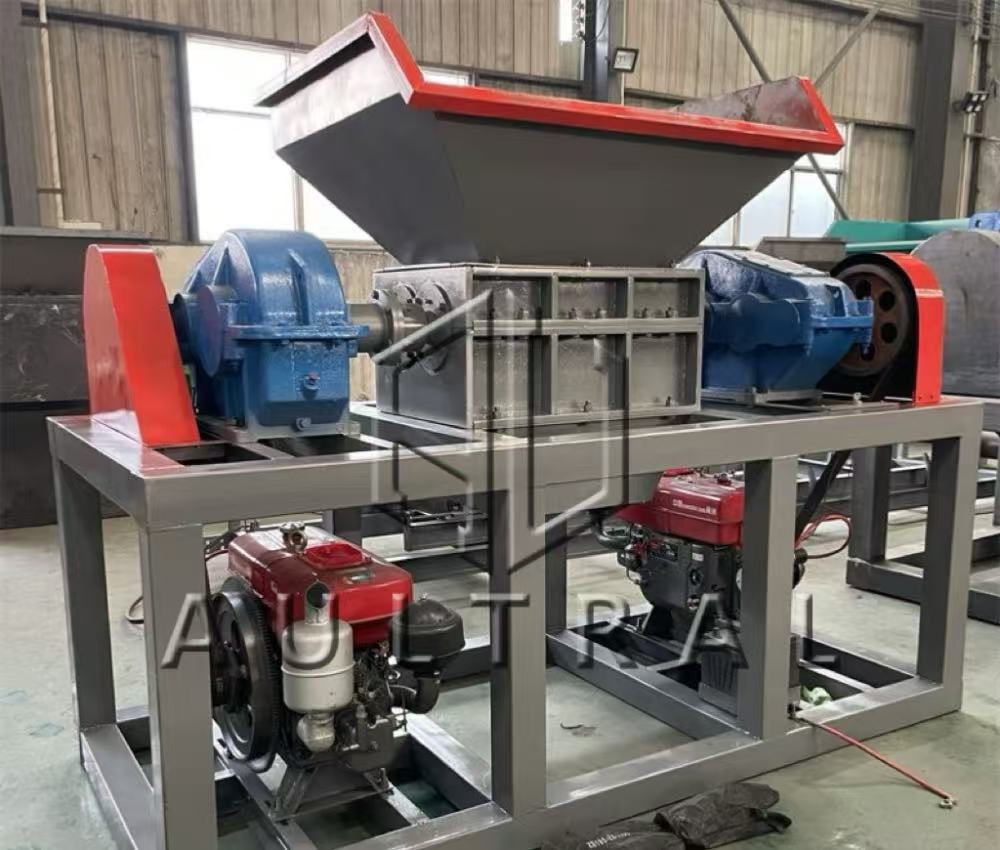
Investing in a metal shredder brings several important benefits to your recycling or production operations. Here are the top reasons:
1. Improve Recycling Efficiency
Shredded metal is easier to sort, melt, and reuse. Steel mills and aluminum plants prefer uniform shredded material because it reduces energy consumption during smelting.
2. Reduce Transportation And Storage Costs
Loose metals take up a lot of space. After shredding, the material volume is greatly reduced, allowing you to transport more in one shipment and save warehousing space.
3. Increase Scrap Value
Clean, evenly shredded metal usually sells for a higher price. Buyers prefer materials that are ready for furnace feeding.
4. Boost Working Safety
Shredding helps remove sharp, irregular, and bulky pieces from the workplace. This decreases the risk of injuries and makes operations more standardized.
5. Enhance Automation And Productivity
With a fully automatic metal shredder, you can run the machine continuously with minimal labor, pushing your production capacity to a new level.
How Does A Metal Shredder Work?
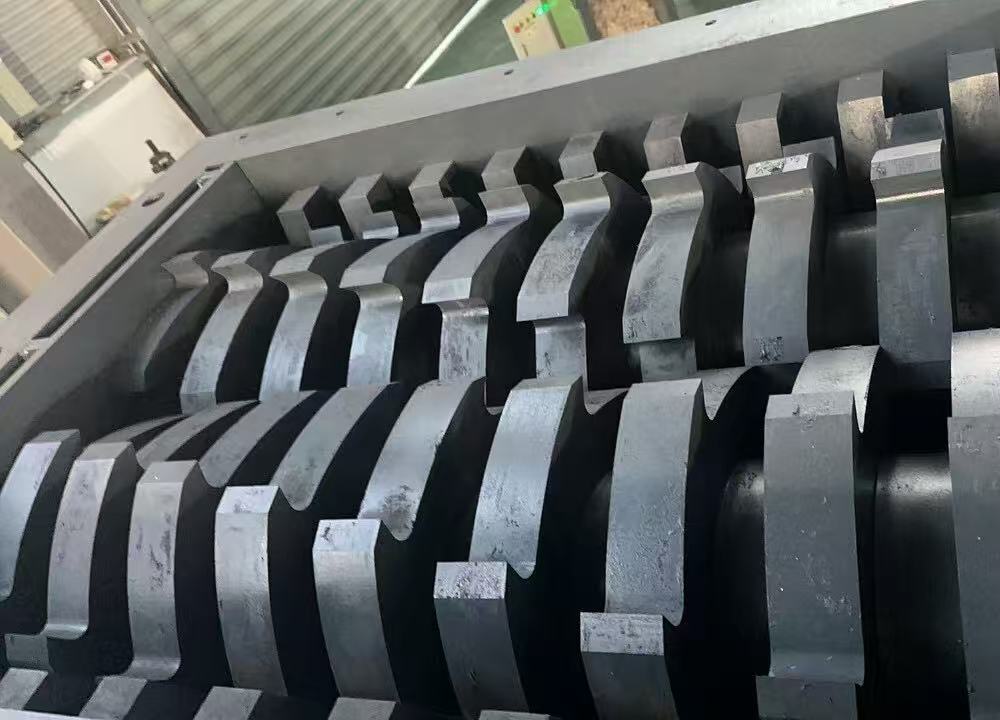
Although different models exist—single-shaft, double-shaft, and four-shaft—the basic working principle is similar:
1. Feeding
Metal is loaded into the hopper through a conveyor, forklift, grabber, or manually depending on your setup.
2. Cutting And Tearing
Inside the chamber, the blades rotate and bite into the metal, tearing it into smaller pieces.
-
Single-shaft models use a hydraulic pusher to press materials against the rotor.
-
Double-shaft models shred by shearing and tearing.
-
Four-shaft models provide finer and more uniform output.
3. Output Discharge
Shredded metal falls through the screen or automatically drops onto a conveyor belt.
4. Magnetic Or Manual Separation
Iron and non-ferrous metals can be separated using a magnetic system or manual sorting to improve recycling efficiency.
How To Use A Metal Shredder Safely
A metal shredder is a powerful industrial machine. Correct operation ensures long service life and stable output.
1. Check The Machine Before Operation
-
Make sure all bolts are tight
-
Confirm blades are sharp and not damaged
-
Inspect electrical connections
-
Ensure safety doors and emergency stops work
2. Feed Materials Evenly
Do not overload. Keep feeding stable to avoid jamming.
3. Avoid Forbidden Materials
No stones, high-hardness alloys, explosives, or excessively thick metals outside the rated capacity.
4. Monitor The Current And Noise
If current suddenly increases or unusual noise appears, stop the machine and check immediately.
5. Perform Daily Maintenance
-
Lubricate bearings
-
Clean the chamber
-
Remove stuck materials
-
Replace worn blades
-
Check oil levels in motors and gearboxes
Types Of Metal Shredders
Choosing the right shredder depends on your material and capacity. Here are the main types:
Single-Shaft Metal Shredder
-
Best for soft metals, aluminum profiles, light steel
-
Has an internal hydraulic pusher
-
Uniform output size
-
Ideal for continuous production
Double-Shaft Metal Shredder
-
Most popular type
-
Strong torque
-
Can handle car shells, thick steel, scrap metals, drums
-
Low-speed, high-torque design ensures stable operation
Four-Shaft Metal Shredder
-
Produces smaller, consistent particles
-
Suitable for precision recycling lines
-
Higher cost, but excellent output control
How To Choose The Right Metal Shredder Model
Buying a shredder is not just about the price—it’s about choosing the right equipment that matches your long-term production needs. Below is a practical selection guide.
1. Know Your Material
Different metals require different torque and blade thickness.
-
Light metals: aluminum, cans → single-shaft or small double-shaft
-
Medium hardness: mixed metal scrap → double-shaft
-
Heavy materials: car shells, steel plates → high-power double-shaft or four-shaft
2. Identify Capacity Requirements
How many tons per hour do you want to process?
Common capacities:
-
1–3 tons/hour (light industrial use)
-
5–10 tons/hour (scrapyards, recycling plants)
-
15–30 tons/hour (heavy-duty recycling)
More capacity means larger motors, stronger gearboxes, and higher investment.
3. Choose Blade Material And Thickness
Blade quality determines shredding performance:
-
40Cr → for light metals
-
D2 / SKD11 → heavy metal shredding, long life
-
Thickness: from 20 mm to 80 mm depending on material type
4. Check Motor And Reducer Quality
Stable power is essential for long service life.
Premium brands provide higher efficiency and less heat.
5. Consider Automation Level
Options include:
-
Conveyor feeding
-
Magnetic separator
-
Output conveyor
-
PLC control system
-
Touch panel
-
Remote monitoring
Automation saves labor and improves safety.
6. Evaluate After-Sales Support
A metal shredder is a long-term machine. You should choose suppliers with:
-
Strong technical team
-
24/7 support
-
Spare parts availability
-
Clear installation guidance
7. Compare Price Vs. Performance
Low price is not always good. Consider:
-
Blade life
-
Power consumption
-
Warranty
-
Structural strength
-
Output size consistency
A machine with higher quality and lower maintenance costs is more economical in the long run.
Applications Of Metal Shredders In Different Industries
Metal shredders are widely used in:
Steel Recycling Plants
Shred steel scrap for furnace feeding.
Automotive Dismantling Centers
Process car shells, bumpers, and engine parts.
Manufacturing Factories
Recycle leftover metal pieces and defective products.
Waste Management Plants
Handle mixed metal waste from households and industries.
Aluminum And Copper Plants
Prepare materials for smelting and separation.
Why Choosing A Reliable Metal Shredder Manufacturer Matters
A metal shredder is not a small purchase. A reliable supplier ensures:
-
Stable performance
-
Accurate capacity output
-
Long blade life
-
Customized solutions
-
Quick support when needed
Cheap machines break down faster, consume more electricity, and cost more in maintenance.
Conclusion: A Metal Shredder Is A Must-Have For Modern Recycling
A metal shredder is essential for any business that deals with scrap and metal waste. It improves recycling efficiency, reduces costs, increases scrap value, and creates a safer working environment. Whether you process 1 ton or 30 tons per hour, choosing the right shredder will directly affect your production results and long-term profits.
If you need help selecting the right model, I can also create a buyer’s guide based on your material, capacity, budget, and voltage.