
In modern manufacturing and logistics, fully automatic horizontal strapping machines play a critical role in packaging and securing products efficiently. These machines automate the strapping process, which is essential for businesses handling high-volume or heavy-duty packages. This guide will explain what these machines are, why they are necessary, how they operate, and provide tips for selecting the right model for your production needs.
What Is A Fully Automatic Horizontal Strapping Machine?
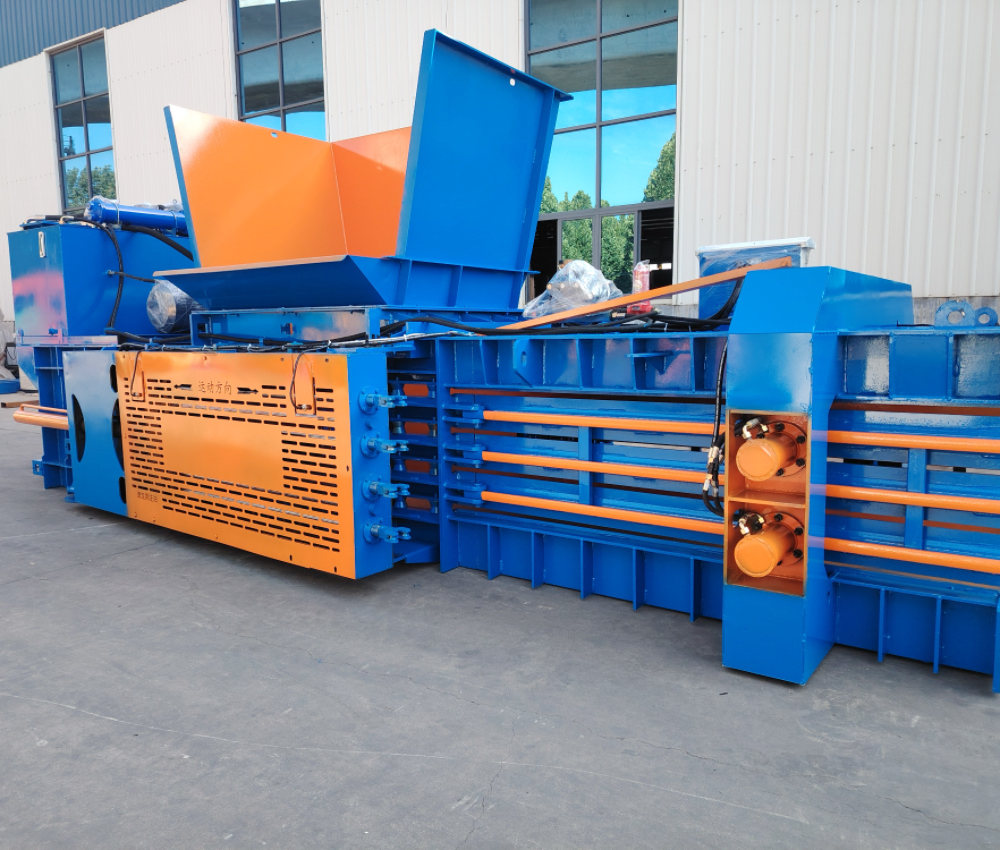
A Fully Automatic Horizontal Strapping Machine is a packaging solution designed to apply straps around products or bundles automatically in a horizontal position. It is primarily used for securing large or heavy items such as pallets, bundles, or boxes in industries like logistics, warehousing, and manufacturing.
The machine feeds a strap around the product, adjusts the tension, seals it, and cuts the excess strap—all without human intervention. By automating this process, it reduces labor costs, increases operational efficiency, and ensures consistency in packaging.
Why Are Fully Automatic Horizontal Strapping Machines Important?

The need for efficient packaging is critical in today’s fast-paced industrial environment. A fully automatic horizontal strapping machine offers the following benefits:
1. Increased Productivity
Fully automatic strapping machines operate faster than manual methods, allowing businesses to process a higher volume of packages in a shorter amount of time. This increased throughput is essential in meeting customer demands and shipping deadlines.
2. Consistent Results
The automation ensures each package is strapped with the same tension and seal quality, eliminating inconsistencies that can occur with manual labor. This leads to fewer product damages during transport.
3. Cost Reduction
Automating the strapping process reduces the need for manual labor, which can be costly. This allows businesses to allocate resources more efficiently, improving the overall cost-effectiveness of the packaging process.
4. Improved Safety
Manual strapping can involve repetitive physical tasks that lead to strain and injury. Automated systems remove these risks, contributing to a safer working environment.
5. Space Efficiency
Modern strapping machines are designed to be compact and easily integrated into existing production lines, saving space and enhancing workflow efficiency.
How Does A Fully Automatic Horizontal Strapping Machine Work?
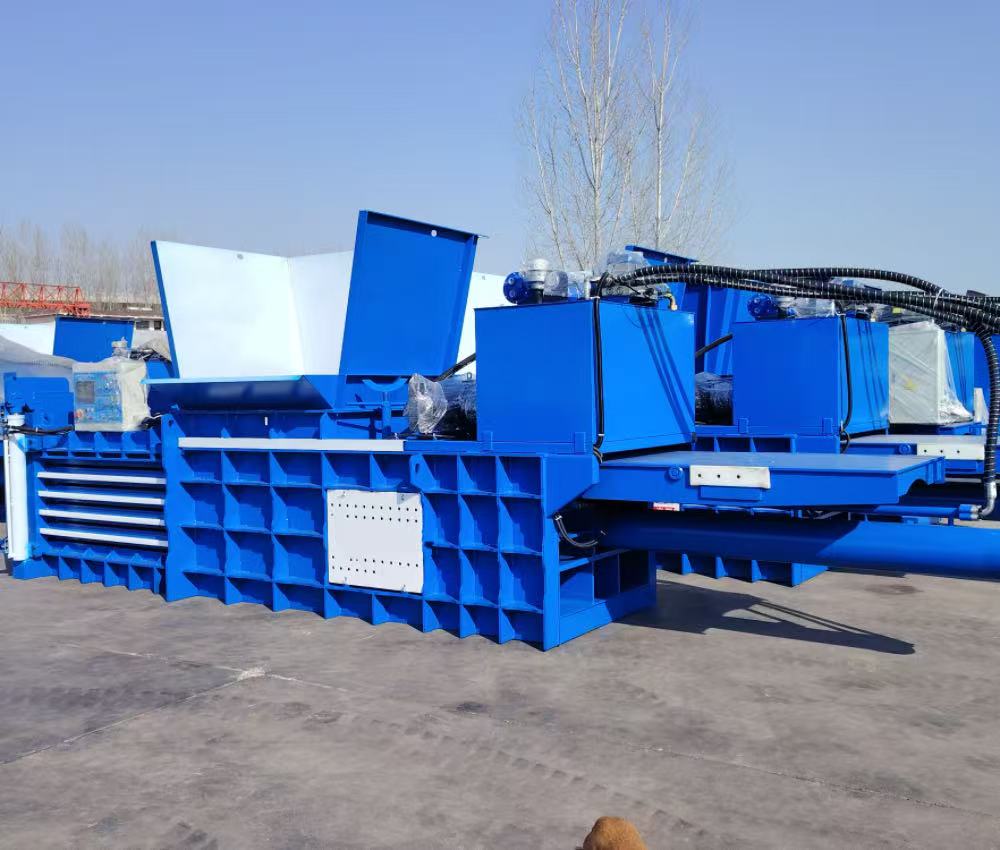
The operation of a fully automatic horizontal strapping machine involves several steps that are automated for efficiency and precision:
1. Feeding the Strap
The machine pulls the strapping material from a coil and feeds it through the machine. The feed mechanism ensures the strap is in the correct position for wrapping around the product.
2. Positioning the Strap
Once the strap is fed through, the machine automatically positions it around the package. This process is automated to ensure precision with every cycle.
3. Tightening the Strap
The machine then tightens the strap around the product to the desired tension. The adjustable tension setting ensures that the strap is neither too tight nor too loose, providing the optimal hold.
4. Sealing the Strap
After the strap is tightened, the machine seals it in place using either heat or friction welding, depending on the type of strap material. This creates a secure and durable bond that holds the package together.
5. Cutting the Strap
The excess strap is then automatically cut by the machine, leaving a clean and neat finish around the product.
6. Repetition of the Process
Once one cycle is complete, the machine is ready for the next item. This seamless process ensures continuous packaging without human intervention.
How To Use A Fully Automatic Horizontal Strapping Machine?
Operating a fully automatic horizontal strapping machine is simple and follows these standard steps:
1. Set Up the Machine
Load the strap coil into the machine and adjust the tension and strap length according to your product specifications. Make sure the machine is properly calibrated before starting the process.
2. Position the Products
Place the products on the conveyor or machine tray. Ensure that they are aligned properly for the strapping cycle to begin.
3. Start the Machine
Activate the machine to initiate the automatic strapping process. The machine will handle the feeding, tightening, sealing, and cutting of the strap.
4. Monitor the Operation
Although the machine is fully automated, it is important to monitor its operation periodically to ensure that everything is functioning correctly.
5. Regular Maintenance
Ensure that the machine is regularly cleaned and maintained to keep it in optimal working condition. Regular inspections of the feeding system, sealing components, and cutting mechanisms will extend the machine’s life and prevent malfunctions.
How To Choose the Right Fully Automatic Horizontal Strapping Machine?
Selecting the right fully automatic horizontal strapping machine requires careful consideration of several factors to ensure it aligns with your specific production needs:
1. Strap Material Compatibility
Ensure that the machine supports the type of strapping material you will be using. This can include polypropylene (PP), polyester (PET), or steel straps. Different materials require different sealing technologies.
2. Strapping Speed
Consider the speed at which the machine operates. High-speed models are necessary for high-volume environments, while lower-speed models might suffice for smaller operations. Choose one that matches your production demands.
3. Adjustable Tension Control
A machine with adjustable tension settings is crucial for dealing with different package sizes and weights. This ensures that each package is securely strapped without damaging the contents.
4. Machine Durability
The machine’s construction and material quality should be evaluated to ensure it can handle the specific demands of your business. Look for a machine that can withstand continuous use in harsh environments.
5. Automation Features
Some models come with additional automation features, such as automatic product size detection, which adjusts the machine settings without manual intervention. This improves efficiency and reduces human error.
6. Space Requirements
Ensure that the machine fits within the available space in your facility. A compact, space-saving design is ideal for companies with limited floor space.
7. Support and Service
Choose a manufacturer that offers good customer service and readily available spare parts. A solid warranty and reliable after-sales support are also important to keep the machine functioning smoothly.
Conclusion: The Value of a Fully Automatic Horizontal Strapping Machine
Investing in a fully automatic horizontal strapping machine offers significant advantages, including faster packaging, consistent quality, reduced labor costs, and improved safety. These machines are designed to streamline packaging operations, increase throughput, and reduce manual errors.
By selecting the right model based on your production needs, you can enhance your operational efficiency and ensure your packages are securely strapped for transport or storage. In today’s competitive environment, having an automated solution for strapping can help your business stay ahead in terms of productivity and cost-efficiency.