
Introduction to Metal Shredder Machines
In the modern world of recycling, the metal shredder machine stands as a crucial piece of equipment. These powerful machines are designed to break down large metal pieces into smaller, more manageable parts, making the recycling process more efficient. Metal shredders are widely used in industries such as automotive, manufacturing, construction, and scrap recycling. By reducing bulky metal scrap into smaller sizes, they help recover valuable materials and save on transportation and storage costs.
This blog will explore what metal shredder machines are, why they are important, how to use them, and offer guidelines on choosing the right model. Whether you’re an industry professional or someone looking to learn more about these machines, this guide will provide the essential knowledge to make informed decisions.
What Is a Metal Shredder Machine?
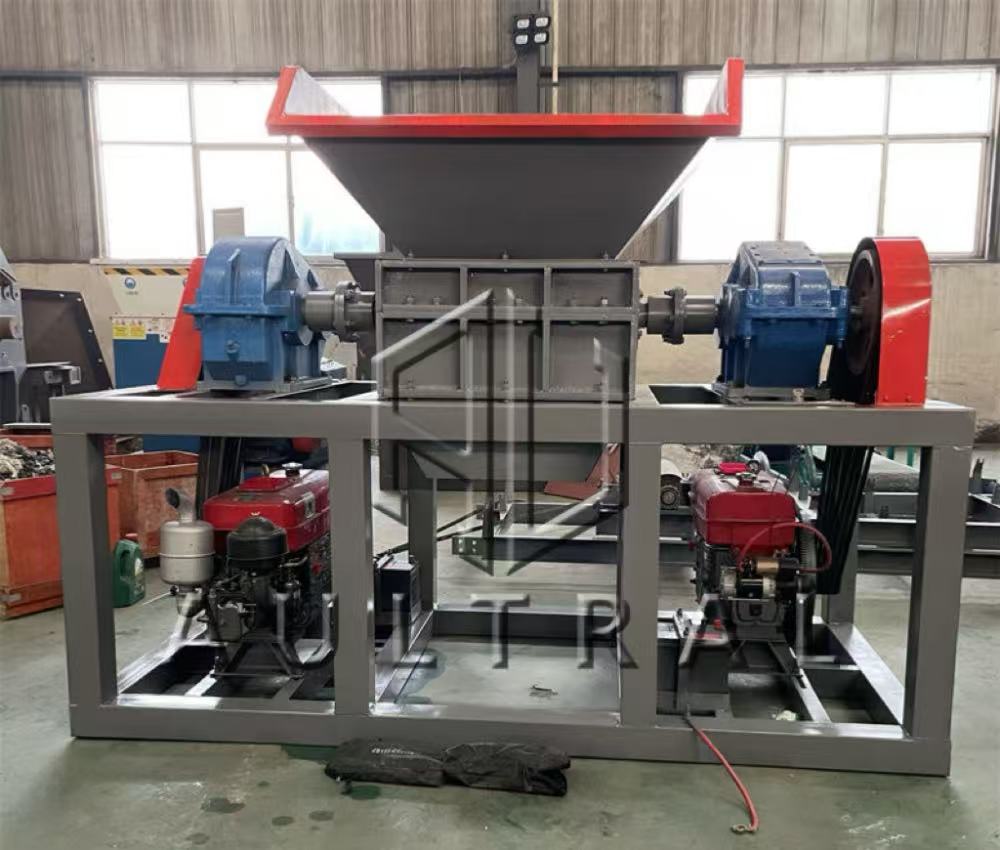
A metal shredder machine is a heavy-duty machine designed to break down various types of metals into smaller, uniform pieces. It operates by using high-torque motors, sharp blades, and powerful hydraulic systems to shred or tear apart metal scrap, including aluminum, steel, copper, and more.
The shredded metal pieces are smaller and easier to handle, making them ideal for further processing, whether for recycling or repurposing into new products. Some of the most common forms of metal scrap shredded include discarded cars, household appliances, industrial equipment, and even old construction materials.
There are different types of metal shredders, each suited to specific applications. Some are designed for lightweight metals like aluminum, while others are more robust and can shred heavy-duty materials like steel.
Why Metal Shredder Machines Are Important?
-
Environmental Benefits:
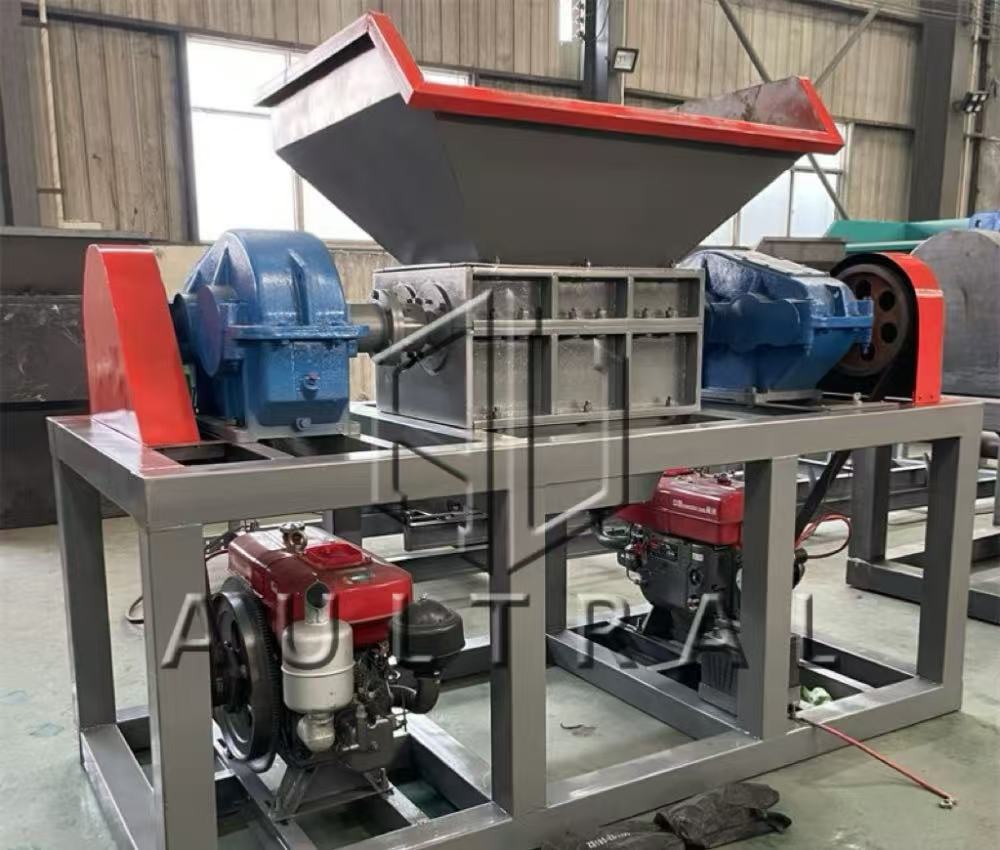
Metal shredding plays a vital role in sustainable recycling. By breaking down scrap metal, the machine makes it easier to recover and reuse materials, reducing the need for raw resources. This process helps conserve natural resources and lowers the environmental impact associated with mining and material extraction. -
Cost-Effective:
Shredding metal scrap can help industries save money. Instead of paying for the disposal of scrap or transporting bulky materials, shredded metal is easier to manage, sort, and sell to recycling companies. Furthermore, the metal’s compact form reduces storage space, saving valuable warehouse real estate. -
Enhances Safety:
Large, unwieldy metal pieces can pose risks during storage and transportation. Shredding metals into smaller pieces reduces sharp edges and makes the material safer to handle. Shredders also reduce the risk of injuries associated with manual cutting and sorting of metal scrap. -
Boosts Efficiency in Recycling:
By turning metal into smaller sizes, the shredding process accelerates the overall recycling timeline. Smaller pieces can be more easily sorted by type or grade, making it simpler to extract valuable metals like copper, aluminum, or steel.
How to Use a Metal Shredder Machine?
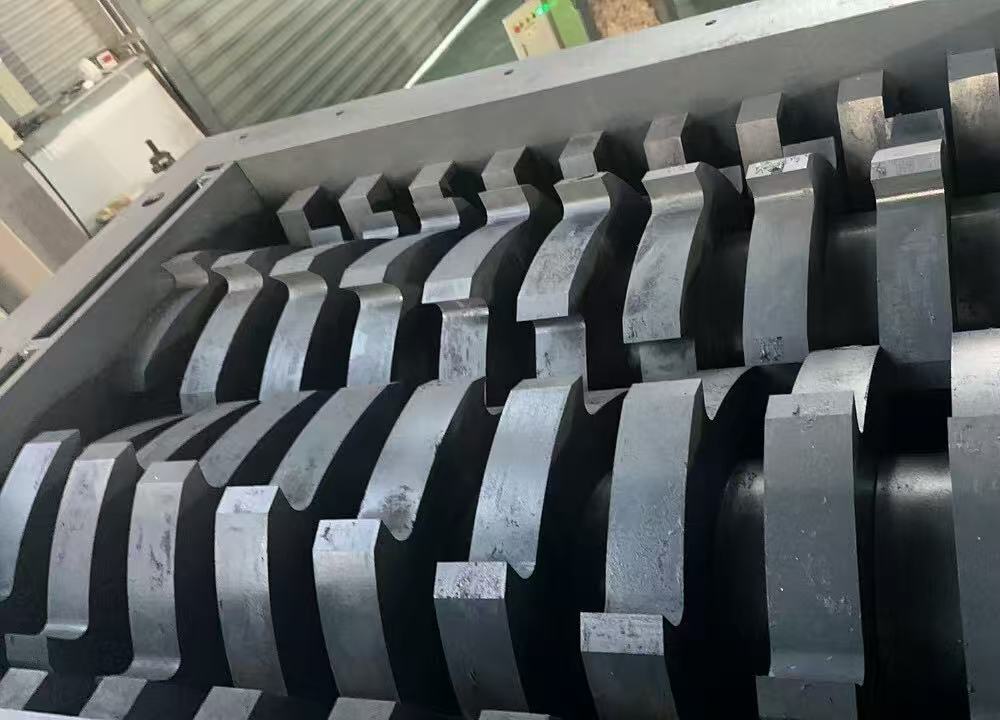
Using a metal shredder machine may seem complex, but with proper training and safety measures, it becomes a straightforward task. Here’s how to use it effectively:
1. Preparation:
-
Inspect the Machine: Before using the shredder, check its condition. Ensure that blades are sharp, the motor is functioning, and safety guards are in place.
-
Choose the Right Material: Different machines handle different metals. Make sure the metal scrap you intend to shred is compatible with the machine’s capabilities.
-
Wear Protective Gear: Always wear safety goggles, gloves, and hearing protection when operating the machine. The shredding process can be loud and involves sharp moving parts.
2. Loading the Scrap Metal:
-
Feed the Material: The metal is fed into the shredder’s hopper. Depending on the size of the scrap, some machines may require manual assistance to load the material, while others can automatically process larger batches.
-
Avoid Overloading: Overloading the machine can damage its components. Always follow the manufacturer’s recommendations on the maximum load.
3. Operating the Machine:
-
Start the Machine: Once the metal is loaded, start the shredder. Ensure that the material feeds smoothly into the machine and does not get stuck.
-
Monitor the Process: Stay close to the machine during operation to watch for potential problems, such as blockages or overheating.
4. Collection and Post-Processing:
-
Collect the Shredded Material: Once the metal is shredded, it falls into a collection container. The resulting small pieces can be sorted, cleaned, or processed further depending on the end use.
-
Regular Maintenance: To maintain the machine’s efficiency, perform regular cleaning and maintenance checks. Lubricate the moving parts, replace dull blades, and inspect for any wear and tear.
How to Choose the Right Metal Shredder?
Choosing the right metal shredder depends on several factors, including the type of material you plan to shred, the size of the operation, and the shredder’s specific features. Here’s a guide to help you select the best model:
1. Consider the Type of Metal:
Different metal shredders are designed for different types of materials:
-
Light Duty Shredders: Suitable for soft metals like aluminum and light scrap. These are typically used in recycling small household appliances or automotive parts.
-
Heavy Duty Shredders: Designed for tougher metals like steel and iron. These shredders are used in industries dealing with large quantities of scrap metal, such as automotive manufacturing or industrial recycling.
-
Universal Shredders: These can handle a wide range of materials, including both lightweight and heavy-duty metals. Ideal for businesses with a diverse range of scrap metal to shred.
2. Shredder Capacity:
Shredders come in various capacities, measured by the amount of material they can process in a given time frame. If you’re running a high-volume recycling operation, opt for a machine with higher throughput. For smaller businesses, a more moderate capacity machine might suffice.
3. Shredding Speed:
The speed of shredding is an important consideration. Faster shredders will process more material in less time, but they may be more expensive. Consider your business needs when deciding between speed and cost.
4. Size and Design:
-
Compact Shredders: Ideal for small spaces and operations with lower scrap volume.
-
Industrial Shredders: Large-scale machines are designed for businesses dealing with massive quantities of scrap and requiring high durability.
5. Motor Power:
A more powerful motor allows the shredder to process tougher materials and larger volumes of scrap metal. If your operation deals with thick, hard metals, a machine with higher motor power is essential.
6. Safety Features:
Always look for shredders with built-in safety mechanisms like emergency stops, anti-jamming devices, and protective guards. Your safety should always be a priority.
7. Maintenance and Support:
Choose a shredder from a reputable manufacturer that offers solid after-sales support and easy access to replacement parts. Regular maintenance will extend the life of the shredder and keep it running efficiently.
Conclusion
Metal shredder machines are an essential part of the recycling process, offering both environmental and economic benefits. Whether you’re a small business looking to process scrap metal or a large-scale industrial operation, selecting the right shredder is crucial to maximizing efficiency and minimizing costs. By understanding how these machines work and what features to consider when choosing a model, you can ensure that your recycling operation runs smoothly and profitably.