
What Is A Metal Baler Machine?
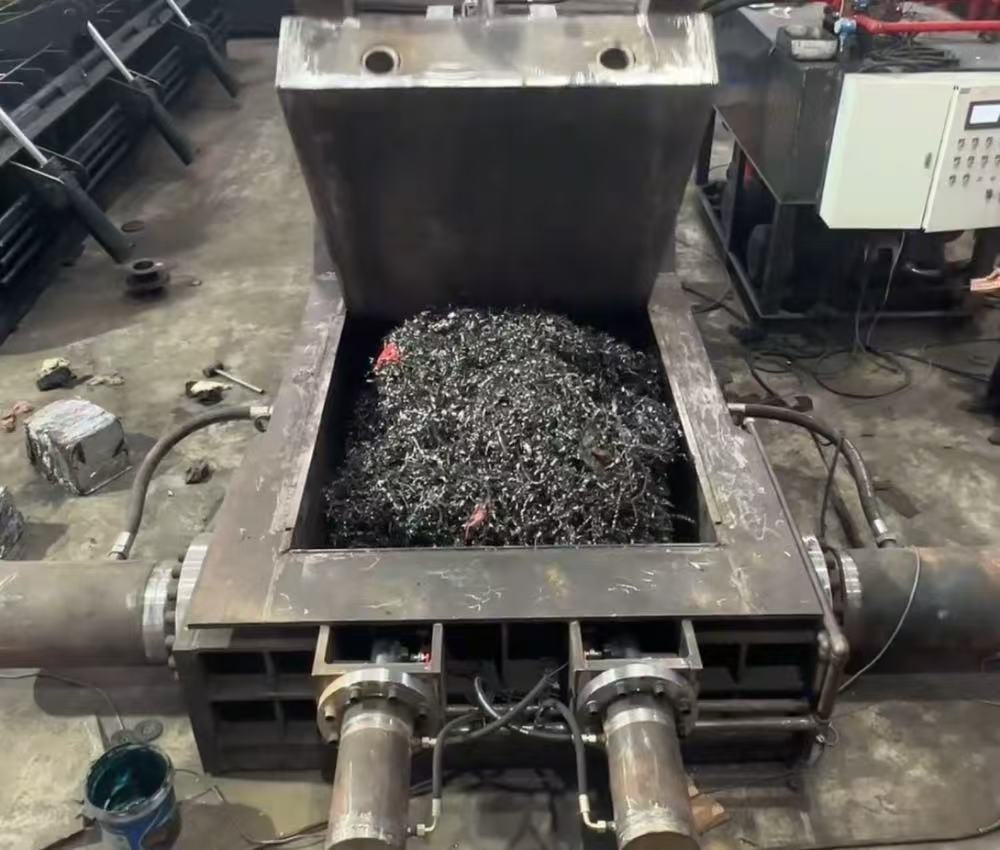
A Metal Baler Machine is an industrial compaction equipment used to compress various metal scraps into high-density, easy-to-transport bales. It applies strong hydraulic pressure to squeeze loose materials—such as aluminum, steel, copper, and mixed metal scraps—into uniform blocks.
Metal balers are commonly used in recycling plants, scrap yards, metal-processing factories, foundries, and waste-management centers. By converting bulky scrap into compact bales, companies significantly reduce storage space and transportation cost while increasing the value of recycled materials.
Why You Need A Metal Baler Machine
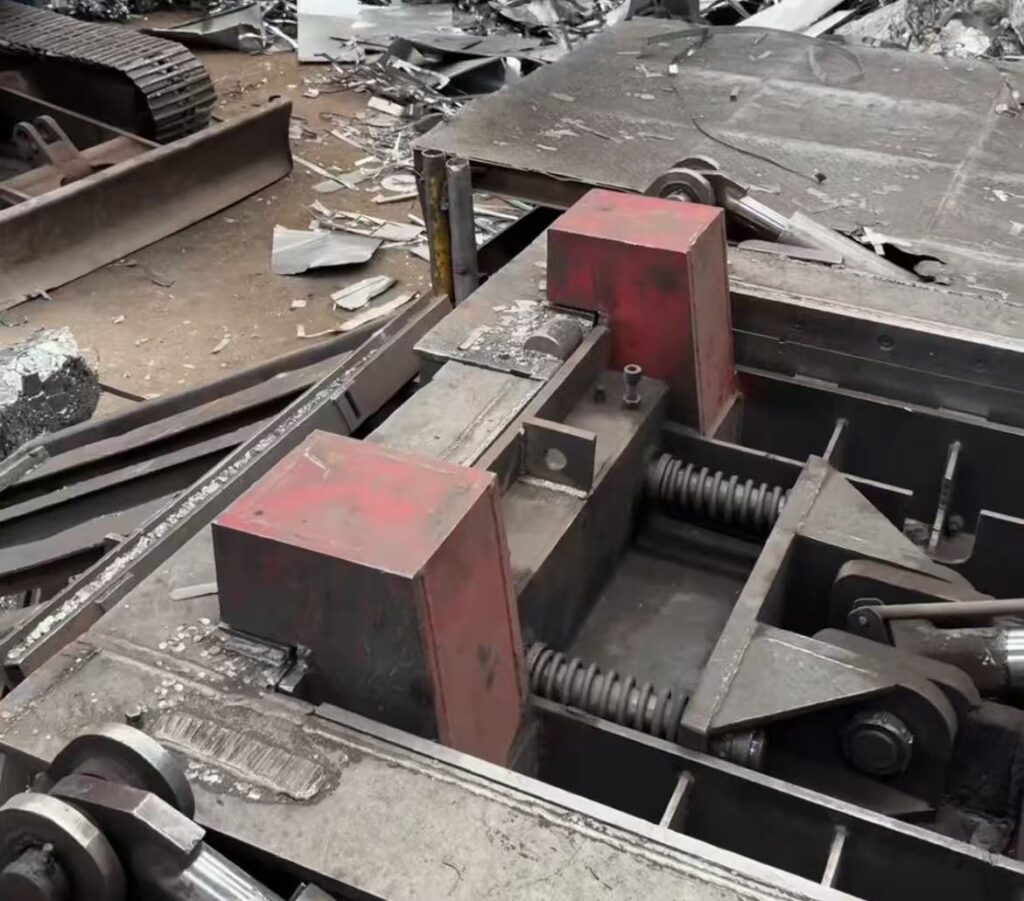
1. Reduce Transportation and Storage Costs
Loose, irregular metal scrap takes up enormous space. After baling, the volume is reduced by up to 70–90%, allowing companies to load more material per truck or container.
2. Increase Scrap Value
High-density bales are more attractive to smelters and buyers because they melt faster and reduce energy loss. A baler can instantly increase the sale value of scrap metal.
3. Improve Workplace Safety
Handling loose metals is risky—sharp edges, unstable piles, and heavy debris can cause accidents. A metal baler organizes everything into compact blocks, creating a safer working environment.
4. Boost Recycling Efficiency
Uniform bales make storage easier, speed up transportation, and optimize smelting efficiency. For recycling companies, this means higher throughput and more stable profitability.
5. Versatile For Different Metal Types
A metal baler can process:
-
Aluminum cans & profiles
-
Steel plates & steel scrap
-
Copper wires & copper scrap
-
Car body shells
-
Metal offcuts
-
Old appliances
Whether soft or hard, thick or thin metal, a proper baler can handle it.
How A Metal Baler Machine Works
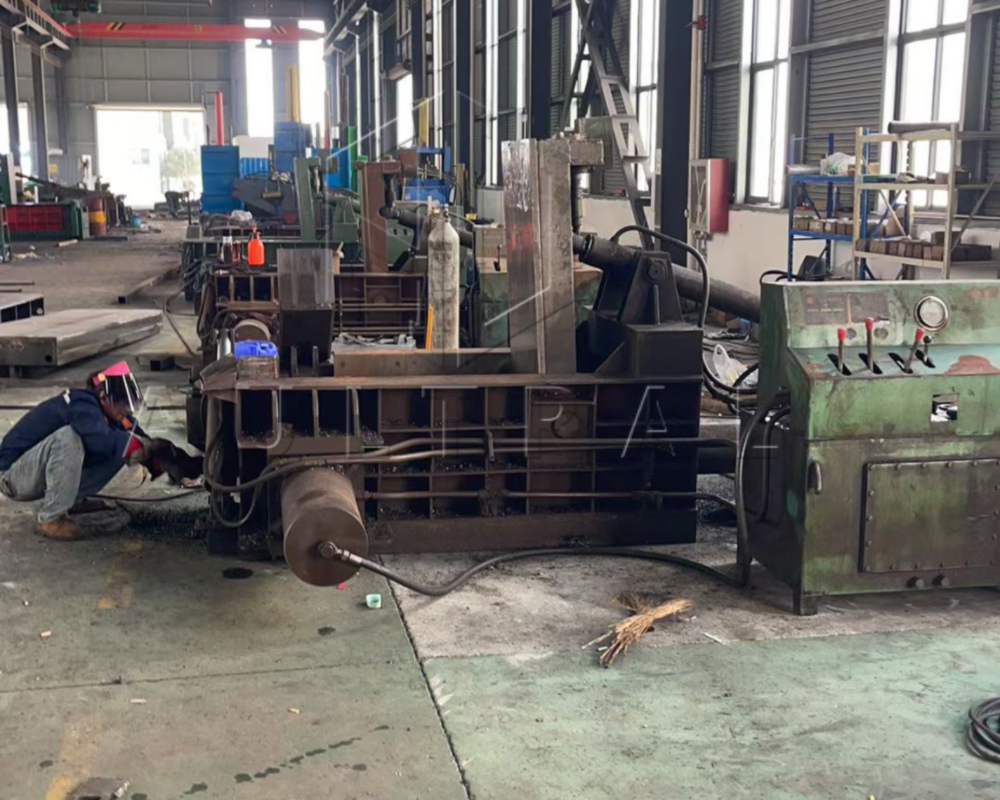
Step 1: Feeding Material
Operators load metal scraps into the hopper or compression chamber. Larger machines support excavator or conveyor feeding.
Step 2: Hydraulic Compression
High-pressure cylinders push the metal from multiple sides—usually main press, side press, and lid press (depending on model).
The machine gradually compacts everything into a dense block.
Step 3: Bale Formation
When the pressure reaches the preset value, the material becomes a fully compressed bale with fixed dimensions.
Step 4: Bale Ejection
Most machines use hydraulic bale ejection (turn-out, forward-out, or push-out).
The bale slides out safely and can be strapped or moved directly to storage.
Step 5: Repeat Cycle
The baler resets automatically and is ready for the next load.
This continuous cycle ensures stable, high-capacity production.
Types Of Metal Baler Machines
1. Horizontal Fully Automatic Metal Baler
-
High automation
-
Continuous feeding
-
Suitable for large recycling plants
-
High output and fast cycle time
Perfect for processing large volumes of metal scrap.
2. Horizontal Semi-Automatic Metal Baler
-
Requires manual feeding
-
Moderate price
-
Good for medium-sized facilities
Ideal for metal recycling companies seeking high efficiency with lower investment.
3. Vertical Metal Baler
-
Compact size
-
Lower cost
-
Suitable for small workshops, warehouses, and light metal recycling
Best for clients with limited space or lower daily output.
4. Heavy-Duty Scrap Metal Baler (Three-Side Compression)
-
Strong pressure (100–500 tons)
-
Suitable for steel, heavy scrap, car body, and thick materials
-
Produces dense, export-grade bales
Common in scrap yards and steel recycling factories.
How To Choose The Right Metal Baler Machine
Choosing the best baler depends on your materials, output needs, and budget. Below is a simple but practical guide.
1. Identify Your Material Type
Ask yourself:
-
Is the material light (aluminum cans, thin steel)?
-
Or heavy (thick steel plates, long rebar, car parts)?
-
Is it loose or bundled?
Heavy-duty materials require stronger tonnage (200–500 tons).
2. Determine Daily Output Capacity
Different machines have different productivity levels:
-
Small vertical balers: low output
-
Semi-automatic balers: medium output
-
Fully automatic balers: high output (more than 20 tons/day)
Higher output requires larger motors, more robust cylinders, and faster cycle times.
3. Choose Bale Size Based on Logistics
Think about:
-
Container loading size
-
Truck capacity
-
Buyer requirements
Custom bale sizes can optimize your storage and shipping cost.
4. Consider Automation Level
-
Manual feeding: lower cost
-
Semi-automatic: balanced choice
-
Fully automatic: best for high-volume operation
Automation reduces labor costs and stabilizes production.
5. Check Machine Structure & Components
A high-quality baler should have:
-
Thick steel plates
-
Reinforced frame
-
Reliable hydraulic valves
-
High-quality pumps & motors
-
Wear-resistant liners
These affect lifespan and maintenance frequency.
6. After-Sales Service & Spare Parts
A good manufacturer must provide:
-
Installation guidance
-
Operating training
-
Spare parts support
-
Fast technical assistance
This ensures long-term, stable production.
How To Use A Metal Baler Machine Safely
1. Inspect Before Starting
Check:
-
Hydraulic oil level
-
Hose condition
-
Blade and chamber cleanliness
2. Feed Materials Correctly
Avoid:
-
Overfeeding
-
Inserting oversized pieces
-
Allowing hands or tools inside the chamber
3. Monitor Pressure Levels
If pressure rises abnormally, stop immediately and inspect.
4. Keep Area Clean
Loose debris around the machine may cause accidents.
5. Train All Operators
Untrained workers should never operate hydraulic equipment.
Final Thoughts
A Metal Baler Machine is an essential tool for recycling facilities, scrap yards, and metal-processing centers. It reduces volume, boosts profit, improves safety, and streamlines overall recycling operations.
Whether your goal is to handle lightweight aluminum or heavy steel scrap, choosing the right baler will significantly improve productivity and operational efficiency.