
Introduction To Used Metal Balers
Used metal balers are industrial machines designed to compress scrap metal into dense, manageable bales. These machines are widely used in recycling facilities, scrap yards, and metal processing plants. Investing in a used metal baler can save businesses significant capital while maintaining efficient operations. In this guide, we will explore what used metal balers are, why they are important, how to use them safely, and tips on selecting the right model.
What Is A Used Metal Baler?
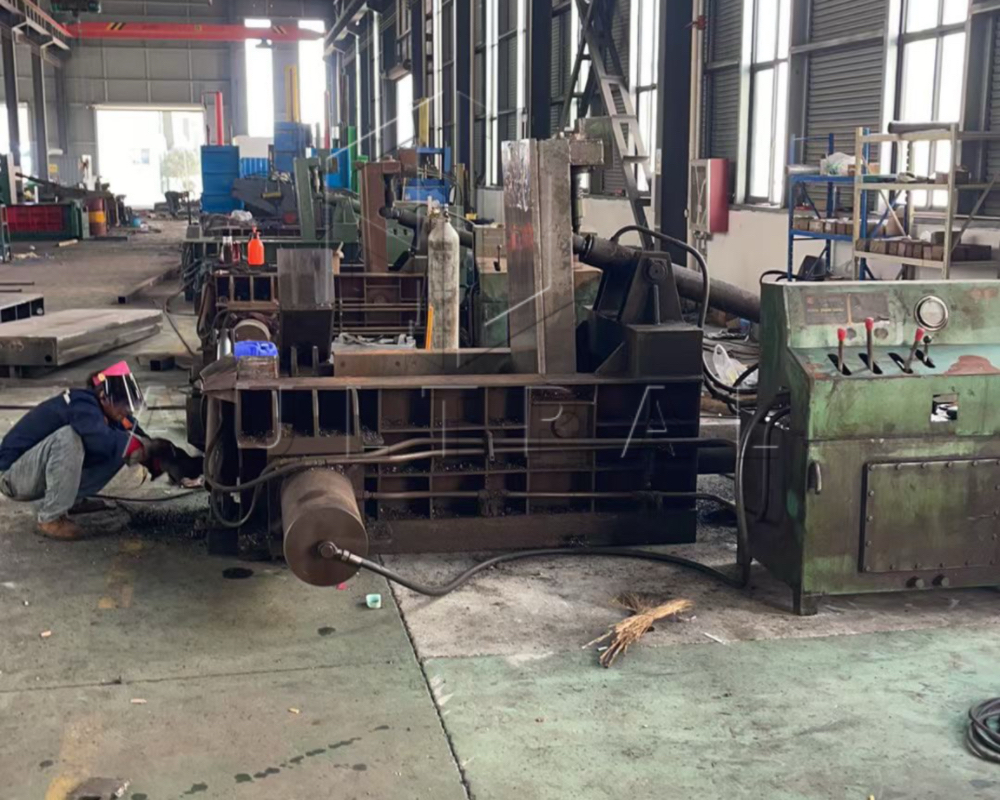
A used metal baler is a pre-owned machine that compresses various types of metal scrap into compact blocks or bales. These bales are easier to store, transport, and sell to recycling companies. Metal balers can handle materials such as steel, aluminum, copper, brass, and other non-ferrous metals.
The main components of a metal baler include:
-
Hydraulic Press System: Provides the power to compress metal into dense bales.
-
Feeding Chamber: Where scrap metal is loaded before compression.
-
Control Panel: Allows operators to manage the baling process.
-
Bale Ejector: Pushes finished bales out for storage or transport.
Used metal balers offer the same functionality as new machines but come at a fraction of the cost.
Why Choose A Used Metal Baler?
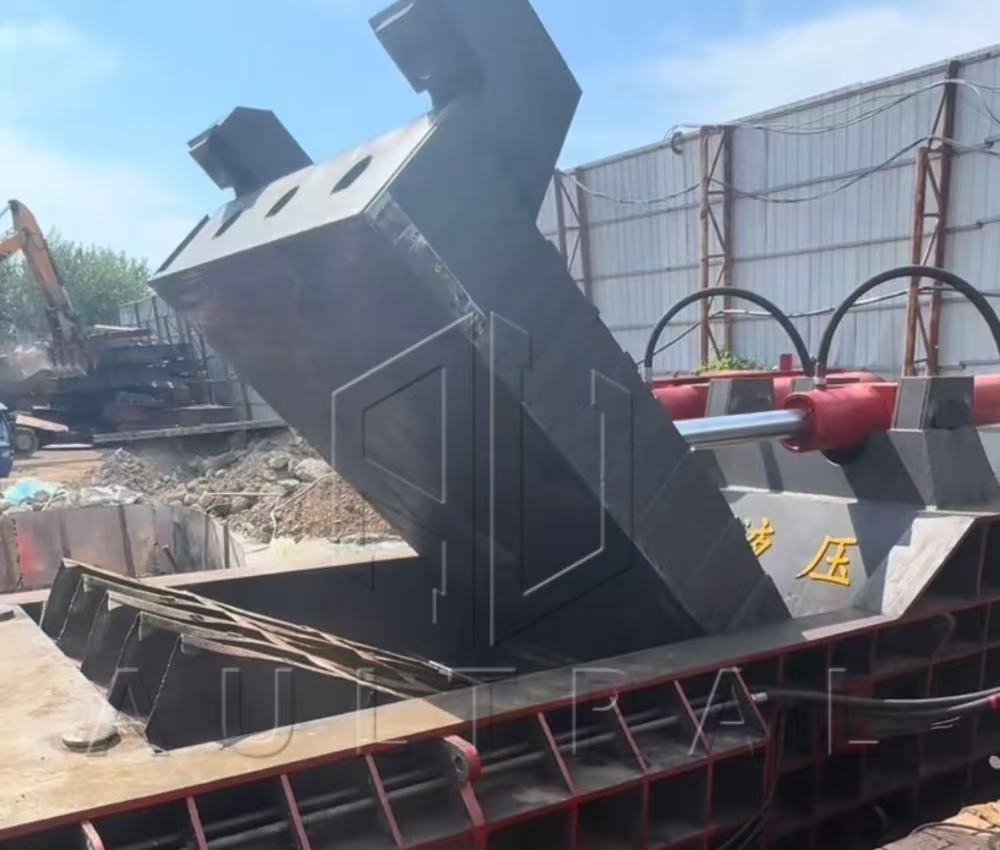
There are several reasons businesses opt for used metal balers:
-
Cost Savings: Used machines are significantly cheaper than new ones, making them ideal for startups or companies with tight budgets.
-
Quick Availability: Unlike new machines that may have long lead times, used balers are often available immediately.
-
Proven Reliability: Many used balers have a history of performance, and reputable sellers often test and refurbish them before sale.
-
Environmentally Friendly: Purchasing a used machine extends its lifecycle and reduces industrial waste.
Choosing a used metal baler is a smart investment for businesses looking to increase efficiency without a large upfront cost.
How To Use A Used Metal Baler
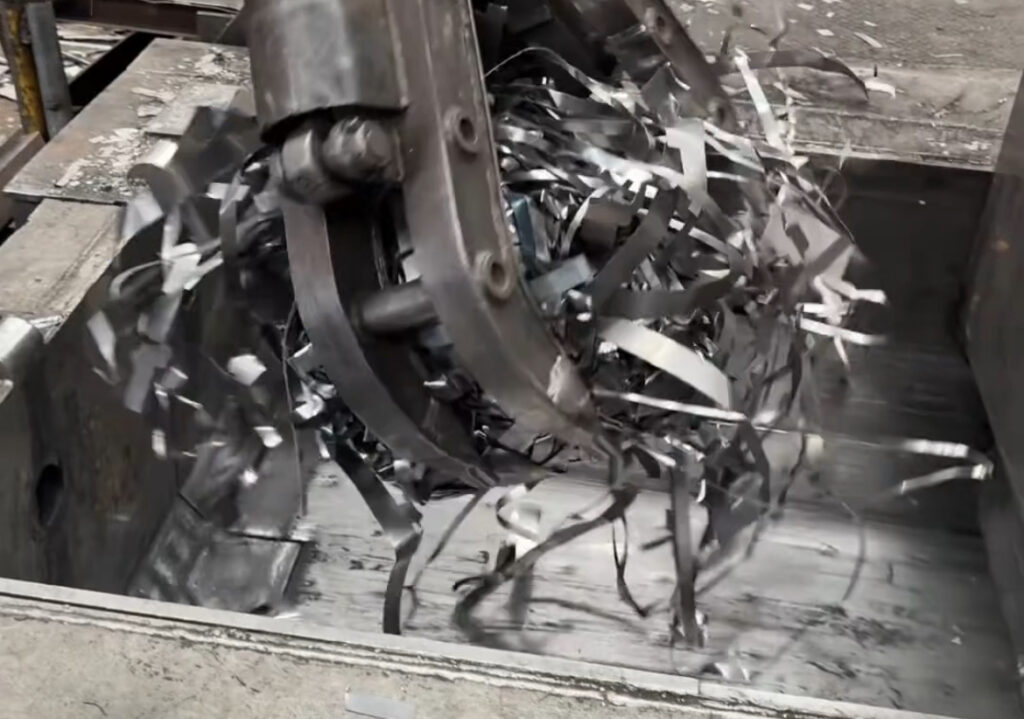
Operating a metal baler requires proper training and safety precautions. Here’s a step-by-step guide to using a typical hydraulic metal baler:
Step 1: Inspect The Machine
Before use, inspect the baler for any damage, hydraulic leaks, or worn-out components. Ensure all safety guards and emergency stops are functional.
Step 2: Prepare The Scrap Metal
Sort scrap metal by type and size. Remove non-metal contaminants, such as plastic or wood, to prevent damage.
Step 3: Load The Metal
Place scrap metal into the feeding chamber. Avoid overloading, as this may strain the hydraulic system.
Step 4: Compress The Metal
Activate the hydraulic system using the control panel. The machine will compress the metal into a dense bale. Monitor the process to ensure smooth operation.
Step 5: Eject The Bale
Once the compression cycle is complete, the bale is ejected from the machine using the bale ejector. Store the finished bales in a designated area.
Step 6: Maintain The Baler
Regular maintenance, such as lubricating moving parts, checking hydraulic fluid levels, and inspecting cylinders, ensures longevity and safe operation.
Tips For Selecting The Right Used Metal Baler
Choosing the right used metal baler depends on your operational needs. Here are key factors to consider:
Material Type
Determine the type of metal you will process. Some balers are designed for ferrous metals like steel, while others are suitable for non-ferrous metals such as aluminum and copper.
Bale Size And Weight
Decide the desired size and weight of the finished bales. Larger balers can produce heavier bales, which may be more cost-effective for storage and shipping.
Machine Capacity
Consider the daily or hourly throughput. Machines with higher tonnage capacity can handle more scrap efficiently.
Power Source
Most balers are hydraulic and require a three-phase power supply. Ensure your facility can provide the necessary voltage and amperage.
Condition And Refurbishment
Check the machine’s condition. Ask about refurbishment history, spare parts availability, and any warranties offered by the seller.
Safety Features
Ensure the baler has functional safety guards, emergency stops, and warning indicators to protect operators during use.
Advantages Of Investing In A Used Metal Baler
Investing in a used metal baler provides multiple benefits:
-
Efficiency: Compresses scrap into dense bales, saving storage space and transportation costs.
-
Profitability: Easier resale of baled metals to recycling companies.
-
Durability: Well-maintained machines can last for many years.
-
Flexibility: Suitable for various types of metal scrap, including steel, aluminum, and copper.
Common Applications Of Used Metal Balers
Used metal balers are not only used in traditional recycling facilities but also have a wide range of industrial applications. They can be found in factories, automotive workshops, construction sites, and shipyards. Any place that generates large amounts of scrap metal can benefit from a baler. Compressing metal reduces the volume of scrap, making it easier to handle, transport, and sell. Additionally, baled metals often fetch a higher price from recycling companies because of their uniform size and density.
Safety Precautions When Using A Used Metal Baler
While used metal balers offer great efficiency, safety should always be a top priority. Operators should receive proper training before using the machine. It is important to wear personal protective equipment (PPE), including gloves, safety goggles, and steel-toed boots. Keep hands and clothing away from moving parts, and never bypass safety guards. Performing routine inspections and maintenance also minimizes the risk of accidents. By following safety guidelines, businesses can ensure a smooth and accident-free operation.
How To Extend The Lifespan Of Your Used Metal Baler
Proper maintenance is key to extending the lifespan of a used metal baler. Regularly check the hydraulic fluid levels, lubricate moving parts, and replace worn components promptly. Cleaning the machine and removing metal shavings from the feeding chamber also prevents damage. Keeping a log of maintenance activities helps operators track the machine’s condition and predict when parts may need replacement. A well-maintained baler can operate efficiently for many years, offering an excellent return on investment.
Final Thoughts
Investing in a used metal baler is a smart choice for businesses seeking cost-effective and efficient scrap metal management solutions. By understanding the machine’s capabilities, using it safely, and maintaining it properly, companies can maximize productivity and profitability. Always consider factors like material type, bale size, capacity, and safety features when choosing a used baler. With the right machine, even a pre-owned baler can deliver performance comparable to a new one, making it a valuable asset for any metal processing operation.
Conclusion
Used metal balers are a cost-effective, efficient, and environmentally friendly solution for recycling and metal processing businesses. By understanding what they are, why they matter, and how to operate them, businesses can make informed decisions and improve their scrap metal handling processes.
When selecting a used metal baler, consider material type, bale size, machine capacity, and safety features to ensure it meets your operational needs. With the right choice, a used metal baler can become a valuable asset, enhancing productivity while reducing costs.