
Introduction To Double Shaft Shredders
Double shaft shredders, also known as twin-shaft shredders, are industrial machines designed to efficiently cut, tear, and crush a wide range of materials into smaller, manageable pieces. Unlike single-shaft shredders, which rely on a single rotating shaft, double shaft shredders use two counter-rotating shafts with sharp blades to achieve higher throughput, superior tearing, and better processing of bulky or tough materials.
These machines are widely used in recycling, waste management, and manufacturing industries. From plastic and rubber to wood and metal scraps, double shaft shredders provide a versatile solution to reduce material size, optimize transportation, and prepare waste for further processing.
What Is A Double Shaft Shredder?
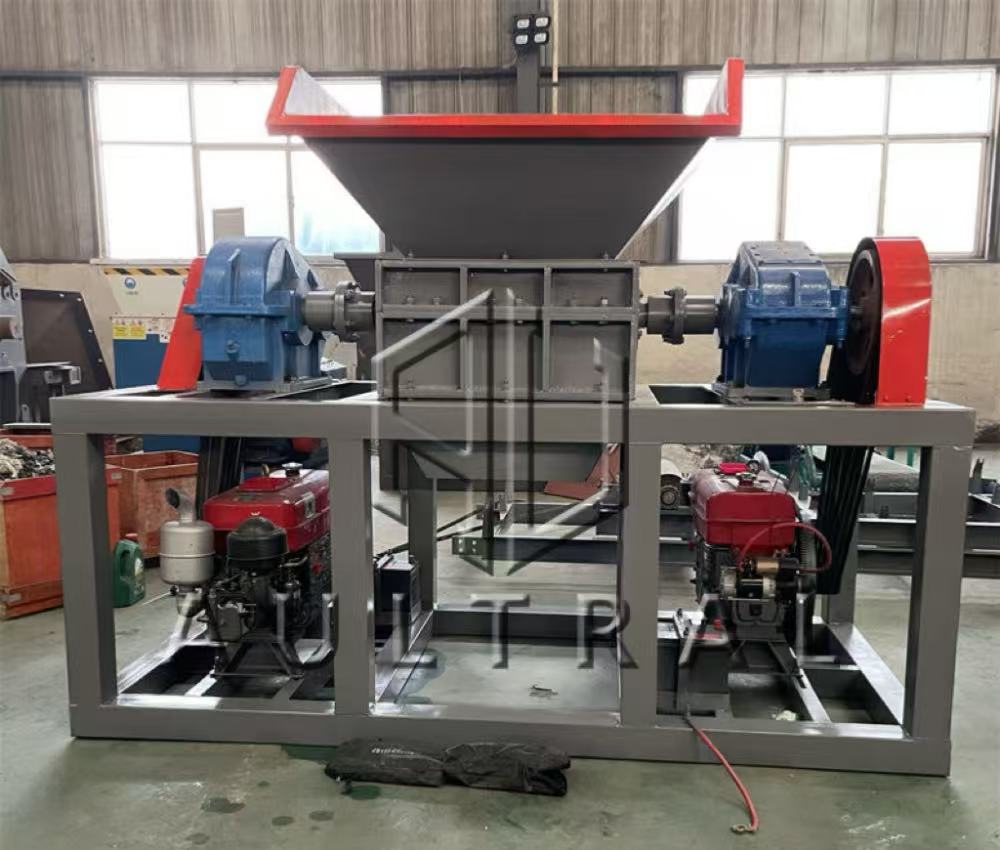
A double shaft shredder is an industrial equipment with two parallel shafts, each equipped with multiple blades or knives. These shafts rotate in opposite directions, pulling materials in and cutting them into smaller pieces.
Key Features Of Double Shaft Shredders:
-
Two Counter-Rotating Shafts – Ensure strong tearing force and consistent output size.
-
High Torque Motor – Enables shredding of heavy-duty materials like tires, metal drums, and wood pallets.
-
Adjustable Blades – Some machines allow changing or reversing blades to maintain cutting efficiency.
-
Versatile Material Handling – Suitable for plastics, metals, paper, wood, rubber, textiles, and more.
Why Double Shaft Shredders Are Important
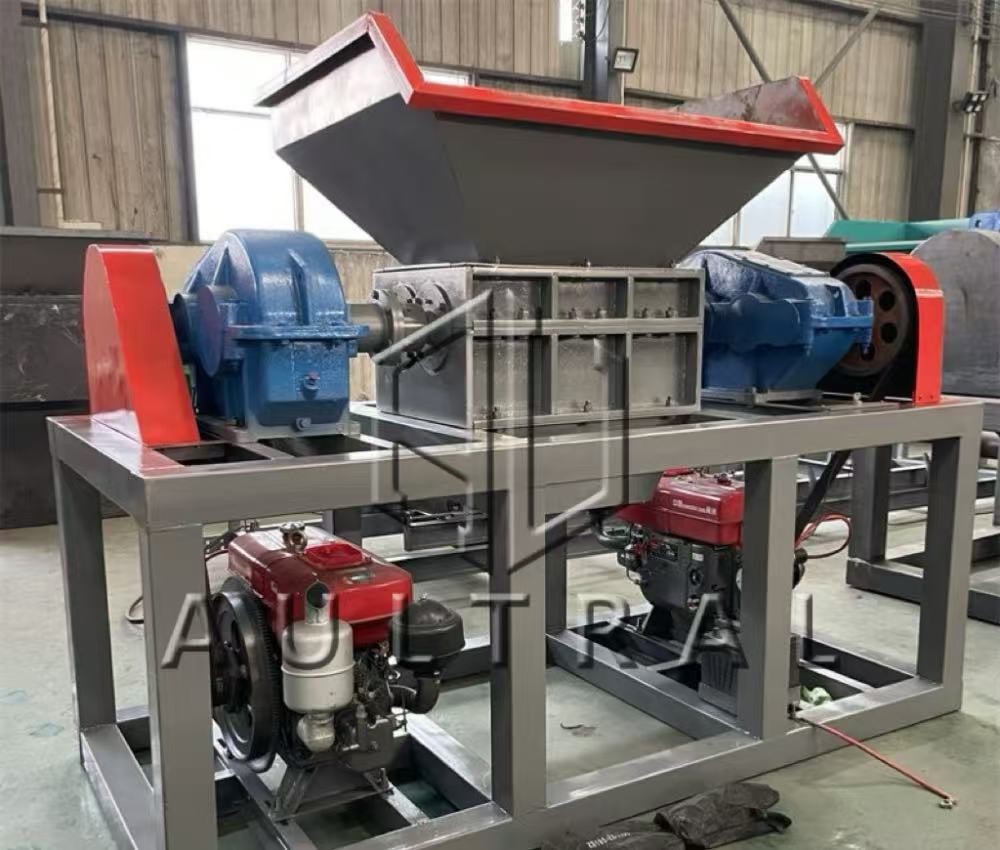
Double shaft shredders offer several advantages that make them indispensable for modern industries:
-
Efficient Material Reduction – They can handle bulky and tough materials, reducing them into smaller, uniform pieces for easier transport or recycling.
-
High Throughput – The dual-shaft design allows continuous feeding, higher speed, and larger volume processing compared to single-shaft machines.
-
Energy Efficiency – Double shaft shredders consume less energy per ton of material due to optimized torque and blade configuration.
-
Safety – They are designed to handle oversized and irregular materials safely, with overload protection and emergency stop features.
-
Environmental Benefits – By recycling plastics, metals, and other materials, these machines help reduce landfill use and promote sustainable resource management.
How To Use A Double Shaft Shredder
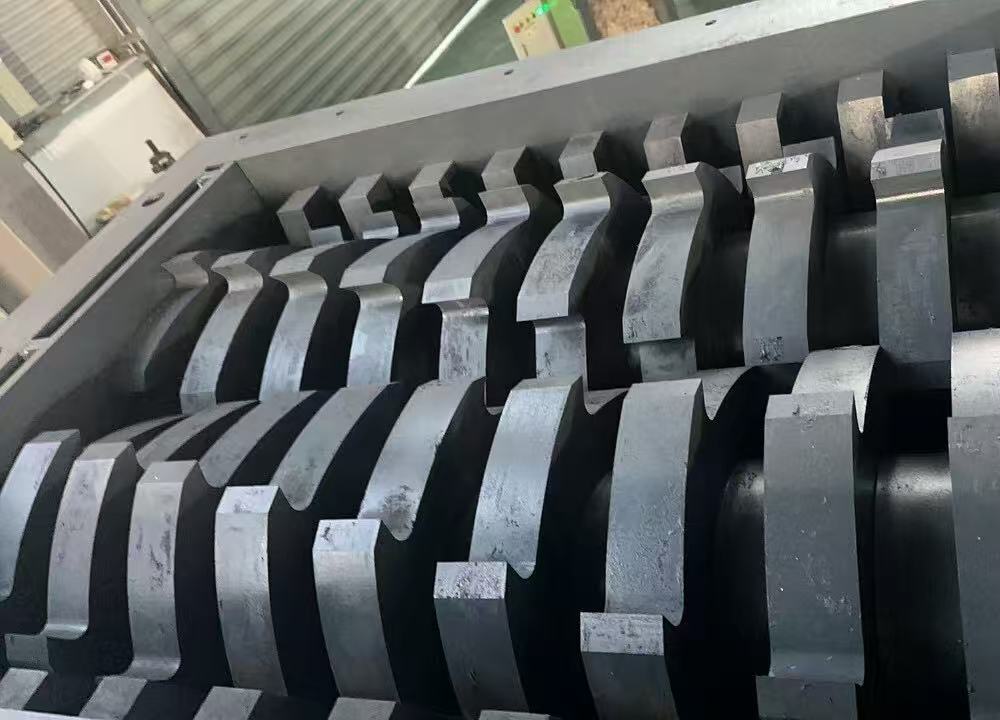
Using a double shaft shredder safely and efficiently requires attention to operational guidelines:
Step-By-Step Guide:
-
Preparation – Inspect the shredder for damage, ensure blades are sharp, and confirm safety guards are in place. Wear appropriate personal protective equipment (PPE), including gloves, goggles, and ear protection.
-
Material Sorting – Separate materials that are compatible with your shredder. Remove non-shreddable objects like large stones, batteries, or liquids.
-
Feeding Materials – Slowly feed the material into the shredder. Avoid overloading, as this can cause motor overload or jamming. Many modern double shaft shredders have automatic feeding systems.
-
Monitoring Operation – Keep an eye on the machine’s motor load, blade condition, and output size. PLC systems often provide real-time monitoring.
-
Maintenance – Regularly check blade wear, lubricate bearings, and inspect hydraulic systems. Replace worn-out blades promptly to maintain efficiency.
Choosing The Right Double Shaft Shredder Model
Selecting the appropriate shredder depends on material type, volume, and operational needs.
Factors To Consider:
-
Material Type – Soft plastics or paper can be processed with lower torque machines, whereas metals, tires, and wood require high-torque models.
-
Throughput Capacity – Estimate how much material you need to shred per hour or day. Choose a model that meets your volume without overloading.
-
Blade Configuration – Some shredders allow reversible or replaceable blades, extending service life and reducing downtime.
-
Automation Features – Features like hydraulic opening, automatic feeding, and PLC controls improve efficiency and reduce labor.
-
Machine Size And Power – Ensure your facility can accommodate the machine’s footprint, and confirm the voltage and power supply compatibility.
-
Maintenance Accessibility – A machine that allows easy access to blades, shafts, and motors will save time and maintenance costs.
Tips For Maximizing Shredder Performance
-
Avoid Overloading – Feed material at a steady rate to prevent motor strain or blade damage.
-
Regular Cleaning – Remove shredded material build-up to prevent blockages and maintain efficiency.
-
Monitor Blade Condition – Replace or sharpen blades before they become too dull to ensure uniform shredding.
-
Check Motor Performance – Regularly inspect motor amperage and temperature.
-
Train Operators – Skilled operators reduce accidents and ensure optimal machine performance.
Common Applications Of Double Shaft Shredders
-
Plastic Recycling – Bottles, containers, pipes, and packaging materials.
-
Metal Recycling – Light metals, aluminum cans, and thin sheet metal.
-
Wood And Timber – Pallets, crates, and furniture scraps.
-
Textiles And Fabrics – Waste clothing, rags, and industrial fabrics.
-
Rubber Products – Tires, belts, and conveyor scraps.
-
Paper And Cardboard – Boxes, cartons, and paper waste.
Future Trends In Double Shaft Shredder Technology
As global recycling demand continues to increase, double shaft shredder technology is also evolving rapidly. Manufacturers are developing smarter, more efficient, and more energy-saving machines to meet the needs of modern industries.
1. Intelligent Monitoring Systems
Modern shredders increasingly integrate IoT-based monitoring tools. These systems can track blade wear, motor load, temperature, vibration, and output size in real time. Predictive maintenance helps prevent breakdowns, reduces downtime, and extends machine lifespan.
2. Enhanced Safety Designs
Newer models include improved safety sensors, automatic reverse functions, and emergency shut-off systems. These upgrades ensure safer operation, especially when handling unpredictable or oversized materials.
3. Improved Blade Materials
The development of stronger alloy and hardened steel blades allows shredders to process tougher materials such as stainless steel pieces, metal drums, or thick rubber. Longer blade life also reduces operational costs.
4. Modular Machine Structure
More manufacturers now provide modular double shaft shredders that allow customers to easily replace cutting chambers, adjust shaft lengths, or add feeding conveyors. This flexibility makes upgrades and maintenance faster and more affordable.
Environmental And Economic Benefits
Double shaft shredders not only help manage waste but also create real economic value for industries and recycling facilities.
1. Reduced Waste Volume
By reducing material size by up to 80%, transportation costs and storage requirements significantly decrease.
2. Increased Recycling Efficiency
Materials such as plastic, metal, paper, or rubber can be sorted, washed, melted, or reprocessed more easily after shredding.
3. Lower Operational Costs
High-torque, low-speed shredders consume less electricity per ton of processed material, making them cost-effective for long-term use.
4. Compliance With Environmental Regulations
Many countries now require strict recycling and waste reduction policies. Double shaft shredders help businesses meet these regulations and avoid penalties.
Who Should Invest In A Double Shaft Shredder?
Double shaft shredders are ideal for:
-
Recycling plants
-
Plastic and rubber manufacturers
-
Metal scrap yards
-
Waste management companies
-
Paper mills
-
Furniture and wood processing factories
-
Textile recycling facilities
Any business that handles high volumes of waste or bulky materials can significantly benefit from the machine’s efficiency and durability.
Final Thoughts
Double shaft shredders represent one of the most powerful and versatile solutions for industrial waste reduction and recycling. Their ability to process a wide range of materials—plastics, metals, wood, textiles, rubber, and more—makes them an essential asset for businesses seeking improved productivity, lower costs, and sustainable operations.
By choosing the right model, following proper operation practices, and maintaining the machine regularly, companies can enjoy long-term reliability and outstanding performance. As recycling technology continues to develop, double shaft shredders will remain at the forefront of efficient, eco-friendly material processing.
Conclusion
Double shaft shredders are versatile, efficient, and indispensable in modern recycling and waste management. They not only improve productivity but also contribute to environmental sustainability by processing bulky and tough materials into manageable pieces.
By understanding what double shaft shredders are, why they are important, how to operate them, and how to select the right model, businesses can optimize their operations, reduce costs, and improve safety.
Investing in a high-quality double shaft shredder ensures long-term reliability, higher throughput, and a more sustainable workflow for industries handling plastics, metals, wood, textiles, and more.