
Metal recycling continues to grow worldwide as industries seek cost-effective, energy-saving, and environmentally friendly solutions. Among all recycling equipment, the metal baler—also known as a metal compactor or metal briquetting machine—plays a crucial role in transforming loose scrap into dense, uniform, easy-to-transport blocks.
However, for many small and medium-sized recyclers, purchasing a brand-new metal baler requires a significant investment. This is why used metal baler machines have become increasingly popular. They offer strong performance at a fraction of the price, making them an excellent choice for businesses that want to expand operations without heavy capital pressure.
This guide explains what a used metal baler is, how to use it, why it is important for the environment, how it compares with new machines, and how to select the right used model for your business.
What Is A Used Metal Baler Machine?
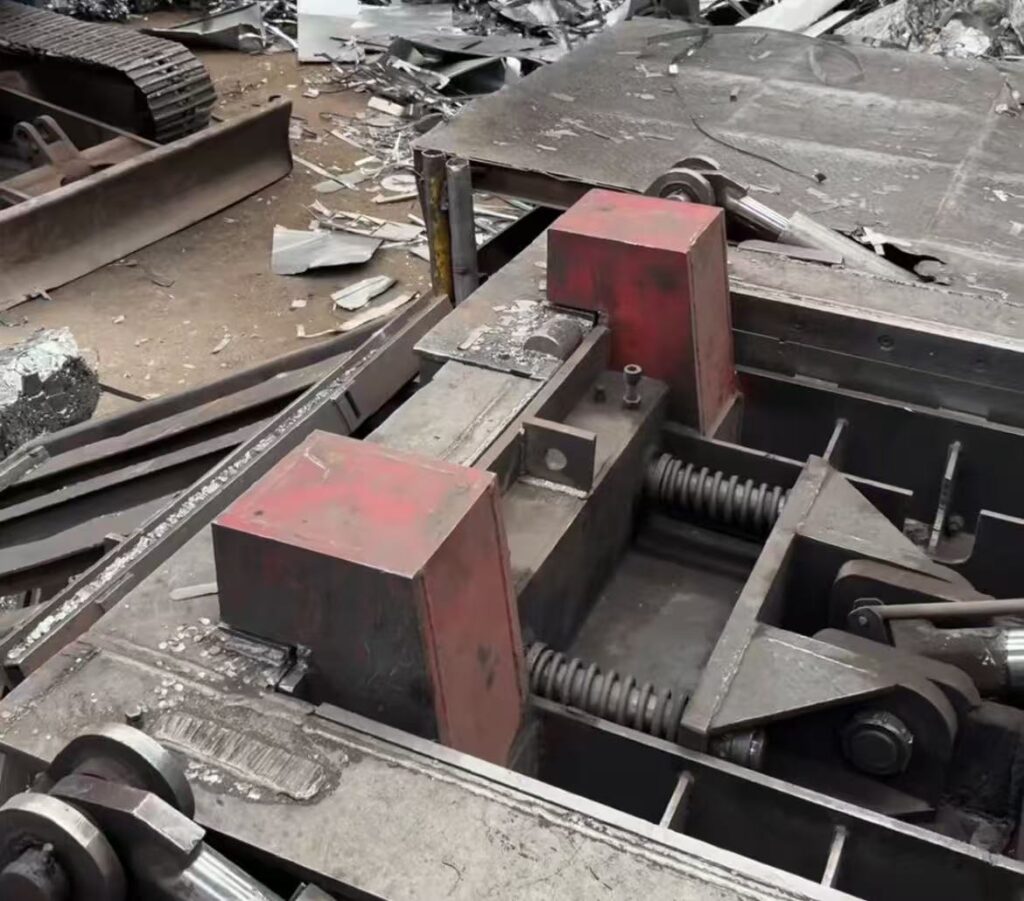
A used metal baler machine is a second-hand hydraulic compaction machine that compresses loose metal scrap—such as steel, aluminum, copper, and stainless steel—into dense, high-value bales.
Even though the machine is pre-owned, a well-maintained used metal baler can provide reliable performance for many years.
A typical used metal baler consists of:
-
Hydraulic system: Provides compaction force.
-
Press chamber / material box: Holds the scrap for compression.
-
Control panel: Enables manual or automatic operation.
-
Main cylinder and door lock mechanism: Ensures strong compressing performance.
-
Electrical system and motor: Powers the hydraulic pump.
Used metal balers are commonly found in recycling yards, metal processing plants, automotive dismantling centers, and manufacturing facilities that generate metal waste.
How To Use A Used Metal Baler Machine
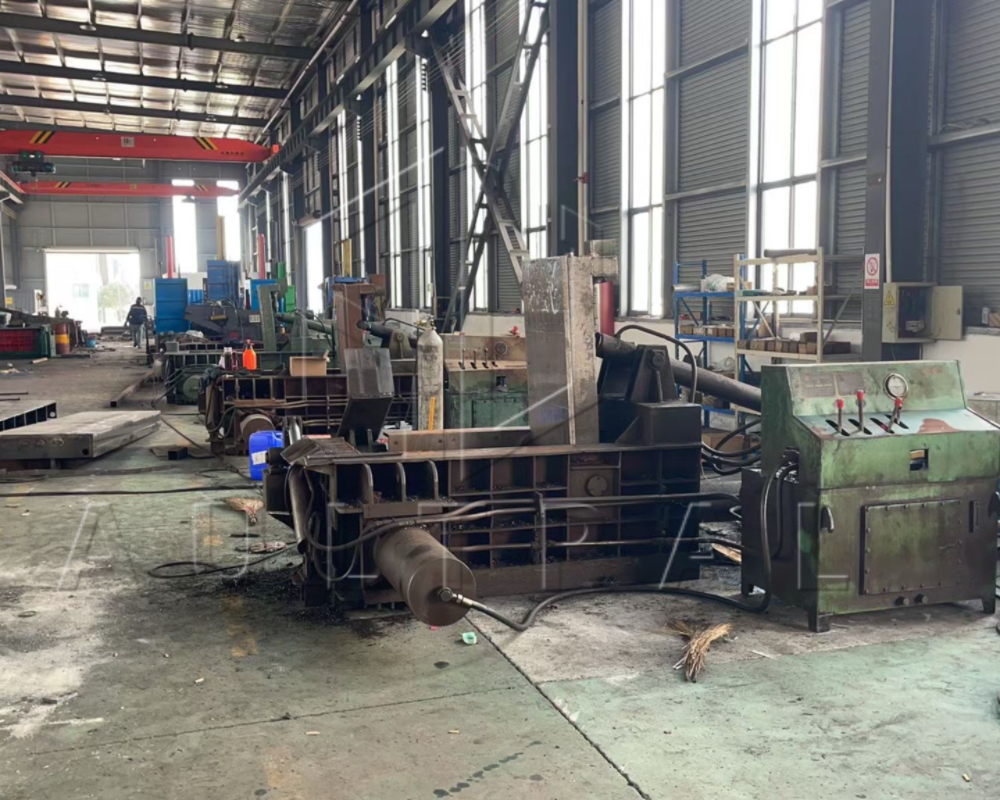
Although models may differ slightly, most used metal balers follow a similar operating method. Below is a general step-by-step guide:
1. Prepare And Inspect The Machine
Before each operation:
-
Check hydraulic oil level.
-
Ensure there are no leaks in hoses or cylinders.
-
Confirm electrical wiring and motor connections are secure.
-
Clean the material box to avoid blockages.
-
Check for abnormal sounds during test running.
Regular inspection is essential for used machines to ensure safety.
2. Load The Scrap Material
Metal scrap is placed into the material box manually or via conveyor.
Common materials include:
-
Steel scrap
-
Aluminum profiles
-
Iron sheets
-
Copper scrap
-
Stainless steel turnings
Avoid overloading the chamber to prevent hydraulic system damage.
3. Start The Compression Process
Depending on the machine type:
-
Manual balers require button or lever operation.
-
Semi-automatic balers complete each compression cycle with minimal user input.
-
Automatic systems run continuously with preset parameters.
The hydraulic cylinders push the scrap from multiple directions (side, top, or front) to form a dense block.
4. Eject The Bale
After compression:
-
The bales are pushed out automatically or manually.
-
Operators collect the finished blocks and store them on pallets.
5. Safety Precautions
For used machines, safety is extremely important:
-
Never stand near the pressing direction.
-
Wear gloves and protective shoes.
-
Do not touch moving parts.
-
Stop the machine immediately if unusual noise or vibration occurs.
Following these steps ensures efficient, safe, and long-lasting operation.
Why Used Metal Balers Are Important For The Environment
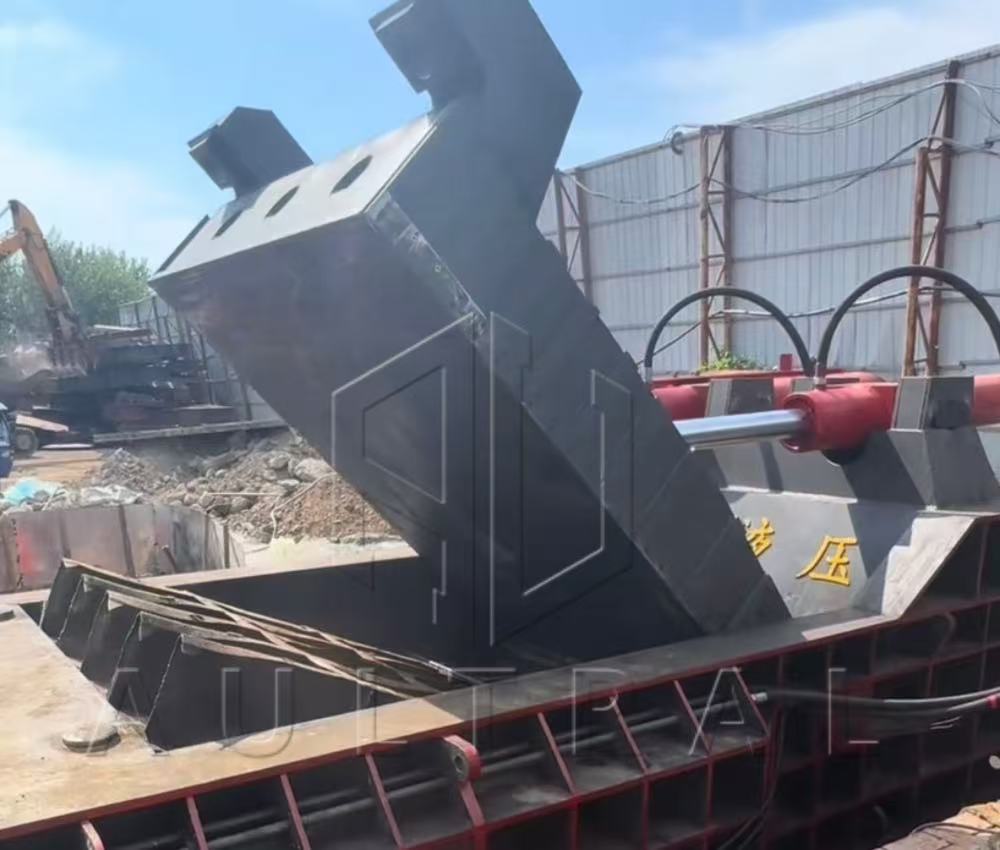
Used metal baler machines contribute to sustainability on several levels:
1. Reduce Waste Volume
Loose metal is bulky and difficult to store or transport.
Baling can reduce waste volume by up to 90%, allowing recyclers to cut transportation costs and reduce landfill usage.
2. Support Metal Recycling
Baled scrap is easier to melt, sort, and reuse.
Recycling metals:
-
Saves natural resources
-
Reduces mining activities
-
Cuts energy consumption during smelting
-
Lowers CO₂ emissions
For example, recycling aluminum saves 95% of the energy required to produce new aluminum from raw ore.
3. Extend Equipment Life Through Reuse
Choosing a used metal baler extends the lifecycle of industrial machinery, reducing:
-
Manufacturing waste
-
Energy consumption
-
Raw material usage
This aligns with global efforts toward circular economy and carbon neutrality.
4. Promote Sustainable Production
Manufacturers and recycling companies that use balers contribute directly to environmental protection by promoting efficient waste handling and resource conservation.
Used Metal Balers Vs. New Machines: Which Is Better?
When selecting a machine, it is important to understand the differences between used and new metal balers. Below is a clear comparison:
1. Cost Comparison
-
Used baler: 40%–70% cheaper
-
New baler: Higher investment but includes warranty and latest technology
If budget is limited, a used baler offers a quick return on investment.
2. Performance
A high-quality used machine can still deliver strong performance, especially if:
-
It has been well maintained
-
Key components (like seals and hoses) have been replaced
-
The hydraulic system is in good condition
New machines offer more stable performance but the difference may be minimal in practical use.
3. Maintenance
-
Used machines require more frequent inspection.
-
Spare parts may need replacement sooner.
-
New machines come with longer service intervals.
4. Technology
New machines may include:
-
Automated feeding
-
Remote monitoring
-
Energy-saving systems
-
Advanced control panels
Used machines may not include these features, but they still perform core baling functions effectively.
5. Durability And Lifespan
Metal balers are heavy-duty machines built with thick steel structures and robust hydraulic components.
Even after years of use, they can still operate efficiently if properly refurbished.
How To Choose The Right Used Metal Baler Machine
Selecting a used metal baler requires careful evaluation. Below is a practical guide.
1. Determine Your Scrap Material Type
Different materials require different forces:
-
Lightweight aluminum/copper → Lower compression force
-
Heavy steel or mixed scrap → Higher compression force
Knowing your scrap type ensures you choose a machine powerful enough for your needs.
2. Check The Compression Force
Typical forces:
-
630 kN – 1000 kN for light metals
-
1250 kN – 2000 kN for mixed scrap
-
2500 kN and above for heavy, dense metals
Higher pressure produces denser bales.
3. Evaluate Bale Size And Production Capacity
Consider:
-
Required bale size (e.g., 300×300mm, 400×400mm, 600×600mm)
-
Expected output (kg/hr or tons/day)
-
Machine chamber size
Choose a machine that matches your recycling line or buyer requirements.
4. Inspect The Hydraulic System Carefully
This is the most important part of a used baler. Check:
-
Cylinder condition
-
Oil leaks
-
Pump pressure
-
Hose health
-
Valve responsiveness
Replacing hydraulic parts is normal for used machines, but heavy damage should be avoided.
5. Check Structural Strength
Ensure:
-
Material box walls are not deformed
-
Welds are strong
-
Door locks function properly
-
Frame is stable
A strong structure ensures long-term reliability.
6. Review Machine History
Ask the seller:
-
Original manufacturing year
-
Previous usage environment
-
Repair records
-
Replaced parts
-
Reason for selling
Machines from factories (light use) are generally better than those from scrapyards (heavy use).
7. Confirm Spare Parts Availability
Brands with common designs make parts easier and cheaper to replace.
8. Test The Machine Before Purchase
A real-time test run tells you:
-
Pressure level
-
Noise
-
Vibration
-
Cycle speed
-
Oil temperature
Testing is the best way to avoid costly mistakes.
Conclusion: A Smart Investment For Recycling Businesses
Used metal baler machines offer an ideal balance between performance, durability, and affordability.
They help recyclers reduce costs, improve scrap handling efficiency, and support environmental sustainability.
While new machines provide advanced features and longer warranties, a well-maintained used baler can deliver nearly the same performance at a much lower price.
By understanding how they work, what benefits they bring, and how to choose the right model, businesses can make a confident and profitable investment in the recycled metal industry.
If you need, I can also help you rewrite, optimize for SEO, or add product-specific descriptions for your company’s models.