
Metal recycling is one of the most important steps in modern waste management and resource conservation. Businesses that handle scrap materials—such as recycling centers, metal traders, manufacturing facilities, and demolition companies—require efficient equipment to process and compress their materials. Among the most widely used machines in this industry is the metal baler.
For companies looking to reduce costs while maintaining high efficiency, used metal baler machines have become a reliable and economical choice. This guide explains what a used metal baler is, why many companies prefer second-hand models, how they work, and how to use one safely and effectively.
What Is a Used Metal Baler Machine?
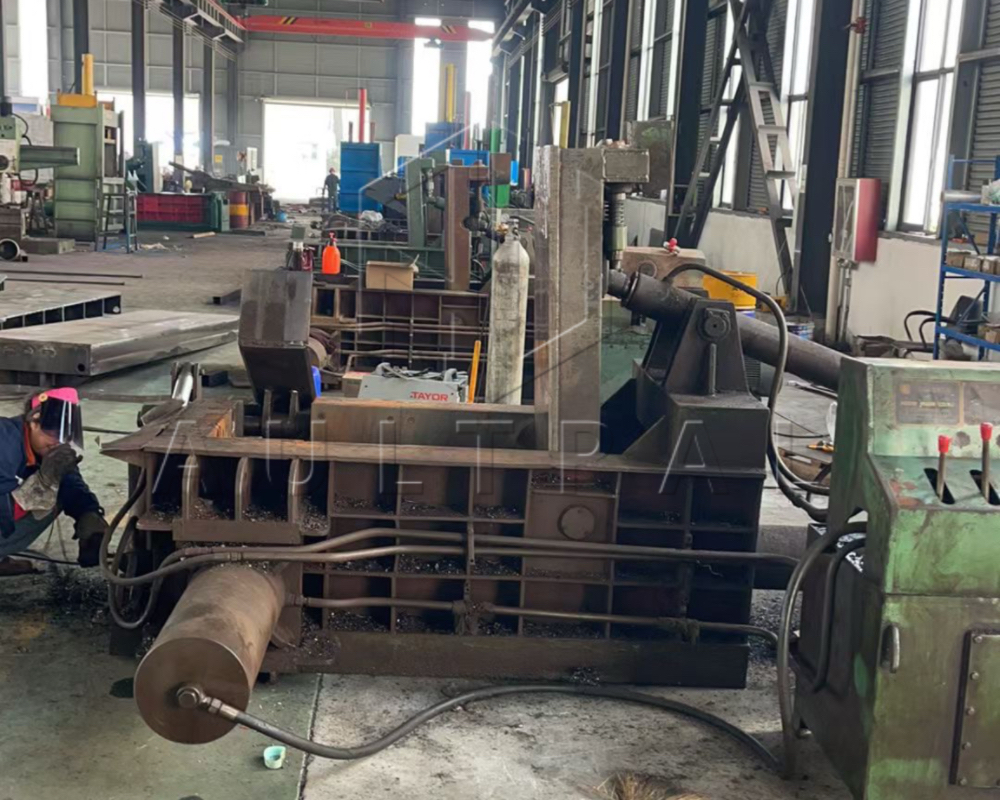
A metal baler is a piece of hydraulic equipment used to compress scrap metal into dense, uniform bales. These bales are easier to store, transport, melt, and recycle. When the machine is pre-owned but still functional and well-maintained, it is considered a used metal baler.
Metal balers are commonly used for processing a wide range of scrap materials, including:
-
Used steel sheets
-
Aluminum cans and profiles
-
Iron scraps
-
Copper wires
-
Stainless steel materials
-
Car body shells and other bulky metal waste
Depending on the structure and application, metal balers generally fall into three types:
1. Vertical Metal Baler
A compact, space-saving machine used for smaller volumes of scrap. It is suitable for light metals, aluminum cans, small steel sheets, and non-ferrous scrap.
2. Horizontal Metal Baler
A larger and more powerful machine that can handle continuous feeding. It is ideal for recycling centers and scrap yards with higher processing demands.
3. Scrap Metal Shear Baler (Shear-Baler Combination)
This advanced machine not only compresses but also cuts large metal pieces into smaller sections. It is widely used in heavy-duty recycling operations.
A used metal baler can be any of these types, depending on the previous owner’s industry and application.
Why Choose a Used Metal Baler Machine?
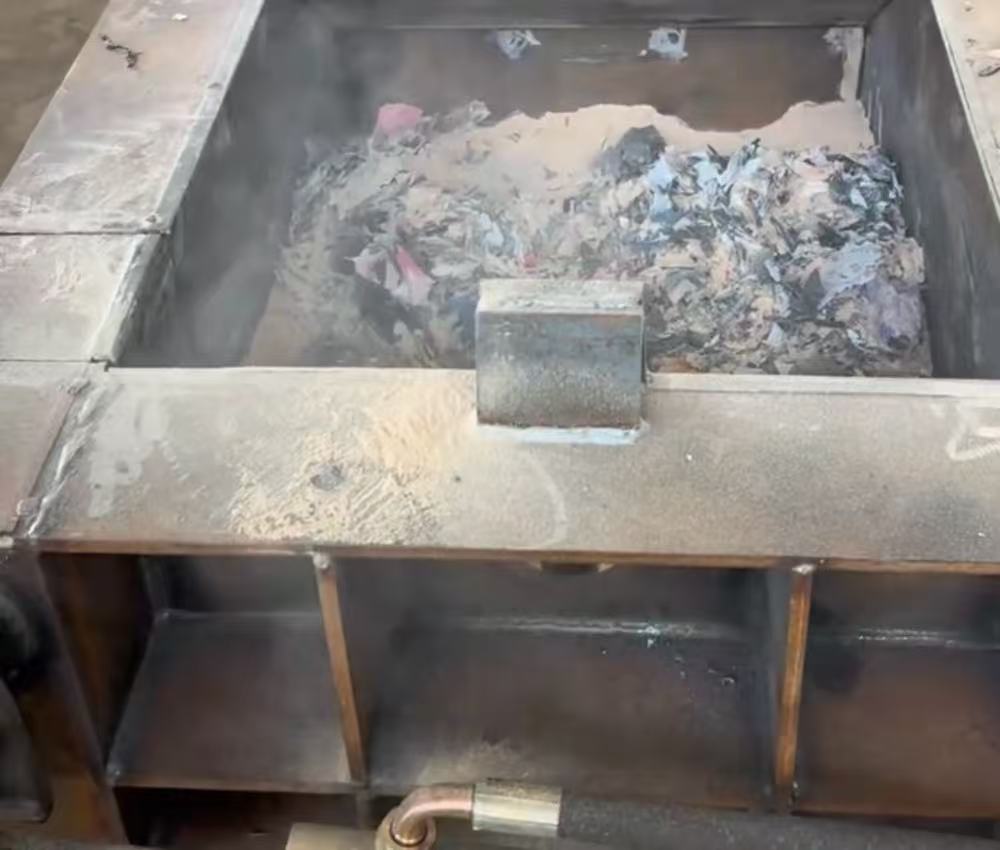
Purchasing a second-hand metal baler has become a popular option for businesses around the world. There are several strong reasons behind this trend.
1. Cost Savings Without Sacrificing Performance
A brand-new hydraulic metal baler can be expensive, especially for small and medium-sized scrap businesses.
A used baler offers:
-
30–70% lower purchase cost
-
Faster return on investment
-
Lower depreciation compared to new equipment
As long as the machine is inspected and maintained properly, a used baler can deliver performance very close to a new one.
2. Reliable, Durable Equipment Built to Last
Metal balers are heavy-duty industrial machines designed for long operation cycles.
Even after years of use, many models remain structurally strong due to:
-
Thick steel frame construction
-
Highly durable hydraulic systems
-
Long-lasting compression chambers and blades
A used baler with documented maintenance records can remain productive for many years.
3. Shorter Lead Time and Faster Setup
New machines often require manufacturing time, customization, and shipping. In contrast:
-
Used metal balers are usually available immediately
-
Delivery time is significantly shorter
-
Installation is faster because the model has already been tested in real conditions
This is valuable for businesses that need equipment urgently.
4. Environmentally Friendly Choice
Buying used equipment promotes resource reuse, reduces waste, and supports sustainable recycling practices. Companies that focus on environmental responsibility often choose used machinery to reduce their carbon footprint.
5. Plenty of Options in the Second-Hand Market
Because many large recycling plants regularly upgrade their equipment, the used market offers a wide variety of:
-
Baling force options (30–2000 tons)
-
Door types (hydraulic door, open door, side push)
-
Bale sizes and densities
-
Automation levels
This makes it easy for buyers to find a model that fits their production needs.
How Does a Used Metal Baler Machine Work?
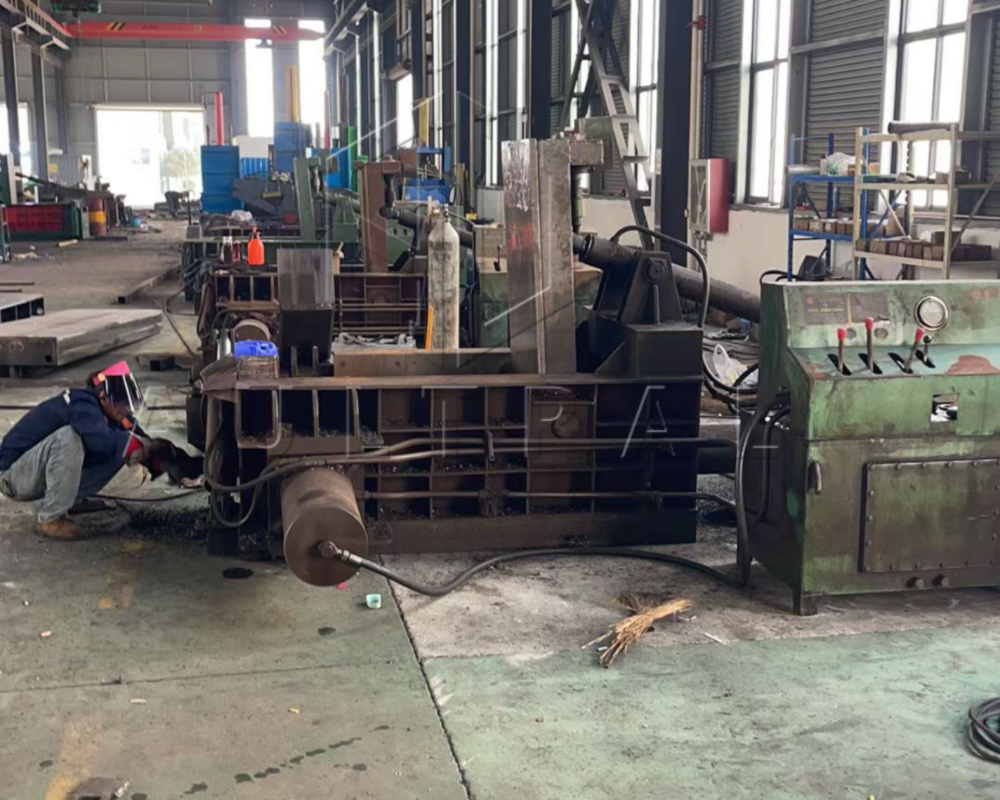
Although models vary, the working principle of metal balers is similar. The machine uses hydraulic pressure to compress loose scrap into compact blocks. Here is a simplified workflow:
1. Feeding
Scrap metal is placed into the compression chamber manually, by conveyor, or using a crane or grabber.
2. Compression
The hydraulic cylinder pushes a ram forward, compressing the material horizontally or vertically.
3. Secondary or Side Compression (Depending on Model)
Some machines have additional cylinders for:
-
Side compression
-
Top compression
-
Multi-directional compaction
This design increases bale density.
4. Bale Ejection
After compression, the machine ejects the final bale either automatically or manually.
Ejection methods include:
-
Hydraulic ejector
-
Mechanical turning
-
Sliding push plate
5. Bale Binding or Collection
Depending on the model:
-
Some machines bind the bale automatically with steel wire
-
Others require manual binding
-
Heavy metal balers often produce blocks without binding
The entire process typically takes between 30 seconds and 3 minutes, depending on machine capacity.
How to Use a Used Metal Baler Machine Safely and Efficiently
Using a used metal baler involves several important steps to ensure productivity and operator safety.
1. Inspect the Machine Before Operation
Before daily operation, check:
-
Hydraulic oil levels
-
Hoses and fittings
-
Electrical connections
-
Wear on the compression chamber
-
Door locks and safety switches
Any suspicious noise, vibration, or leakage should be addressed immediately.
2. Prepare the Scrap Metal
Remove materials that could damage the machine, such as:
-
Large stones
-
Hard alloys
-
Extremely thick steel plates
-
Flammable items
-
Pressurized gas cylinders
Sorting the scrap improves bale quality and prevents machine wear.
3. Follow Proper Feeding Methods
Operators should:
-
Avoid overloading the chamber
-
Keep hands and clothing away from moving parts
-
Use forklifts or cranes for heavy materials
-
Ensure even distribution of scrap in the chamber
Correct feeding increases compaction efficiency.
4. Set Power and Compression Parameters
Depending on the model:
-
Adjust hydraulic pressure
-
Choose bale size
-
Set compression modes
-
Select automatic or manual operating mode
A well-calibrated machine produces uniform, high-density bales.
5. Start the Compression Cycle
Once the chamber is loaded:
-
Close the door securely
-
Confirm safety locks
-
Press the start button
-
Allow the hydraulic system to complete the cycle
Operators should never stand near the ram or chamber during compression.
6. Eject the Finished Bale
After compression:
-
Activate the hydraulic ejector
-
Ensure the bale slides safely onto the ground or pallet
-
Avoid standing behind the bale
If binding is required, use steel wire or strapping tools.
7. Maintain the Machine Regularly
Used machines require consistent maintenance:
-
Replace oil every 6–12 months
-
Check cylinders for leaks
-
Clean hydraulic filters
-
Tighten bolts and inspect wear plates
-
Lubricate moving parts
Proper maintenance extends the lifespan of a used baler significantly.
Tips for Choosing the Right Used Metal Baler Machine
When selecting a second-hand baler, consider the following key factors:
1. Required Baling Force
Choose based on scrap type:
-
30–100 tons: Aluminum cans, light steel
-
150–300 tons: Stainless steel, medium scrap
-
400–1000+ tons: Heavy scrap, car bodies, iron blocks
2. Bale Size and Density
Higher density is better for:
-
Export shipping
-
Smelting efficiency
-
Warehouse space management
3. Automation and Operation Mode
Options include:
-
Manual control
-
Semi-automatic
-
Fully automatic with conveyor feeding
4. Machine Condition and Maintenance History
Ask the seller for:
-
Videos of the machine running
-
Maintenance records
-
Cylinder condition
-
Wear plate thickness
-
Oil pump and motor information
5. Manufacturer Reputation
Choose models from reliable brands with accessible spare parts.
Conclusion
A used metal baler machine is a cost-effective, reliable, and environmentally friendly solution for businesses involved in scrap metal recycling. Whether you’re processing aluminum cans, steel sheets, or heavy scrap, a well-selected second-hand baler can significantly improve efficiency, reduce labor costs, and optimize the entire recycling workflow.