
What Is A Used Metal Baler Machine?
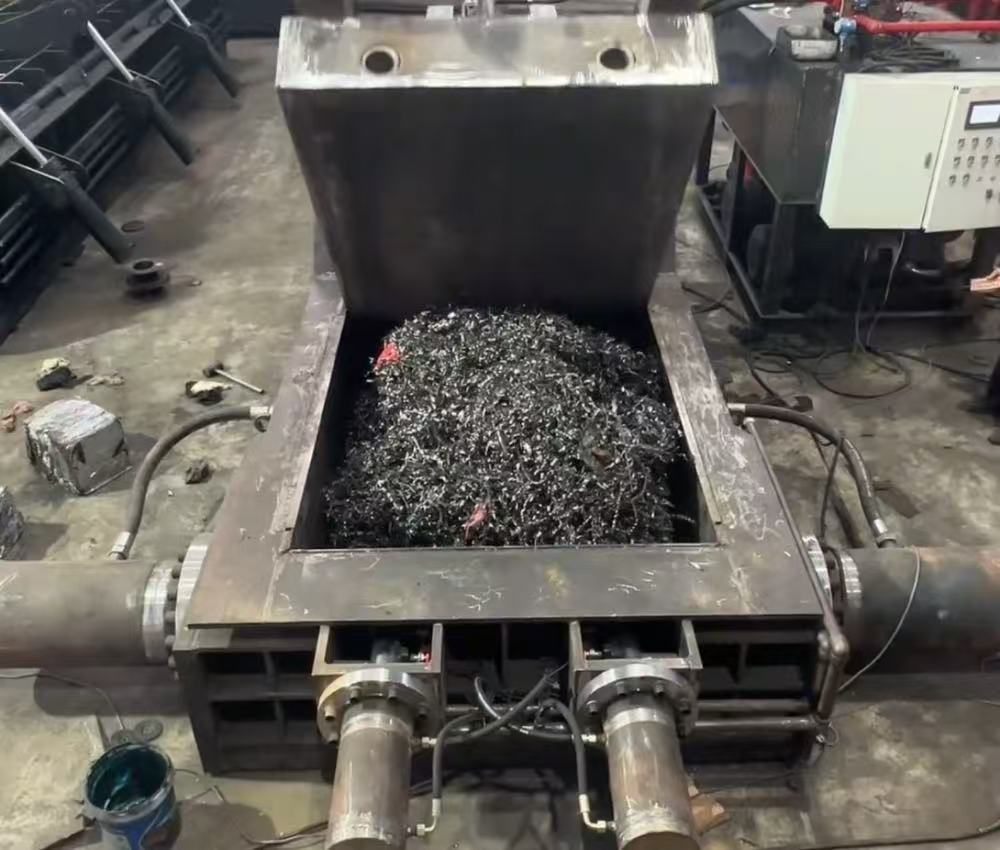
A used metal baler machine is a type of recycling equipment designed to compress scrap metal materials into dense, manageable bales or blocks. These machines are widely used in metal recycling facilities, steel mills, and scrapyards to handle ferrous and non-ferrous metals such as aluminum, copper, steel, iron, and stainless steel.
Unlike new balers, a used metal baler refers to a second-hand or pre-owned unit that has been previously operated but is still in good working condition. Many businesses choose to buy used balers as a cost-effective alternative to new machines, especially when they are starting out or working with a limited budget.
Metal balers can be hydraulic or mechanical, horizontal or vertical, depending on the compression system and capacity. The compressed bales produced by these machines are easier to transport, store, and melt, which helps reduce logistics and smelting costs significantly.
Why Choose A Used Metal Baler Machine?
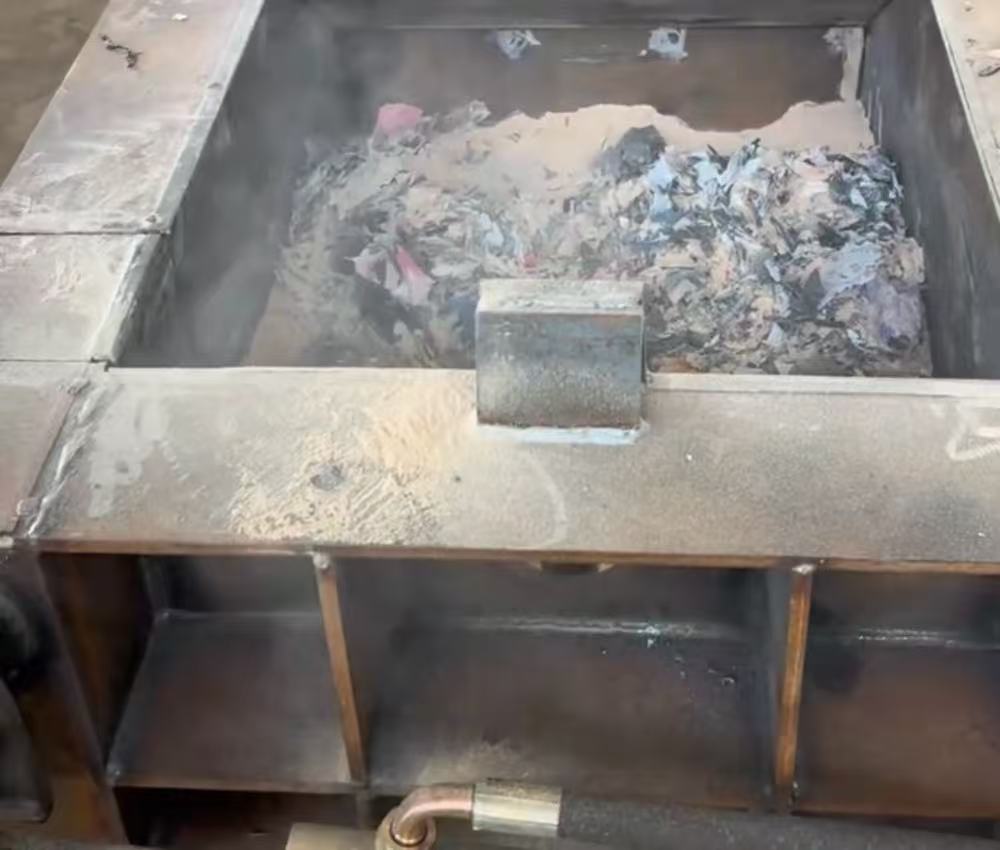
1. Cost Efficiency
One of the biggest advantages of purchasing a used metal baler is cost savings. A brand-new baler can be quite expensive, while a used one can offer similar performance at a much lower price—often 40% to 70% less. This allows businesses to invest their savings into other areas such as transportation, maintenance, or staff training.
2. Proven Performance
Many used balers come from reliable brands known for their durability and stable performance. If the previous owner maintained the machine properly, a used baler can still deliver many years of efficient operation. These machines are built with heavy-duty hydraulic systems and wear-resistant components, designed to last even under continuous use.
3. Shorter Lead Time
Buying a new baler often involves long production and shipping times. In contrast, used machines are usually ready to ship immediately, helping you start operations faster. For recycling plants with urgent demand, this is a huge advantage.
4. Eco-Friendly Choice
Purchasing used equipment contributes to sustainability. Instead of scrapping and manufacturing new machines, reusing existing ones reduces waste and energy consumption, making your operation more environmentally friendly—an essential value in today’s recycling industry.
How Does A Used Metal Baler Machine Work?
A typical used metal baler operates through a hydraulic compression process. Here’s how it works step-by-step:
-
Feeding the Material:
Scrap metal is loaded into the compression chamber manually, via conveyor, or using a grab crane. -
Compression:
Hydraulic cylinders push the material from different directions (side, top, or front), depending on the machine type, to form a compact block. -
Bale Formation:
The pressure exerted by the hydraulic system squeezes the scrap into a uniform, high-density bale. The compression force can range from 100 to 2000 tons depending on the model. -
Ejection:
Once the bale is formed, the machine ejects it automatically or semi-automatically using a hydraulic pushing system. -
Storage and Transport:
The compact bales are now easy to stack, transport, and feed directly into furnaces for melting.
Some advanced models come with PLC control systems, allowing precise pressure adjustment, automatic operation, and high production efficiency.
Types Of Used Metal Baler Machines
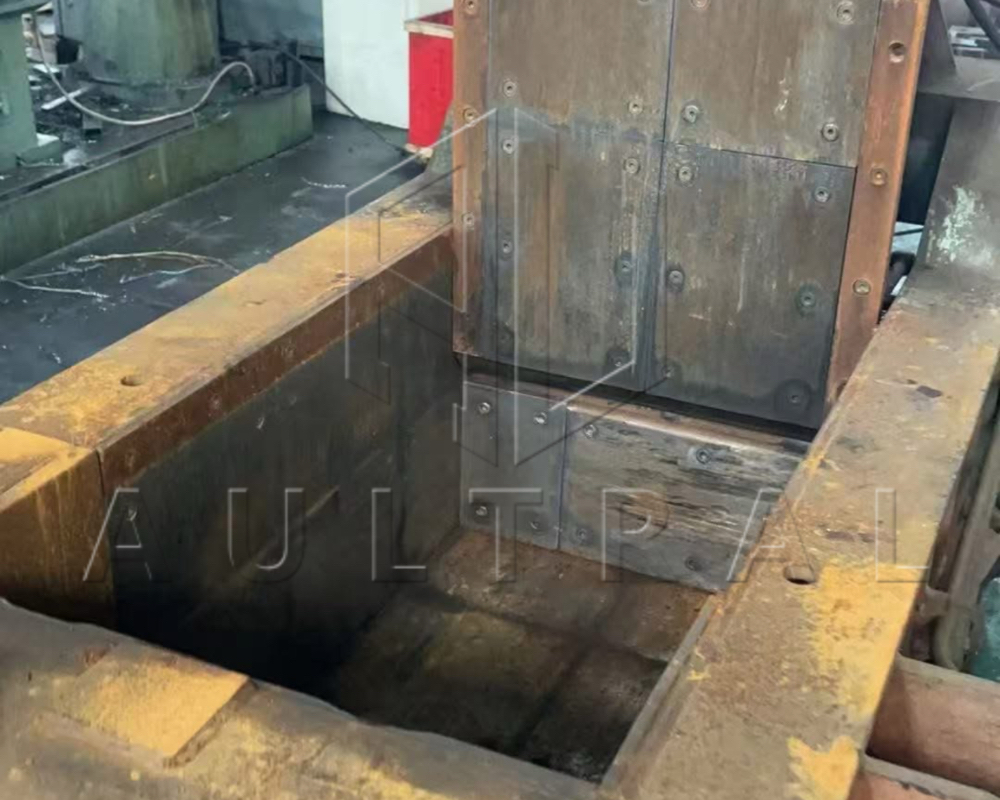
Depending on your recycling needs, used metal balers are available in several configurations:
1. Vertical Metal Balers
-
Suitable for small-scale operations.
-
Compact design and easy to operate.
-
Ideal for aluminum cans, light steel sheets, and small metal scraps.
2. Horizontal Metal Balers
-
Designed for large quantities of scrap.
-
Can be integrated with conveyors for continuous feeding.
-
Perfect for steel mills and recycling centers.
3. Alligator Shear Balers
-
Combine cutting and baling in one unit.
-
Used for cutting long scrap pieces before compression.
4. Scrap Metal Baling Press
-
Heavy-duty hydraulic balers for compressing bulky materials like car shells and heavy steel.
-
Equipped with high-pressure cylinders and large feed chambers.
How To Operate A Used Metal Baler Safely
When using a used machine, safety and maintenance are especially important. Here are some essential tips:
-
Inspection Before Use
Check for oil leaks, loose bolts, and wear on hydraulic hoses. Ensure all safety switches are functional. -
Regular Maintenance
Change hydraulic oil regularly, clean filters, and lubricate moving parts to maintain stable pressure and prevent failure. -
Proper Training
Only trained personnel should operate the baler. Misuse can lead to hydraulic failure or accidents. -
Avoid Overloading
Never exceed the recommended compression capacity, as it may damage the cylinders or frame. -
Keep the Work Area Clean
Remove obstacles and spilled oil to prevent slipping or machinery damage.
How To Choose The Right Used Metal Baler Machine
Selecting the right model is crucial for long-term efficiency. Consider the following factors before making your purchase:
1. Type of Scrap Material
Different metals require different compression forces. For example:
-
Aluminum & copper: Medium-pressure vertical balers are sufficient.
-
Steel & iron: High-pressure horizontal or triple-action balers are recommended.
2. Bale Size and Density
Choose a model that meets your transportation and storage requirements. Some customers prefer smaller bales for easier handling, while others choose larger, denser bales to maximize container loading.
3. Output Capacity
Estimate your daily or hourly processing volume. This determines whether you need a small manual baler or a fully automatic hydraulic press.
4. Hydraulic System Condition
Always inspect the hydraulic cylinders, pump, and control valves. A well-maintained system ensures stable compression and avoids costly repairs.
5. Brand and After-Sales Support
Stick with well-known brands or suppliers that provide maintenance records, spare parts, and service assistance. This will save you time and money in the long run.
6. Power Supply and Installation Space
Make sure the baler matches your site’s voltage (e.g., 380V/50Hz) and space requirements. Horizontal models need more installation space compared to vertical ones.
Tips For Buying A Reliable Used Metal Baler
-
Request photos and videos of the machine in operation.
-
Ask for maintenance records and the year of manufacture.
-
Inspect the frame structure for cracks or weld damage.
-
Check the oil pressure and hydraulic speed during testing.
-
Prefer machines that come with CE certification or were previously maintained by authorized technicians.
The Future Of Metal Recycling With Used Balers
As global metal recycling demand continues to rise, the role of used metal baler machines will remain crucial. They allow small and medium recyclers to participate in the circular economy without heavy investment. With proper care and maintenance, a used metal baler can perform almost as efficiently as a new one, offering outstanding return on investment.
Moreover, the trend toward sustainable manufacturing makes reusing industrial equipment both environmentally and economically beneficial. By choosing a reliable supplier and suitable model, businesses can enhance productivity, reduce operational costs, and contribute to global waste reduction.
Conclusion
A used metal baler machine is an intelligent choice for companies seeking an affordable and efficient way to manage scrap metal. It compresses waste into compact, transportable bales, reduces labor and logistics costs, and supports eco-friendly recycling.
Whether you operate a small workshop or a large recycling facility, selecting the right model and maintaining it properly will ensure long-lasting performance and profitability.
If you are looking for a durable, CE-certified used metal baler, Shanghai Aultral Machinery Co., Ltd offers a wide range of reliable machines for different metal types and capacities. Contact us today to find the ideal solution for your recycling business!