
Introduction
In today’s recycling and scrap processing industries, the metal baler machine plays a critical role in compressing and packaging metal scraps for easier storage, transportation, and resale. However, for many businesses, buying a brand-new metal baler can be a huge investment. This is why more and more companies are turning to used metal baler machines — an affordable and efficient solution that offers high performance at a fraction of the cost.
This blog will explain what a used metal baler is, why it’s worth considering, how to use it safely and effectively, and how to select the right model for your operation.
What Is A Used Metal Baler Machine?
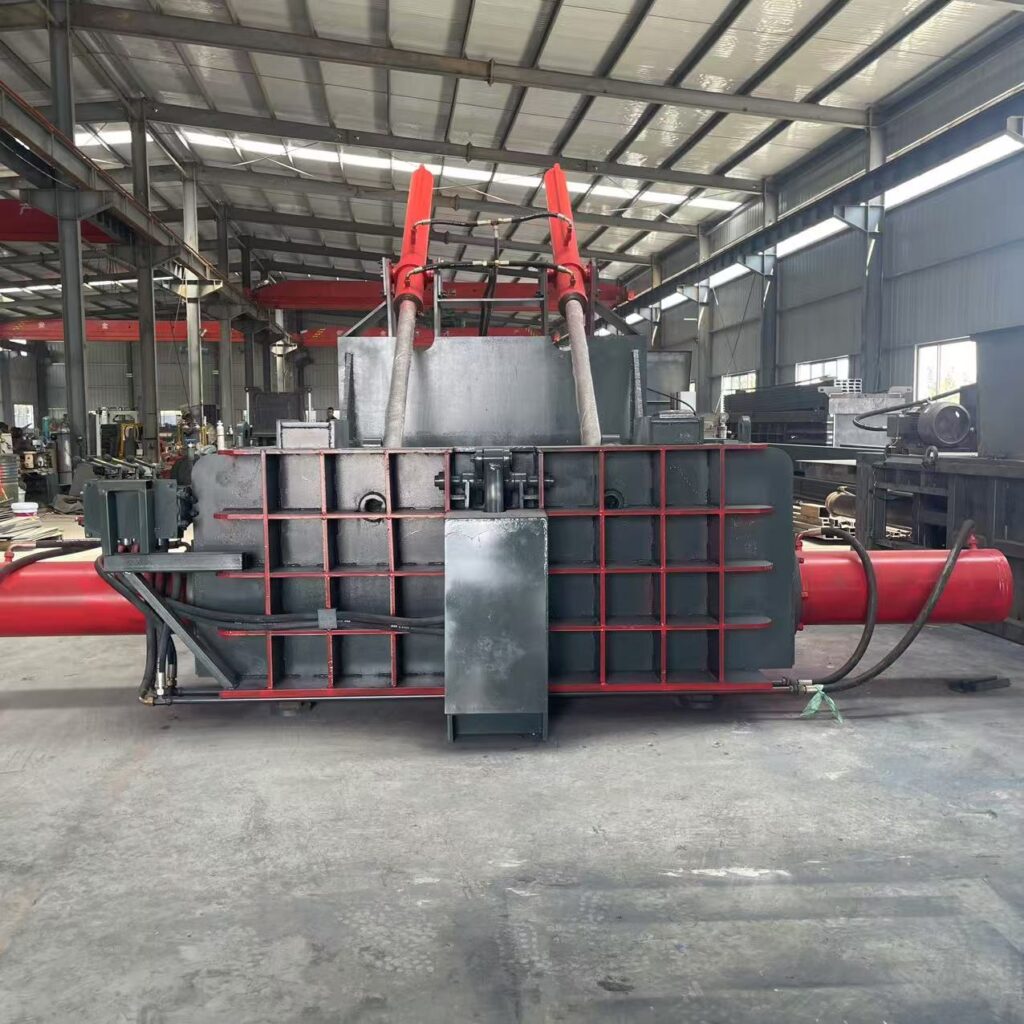
A metal baler machine is a hydraulic device designed to compress various types of metal scrap — such as steel, aluminum, copper, iron, and stainless steel — into dense, easy-to-handle bales. These bales can then be conveniently transported to smelting plants or recycling centers.
A used metal baler simply refers to a machine that has been previously owned and operated but is still in good working condition. Many used machines come from recycling plants that upgrade their equipment, making them a cost-effective choice for small and medium-sized scrap yards or new recycling businesses.
There are several types of metal balers commonly available in the used market:
-
Horizontal metal baler: Ideal for high-volume operations and continuous feeding.
-
Vertical metal baler: Compact and suitable for smaller facilities.
-
Scrap metal baler with side ejection: Designed for heavy and bulky metal pieces.
-
Hydraulic metal baler with automatic feeding: Improves efficiency in larger recycling plants.
Why Choose A Used Metal Baler Machine?
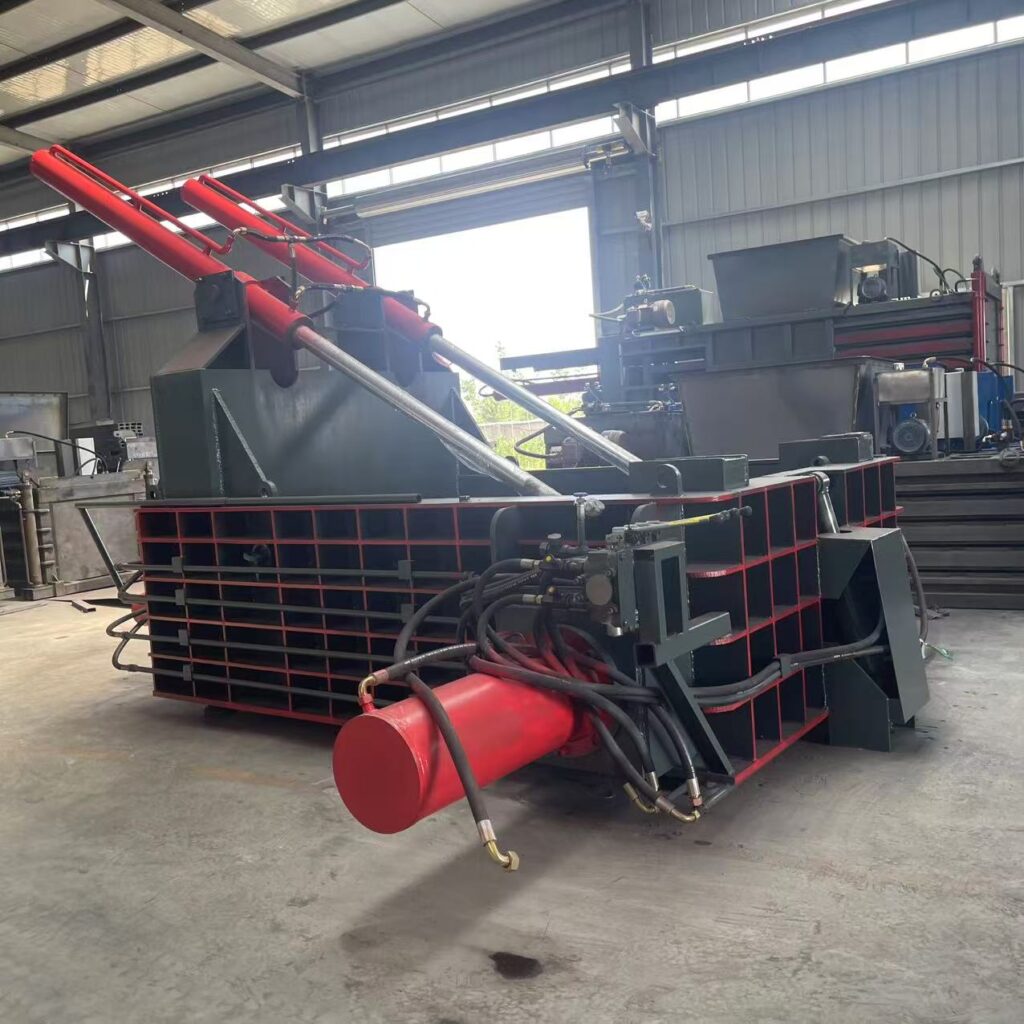
1. Cost-Effective Investment
The primary reason to choose a used metal baler is cost savings. A new hydraulic baler can cost tens of thousands of dollars, while a used one can deliver similar performance at a significantly lower price. This makes it an ideal choice for startups or businesses that want to expand their recycling capabilities without overspending.
2. Proven Performance
A used machine with a good maintenance record can perform just as efficiently as a new one. Many reputable manufacturers build metal balers with durable hydraulic systems and solid steel frames, ensuring a long operational life.
3. Fast Return On Investment
Because the purchase price is lower, businesses can recover their investment faster. The machine starts generating profit more quickly, especially for companies that deal with large volumes of metal scrap daily.
4. Environmental Benefits
Choosing a used machine is also an eco-friendly decision. By reusing existing equipment, you reduce industrial waste and contribute to sustainable manufacturing practices.
5. Easy Availability Of Spare Parts
Most used metal balers come from well-known brands with widely available spare parts and after-sales support. This makes maintenance and repair much easier and more affordable.
How To Use A Used Metal Baler Machine
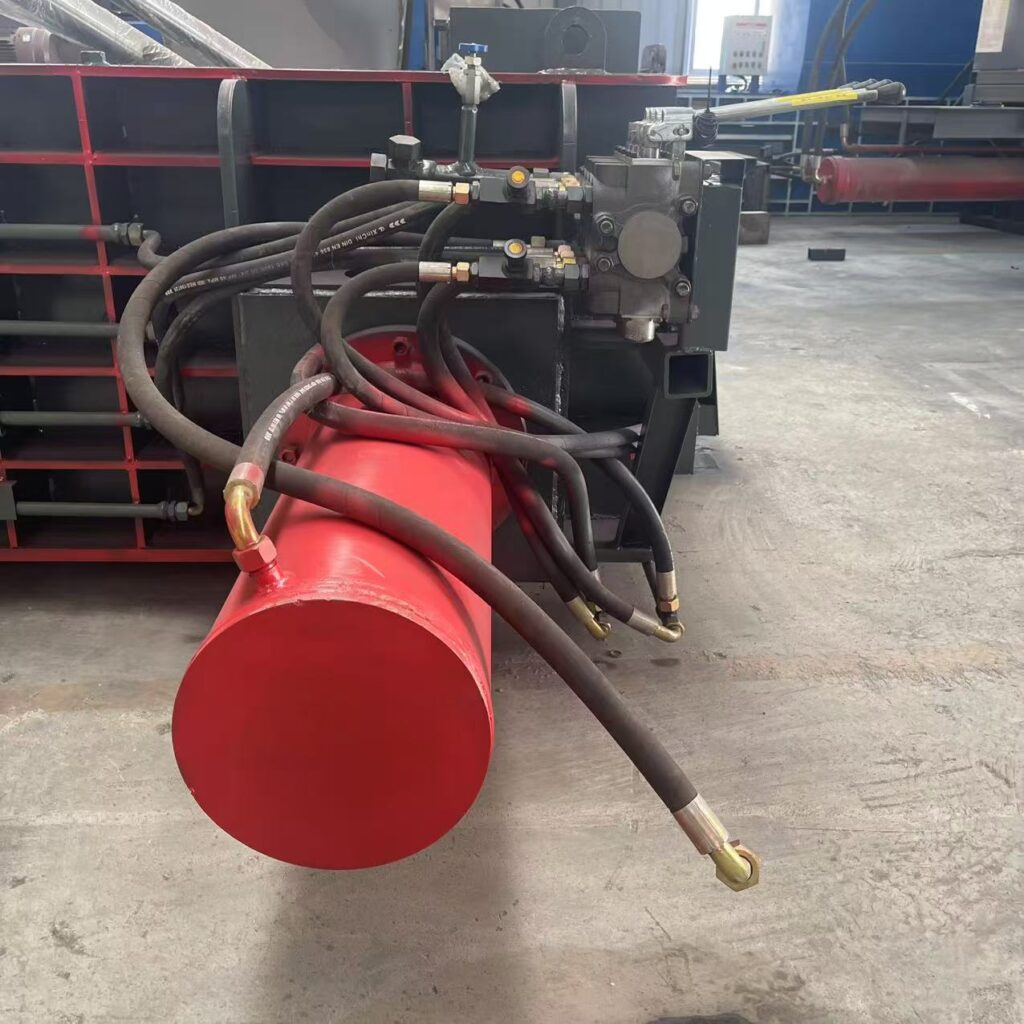
Operating a used metal baler is not difficult, but proper training and safety precautions are essential. Below are the general steps for using the machine effectively:
1. Preparation
Before starting, inspect the baler for any signs of damage, leaks, or loose connections. Ensure that the hydraulic oil is at the correct level and that all safety devices are functional.
2. Loading Scrap
Place the metal scrap into the feeding chamber. Depending on the model, this can be done manually or automatically using a conveyor or grab bucket. Always avoid overloading the machine to prevent damage.
3. Compression
Activate the hydraulic system using the control panel. The baler’s powerful hydraulic cylinder will compress the scrap into a dense block or bale. Some machines allow you to adjust the pressure and compression time based on material type.
4. Bale Ejection
Once the bale is formed, the machine will eject it through a side, front, or turnover system. The bale can then be tied with steel wire or straps for storage and transport.
5. Maintenance
Regular maintenance is the key to keeping a used baler in good condition. This includes checking hydraulic fluid levels, tightening bolts, cleaning filters, and lubricating moving parts. It’s also important to have a professional technician inspect the machine periodically.
How To Choose The Right Used Metal Baler Machine
Selecting the best used metal baler depends on your specific needs and operation scale. Here are some essential factors to consider:
1. Type Of Metal Scrap
Different balers handle different types of metals. For example:
-
Light metals (like aluminum cans or thin sheets) are suitable for vertical or small hydraulic balers.
-
Heavy metals (like steel plates, rebar, or car shells) require large horizontal or side-ejection balers.
2. Bale Size And Density
Choose a machine that can produce bales matching your transportation or smelting requirements. Higher density bales reduce transportation costs and increase storage efficiency.
3. Hydraulic Pressure
Hydraulic pressure determines how tightly the metal is compressed. Machines with higher tonnage (e.g., 100–400 tons) can handle thicker and harder materials. Make sure the baler’s pressure matches your scrap type and processing volume.
4. Automation Level
If you have a large-scale operation, consider a semi-automatic or fully automatic used baler with continuous feeding systems. For small workshops, a manual or vertical model may be sufficient.
5. Condition And Maintenance History
Before buying, always inspect the used baler’s overall condition. Ask for:
-
Service records and maintenance logs
-
Hydraulic system test results
-
Any replaced or upgraded parts
-
Operational demonstration videos
6. Supplier Reputation
Purchase from a reliable supplier or manufacturer who offers refurbished machines with warranties or after-sales service. A trustworthy seller ensures that the used baler meets safety and quality standards.
7. Cost Comparison: Used vs. New Metal Baler
When comparing used and new metal balers, the difference in price can be striking. A new automatic horizontal metal baler may cost more than $30,000, while a well-maintained used machine can be as low as half that amount. This price gap allows small recyclers to enter the market more easily and gives large companies the flexibility to expand their production lines. As long as you purchase from a reliable supplier and ensure proper refurbishment, a used metal baler can deliver the same level of compression, reliability, and efficiency as a new one.
Conclusion
A used metal baler machine is a practical and affordable solution for recycling businesses looking to improve their scrap handling efficiency. It helps compress bulky metal waste into dense, transportable bales, saving space, time, and money. By choosing a reliable used model, you can enjoy the same performance as a new machine — without the heavy price tag.
Whether you’re managing a small recycling facility or a large-scale metal processing plant, investing in a used hydraulic baler can significantly enhance your productivity and sustainability efforts. Always remember to evaluate your scrap type, capacity needs, and machine condition carefully before making your purchase.