
Looking for a cost-effective recycling solution? Discover what a used horizontal metal baler is, why it’s a smart choice, how to maintain it, and how to choose the right model for your business.
What Is A Used Horizontal Metal Baler
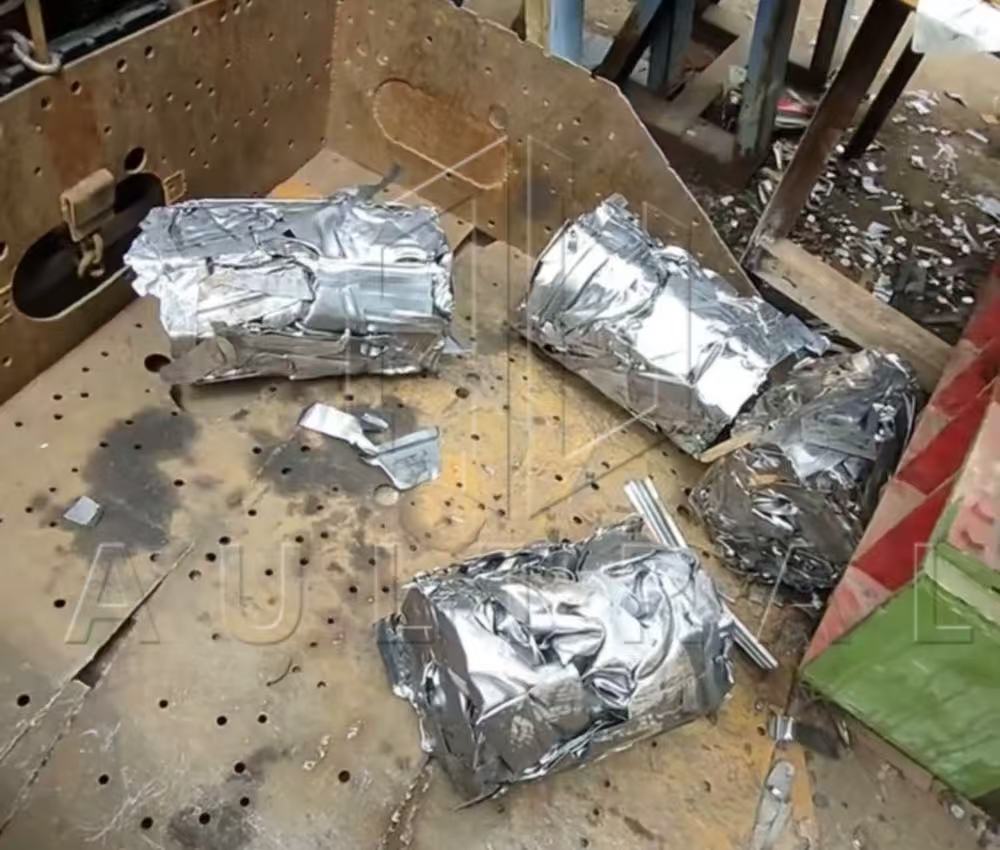
A used horizontal metal baler is a heavy-duty recycling machine designed to compress scrap metals such as steel, aluminum, copper, and iron into dense, uniform bales. The “horizontal” design means the compression direction is side-to-side, allowing continuous feeding and faster throughput than a vertical baler.
These machines are widely used in metal recycling plants, steel mills, and scrap yards where large quantities of waste metal need to be compacted for easier storage, handling, and transport.
A used metal baler simply refers to a pre-owned or refurbished unit. When purchased from a trusted supplier, it can still deliver excellent performance at a much lower cost. Reliable dealers often refurbish these machines — cleaning, replacing worn parts, and testing hydraulic systems — before reselling them to ensure safe and efficient operation.
Why Choose A Used Horizontal Metal Baler
1. Cost-Effective Recycling Solution
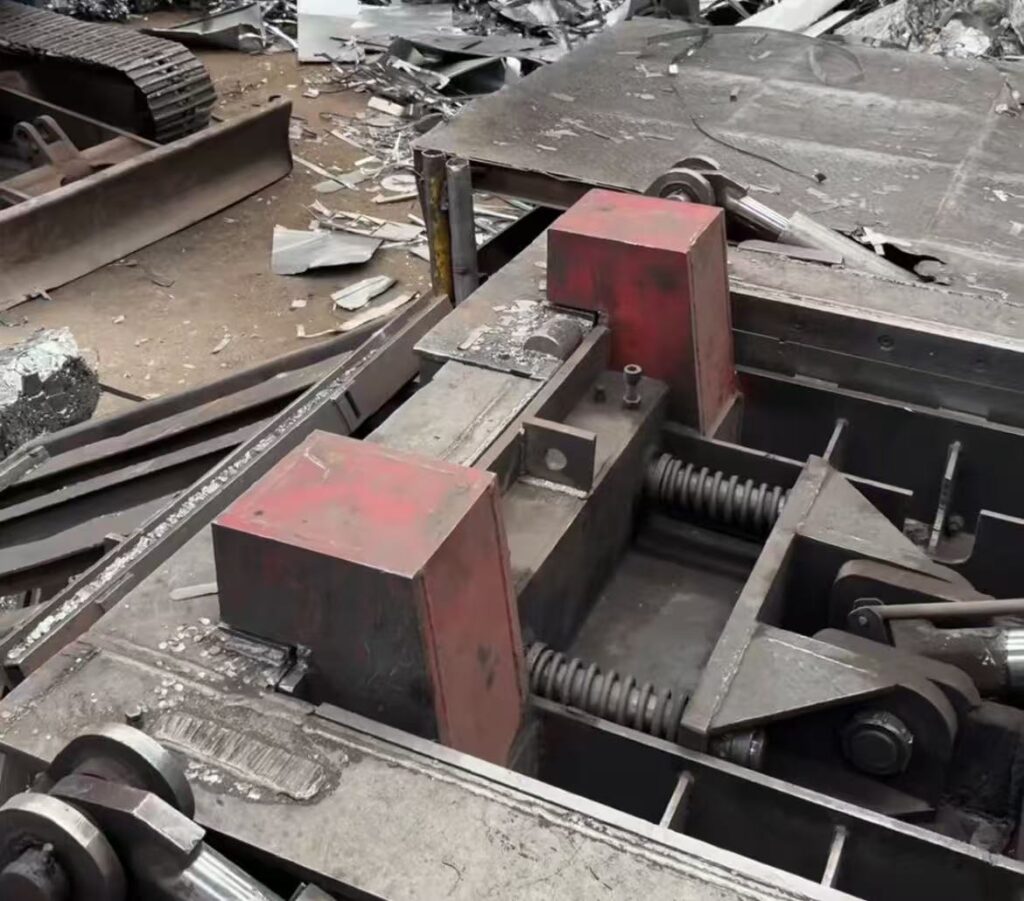
Buying a used metal baler for sale can save between 30% and 60% of the cost compared to a new model. This makes it ideal for recycling startups, small metal processing workshops, or businesses expanding production without high upfront investment.
2. Proven Performance
Used machines are often tried and tested in real-world conditions. When properly inspected and maintained, their performance is stable and reliable. Many come with updated parts and a limited warranty, offering both affordability and confidence.
3. Fast Delivery And Setup
Unlike new balers that require production time, used equipment is usually in stock and ready to ship. This means your recycling operation can start almost immediately, reducing downtime and boosting productivity.
4. Environmentally Responsible Choice
Choosing second-hand equipment supports sustainable recycling practices. It reduces the demand for new manufacturing and lowers carbon emissions, helping your business contribute to a cleaner, greener planet.
How To Use And Maintain A Used Horizontal Metal Baler
1. Installation And Operation
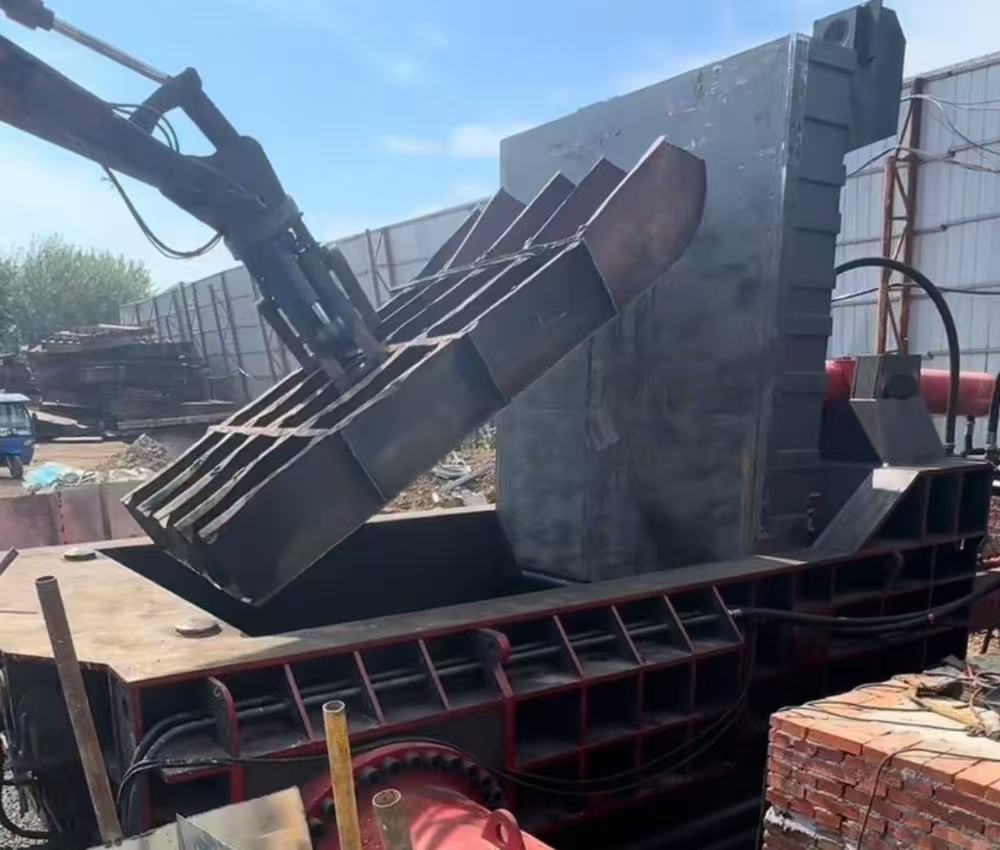
Install the baler on a solid, level surface, and ensure it is connected to a stable power supply. Fill the hydraulic system with the recommended oil, then run a few test cycles to confirm smooth operation.
Operating tips:
-
Feed metal evenly — avoid sudden overloading.
-
Keep the feed chamber clean and clear of debris.
-
Never exceed the rated compression pressure.
-
Always close the chamber door before compression starts.
Consistent and correct operation ensures safety and extends the lifespan of your used baler.
2. Regular Maintenance Checklist
Even a used machine can last many years with proper care. Follow these maintenance tips:
-
Check hydraulic oil weekly; replace it if it appears dark or contaminated.
-
Inspect cylinders and hoses for leaks or cracks.
-
Clean the chamber after each workday to avoid residue buildup.
-
Lubricate joints and hinges to ensure smooth movement.
-
Tighten bolts and wiring monthly to prevent vibration damage.
Good maintenance not only prevents downtime but also keeps your baler working efficiently for 5–10 more years.
3. Common Problems And Solutions
| Issue | Possible Cause | Solution |
|---|---|---|
| Low pressure | Low oil or weak pump | Refill oil or replace pump |
| Strange noise | Worn bearings or loose bolts | Tighten parts, replace bearings |
| Slow movement | Dirty oil filter | Clean or replace filter |
| Overheating | Poor ventilation | Ensure proper airflow and oil cooling |
A quick daily inspection can prevent most of these problems before they become serious.
How To Choose The Right Used Horizontal Metal Baler
1. Understand Your Material Type
Different scrap metals require different compression forces:
-
Aluminum cans, light profiles: Light-duty baler (50–80 tons)
-
Steel sheets, pipes: Medium-duty baler (100–150 tons)
-
Iron blocks, car shells: Heavy-duty baler (180–300 tons)
Matching the machine’s pressure and chamber size to your materials ensures optimal performance.
2. Review Key Specifications
When evaluating a used baler, always check:
-
Main cylinder pressure (tons)
-
Bale size (W × H × L)
-
Feeding chamber size
-
Motor power (kW)
-
Cycle time (seconds)
-
Hydraulic oil type and capacity
A balanced configuration ensures the machine meets your output and energy efficiency goals.
3. Inspect Machine Condition
Ask the supplier to provide detailed videos or photos of:
-
Hydraulic cylinders (no leaks)
-
Control panel (buttons and sensors working)
-
Blades and chamber (no corrosion or cracks)
-
Pump and motor (smooth, consistent operation)
Whenever possible, run a test cycle to see the baler in real action.
4. Verify After-Sales Support
A professional supplier of used balers should still provide:
-
Technical consultation and operation training
-
Spare parts and maintenance guidance
-
Optional warranty for refurbished units
-
Quick communication and service response
Good after-sales support guarantees long-term, worry-free operation.
Safety Tips When Operating A Used Metal Baler
-
Always wear gloves, helmets, and safety glasses.
-
Keep a safe distance during the compression process.
-
Shut down the power before inspecting or repairing the machine.
-
Train operators on proper emergency shutdown procedures.
Safety should always come before speed or productivity.
Refurbishment And Long-Term Value
When buying a used horizontal metal baler, one of the most important factors to consider is whether the equipment has been professionally refurbished. A reliable refurbishment process involves complete disassembly, part replacement, hydraulic system cleaning, and testing under working load conditions. This ensures that the used baler can perform as efficiently and safely as a brand-new unit.
In fact, many well-refurbished balers are upgraded with new hydraulic pumps, seals, electrical systems, and PLC controls, which improve reliability and energy efficiency. Some suppliers even repaint the frame and install new wear plates, giving the machine a fresh appearance and longer service life.
The value of a refurbished machine lies not only in its price but also in its low maintenance cost and proven stability. With proper usage, a quality used metal baler can operate continuously for 8–10 years, providing excellent return on investment. This makes it a smart choice for recycling businesses aiming to grow sustainably without heavy capital spending.
Final Thoughts
A used horizontal metal baler offers a perfect balance of affordability, reliability, and sustainability. With proper inspection, usage, and maintenance, it can perform just as well as a new machine — saving you money while supporting environmentally responsible metal recycling.
Before purchasing, evaluate your material type, output volume, and space requirements. Partnering with an experienced manufacturer like Aultral Machinery ensures that every machine — whether new or used — is tested, reliable, and built to last.