
A gantry shear machine is a type of hydraulic metal cutting equipment designed to cut large and heavy metal scraps into smaller, manageable sizes. It features a gantry-style frame — a robust overhead structure that allows the shear blade to move vertically with strong hydraulic pressure. This design gives it both stability and power, making it ideal for processing scrap steel, iron plates, structural beams, and other heavy metal materials.
Unlike alligator shears or small metal cutters, gantry shears can handle high-volume and thick metal scraps in scrapyards, recycling plants, and steel processing facilities. The powerful hydraulic cylinders ensure clean, precise cuts with minimal deformation of the material.
Why Use A Gantry Shear Machine?
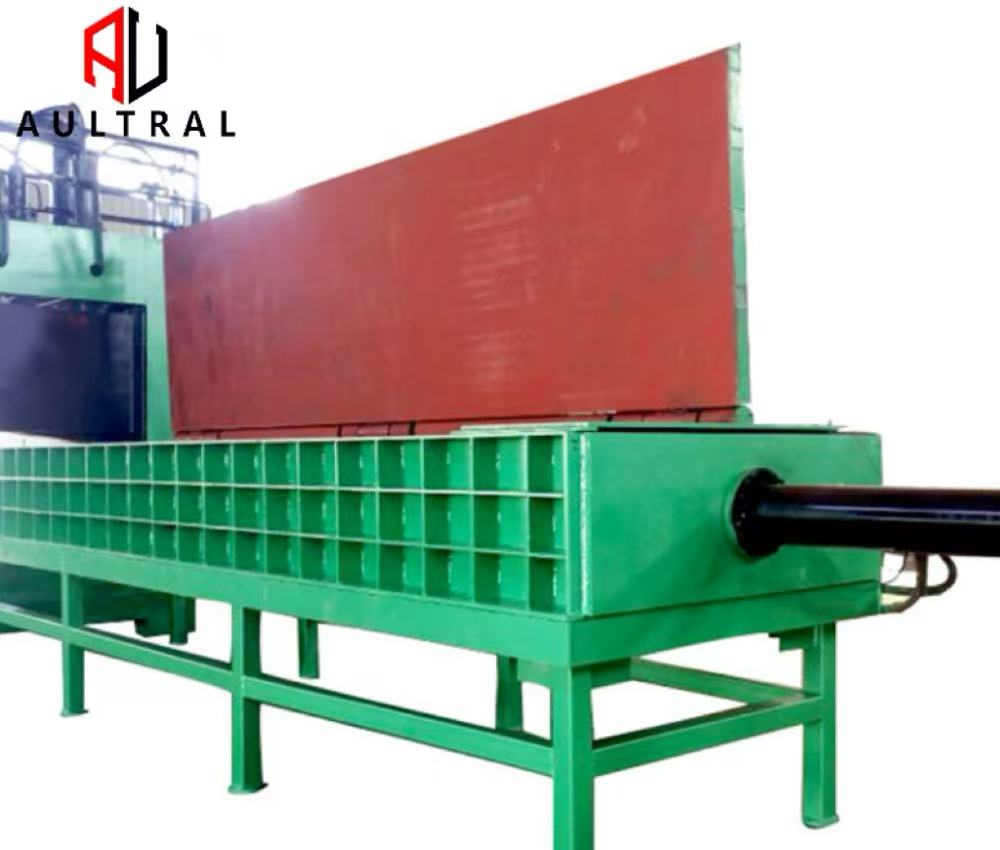
1. High Cutting Efficiency
Gantry shears are built for heavy-duty industrial applications. They can cut several tons of metal per hour, making them suitable for continuous operation in metal recycling yards and steel plants. The large cutting area and strong hydraulic force drastically reduce manual labor and improve production efficiency.
2. Superior Cutting Power
Thanks to their high-pressure hydraulic system, these machines can easily cut through thick steel plates, I-beams, round bars, and heavy scrap bundles that smaller machines can’t handle. The strong clamping and shearing force ensure smooth, precise cuts without excessive wear on the blades.
3. Durable and Reliable Structure
The gantry frame design provides excellent stability and vibration resistance. Most models are built using high-strength steel and wear-resistant blades, ensuring long-term performance even under continuous heavy workloads.
4. Wide Application Range
A gantry shear is not limited to scrap metal yards. It is also widely used in:
-
Steel mills for processing defective or leftover steel bars.
-
Metal recycling plants for cutting large waste materials into small pieces before melting.
-
Manufacturing industries for recycling and material preparation.
-
Demolition projects where thick steel structures need to be cut down safely and efficiently.
5. Cost-Effective Recycling
By using a gantry shear, companies can reduce transportation and storage costs since smaller metal pieces are easier to handle and transport. It also increases the value of scrap by ensuring uniform sizes, which simplifies melting and remanufacturing processes.
How To Use A Gantry Shear Machine

Although each model may vary, the general operation process is straightforward and highly automated.
Step 1: Preparation
Before starting, check the hydraulic oil level, blade condition, and power connection. Make sure all safety devices and limit switches are functioning properly. Operators should wear proper protective gear, including gloves, helmets, and safety glasses.
Step 2: Feeding The Material
Place the scrap metal or steel plate on the feeding table or conveyor belt. For automatic systems, hydraulic pushers or cranes will feed the materials into the cutting area. Always ensure the material is aligned properly with the cutting blade.
Step 3: Cutting Operation
Once the material is in position, press the start or cut button. The hydraulic cylinders will drive the gantry down, and the blades will cut through the metal cleanly. Many modern gantry shears allow adjustable cutting lengths and automatic repeat cycles, ensuring consistent results.
Step 4: Discharge And Collection
After cutting, the processed materials automatically fall onto a discharge conveyor or collection bin. They can then be transported to the next stage — sorting, baling, or smelting.
Step 5: Maintenance
Regular maintenance ensures long service life:
-
Check hydraulic oil levels and replace oil every few months.
-
Inspect and sharpen blades periodically.
-
Tighten bolts and check for leaks in hydraulic lines.
-
Clean the machine after each use to prevent buildup of metal debris.
Guide To Choosing The Right Gantry Shear Machine

Choosing the right gantry shear model depends on your material type, cutting requirements, and production capacity. Here are key factors to consider:
1. Cutting Force
Measured in tons (T), the cutting force determines the maximum thickness and strength of the material the machine can handle.
-
Light-duty: 400–600 tons (for thin steel sheets and medium scraps)
-
Medium-duty: 800–1000 tons (for thicker plates and structural steel)
-
Heavy-duty: 1200–2000+ tons (for heavy industrial scraps and beams)
Choose the cutting force according to the toughness and size of your scrap materials.
2. Blade Length
The blade length (commonly 1200mm–2000mm) determines the maximum width of the material that can be cut in one stroke. Longer blades are ideal for wide sheets, while shorter blades are suitable for compact scrap.
3. Automation Level
Modern gantry shears can be:
-
Manual type – cost-effective but requires manual feeding.
-
Semi-automatic – includes hydraulic feeding and cutting control.
-
Fully automatic – includes auto-feeding, cutting, and discharging systems, ideal for high-volume recycling plants.
4. Hydraulic System Quality
The heart of a gantry shear is its hydraulic power unit. Look for machines with high-quality hydraulic pumps and valves to ensure stable performance and low maintenance.
Pure copper motors and imported seals can greatly extend the service life of the hydraulic system.
5. Material Of The Blades
Blades should be made of high-strength alloy steel (such as 9CrSi or 6CrW2Si). These materials provide excellent wear resistance and maintain sharpness over long operating periods.
6. Safety Features
Safety should never be overlooked. Choose a machine equipped with:
-
Emergency stop buttons
-
Protective covers and fences
-
Limit switches
-
Hydraulic pressure relief systems
7. After-Sales Service
Reliable manufacturers offer comprehensive after-sales support, including spare parts supply, installation guidance, and technical training. This ensures long-term stability and lower downtime.
Tips For Maximizing Efficiency
-
Group materials by size and thickness before cutting to reduce adjustments.
-
Avoid overloading — cutting materials thicker than the rated capacity can damage the blades.
-
Keep the hydraulic oil clean to prevent pressure loss or system failure.
-
Schedule regular inspections — early detection of wear or leakage prevents costly breakdowns.
Conclusion: The Future Of Heavy Scrap Processing
In today’s recycling industry, efficiency, safety, and sustainability are more important than ever. A gantry shear machine embodies all three — providing the power to cut large metal scraps, the precision to maintain quality, and the automation to reduce labor costs.
Whether you are a scrap recycling company, steel manufacturer, or demolition contractor, investing in a reliable gantry shear can significantly improve your material processing efficiency and profitability.
If you are considering purchasing one, take time to evaluate your cutting needs, production volume, and available space. A well-chosen gantry shear machine is not just a piece of equipment — it’s the backbone of a modern recycling operation.