
Introduction To Lithium Battery Recycling
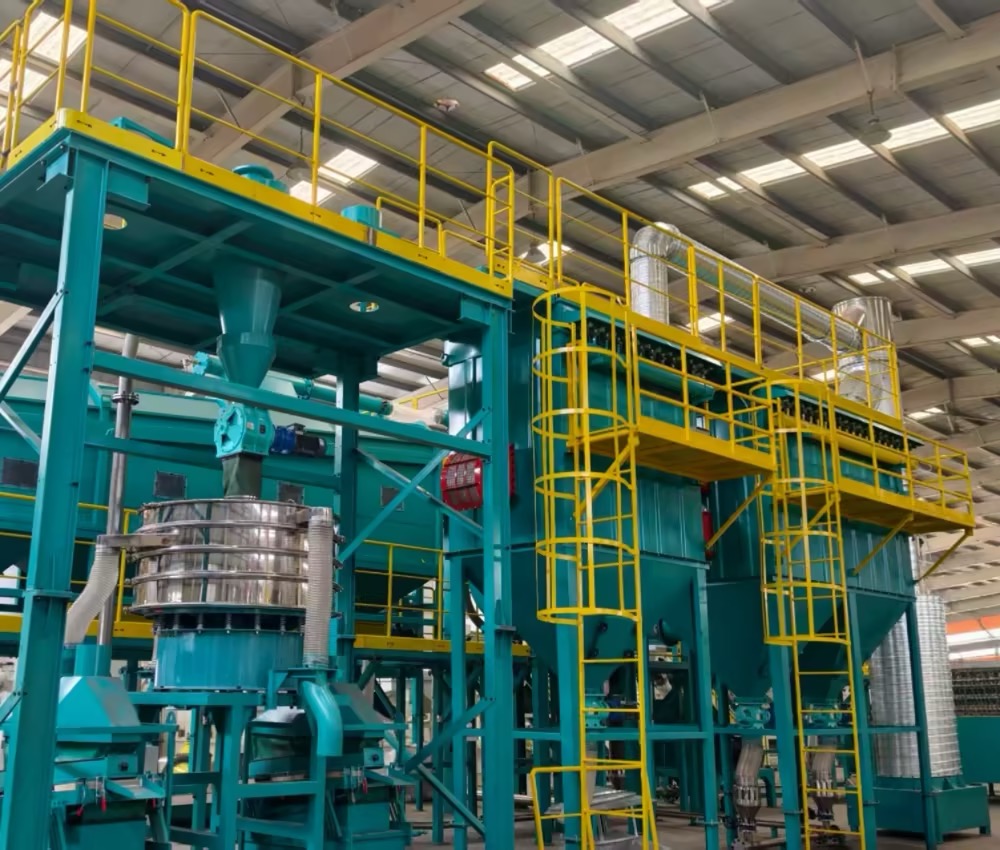
With the rapid growth of electric vehicles (EVs), consumer electronics, and renewable energy storage systems, lithium batteries have become ubiquitous. However, discarded lithium batteries pose serious environmental hazards due to their toxic chemicals and heavy metals. To address this, lithium battery recycling production lines have emerged as a vital solution, allowing companies to safely recover valuable materials while protecting the environment.
A lithium battery recycling production line is an integrated system that processes used or defective lithium-ion batteries, separating them into reusable metals, plastics, and electrolytes. This not only reduces pollution but also creates a profitable business opportunity by recovering high-value metals like lithium, cobalt, and nickel.
Why Lithium Battery Recycling Is Important
Environmental Protection
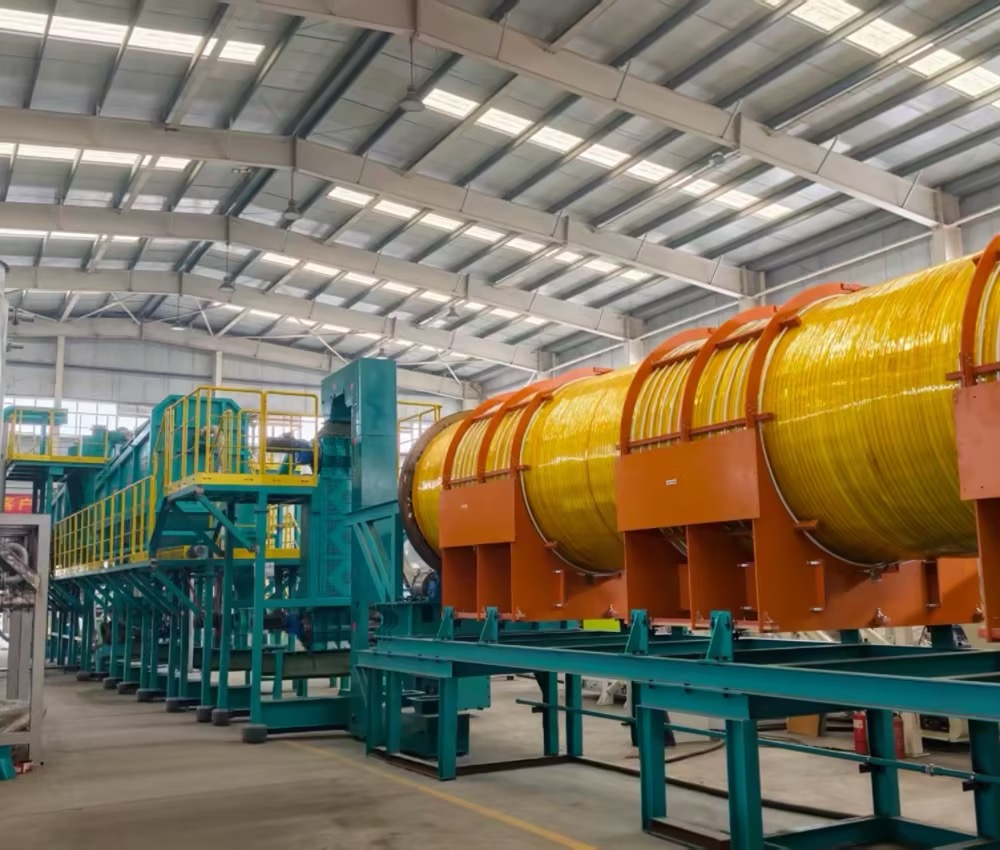
Lithium batteries contain harmful chemicals that can contaminate soil and water if disposed of improperly. Recycling prevents environmental pollution by safely processing these materials.
Resource Recovery
Lithium, cobalt, nickel, and other metals in batteries are finite resources. Recycling allows these materials to be extracted and reused, reducing the need for mining and lowering production costs for new batteries.
Regulatory Compliance
Many countries have strict regulations on battery disposal and recycling. Implementing a lithium battery recycling production line ensures compliance with environmental and safety standards, avoiding fines and legal risks.
Economic Benefits
Recovered materials from lithium batteries are highly valuable. By operating a recycling production line, businesses can sell metals like lithium, cobalt, and nickel to battery manufacturers or metal refineries, generating significant revenue.
How Lithium Battery Recycling Production Lines Work
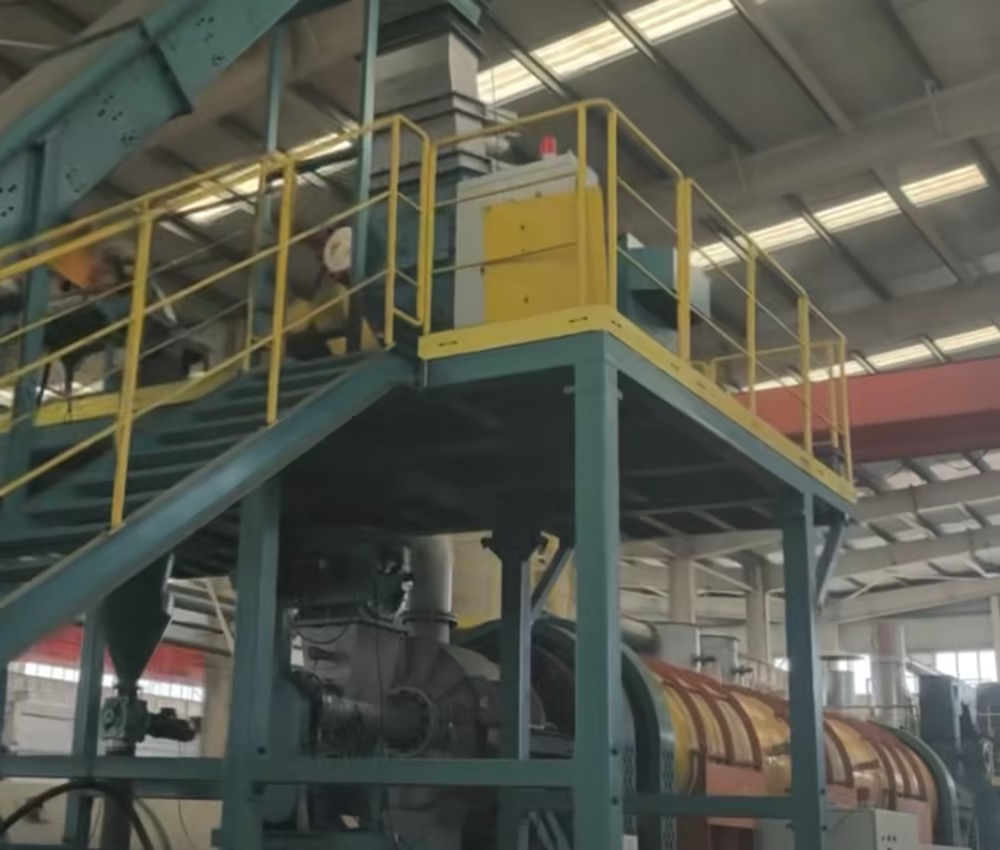
A standard lithium battery recycling production line includes several key stages:
1. Battery Sorting And Inspection
Used batteries are first collected and manually or automatically sorted by type, capacity, and condition. This ensures the recycling process is safe and efficient, as damaged or unstable batteries can be hazardous.
2. Discharging And Safety Handling
Before processing, batteries are fully discharged to avoid the risk of fire or explosion. Specialized equipment ensures safe handling of batteries, particularly those with high voltage or large capacity.
3. Shredding And Crushing
Batteries are shredded or crushed into smaller pieces. Double-shaft shredders are commonly used for this step because they can handle various battery types, including cylindrical, pouch, and prismatic cells.
4. Separation Of Materials
After crushing, different materials are separated using various methods:
- Magnetic Separation: Removes ferrous metals.
- Air Classification: Separates light and heavy fractions.
- Water or Chemical Separation: Extracts non-ferrous metals like lithium, cobalt, and nickel.
- Electrostatic Separation: Further purifies recovered metals.
5. Refining And Purification
Recovered metals are refined to remove impurities and achieve the required industrial grade. The final products can be reused in new battery manufacturing or sold directly to metal markets.
6. Waste Disposal
Non-recoverable materials, including plastics and residual chemicals, are treated according to environmental regulations to ensure safe disposal.
How To Use A Lithium Battery Recycling Production Line
Operating a lithium battery recycling line requires trained personnel and strict adherence to safety protocols:
- Pre-Inspection: Ensure incoming batteries are properly sorted and safe to handle.
- Controlled Discharge: Fully discharge batteries using specialized tanks or resistors.
- Shredding: Feed batteries into a double-shaft or multi-shaft shredder.
- Separation: Use magnetic, air, and chemical methods to separate metals, plastics, and electrolytes.
- Collection: Collect recovered metals for refining and storage.
- Cleaning: Clean the equipment regularly to prevent contamination or fire hazards.
- Documentation: Maintain records for regulatory compliance and tracking recycled materials.
Tips For Choosing The Right Model
When selecting a lithium battery recycling production line, consider the following factors:
1. Capacity And Throughput
- Small-Scale Lines: Suitable for research labs or small workshops (50–500 kg/h).
- Medium-Scale Lines: Ideal for regional recycling centers (500–2,000 kg/h).
- Large-Scale Lines: For industrial applications, processing more than 2,000 kg/h.
2. Shredder Type
- Single-Shaft Shredders: Simple structure, suitable for soft batteries.
- Double-Shaft Shredders: High efficiency, handle mixed battery types safely.
- Multi-Shaft Shredders: Best for high-volume industrial recycling.
3. Safety Features
- Automatic fire suppression systems.
- Explosion-proof shredders.
- Battery discharge tanks with temperature monitoring.
4. Material Separation Technology
- High-quality separation equipment ensures better recovery rates for lithium, cobalt, and nickel.
- Advanced chemical separation units increase metal purity and reduce waste.
5. Automation And Control
- Fully automated lines reduce labor costs and improve safety.
- PLC control systems allow real-time monitoring and easy operation.
Conclusion
A lithium battery recycling production line is not only essential for environmental protection but also a profitable business opportunity. By safely processing used batteries, companies can recover valuable metals, comply with regulations, and contribute to sustainable development.
Choosing the right production line depends on your capacity needs, battery types, and safety requirements. With proper operation, a lithium battery recycling line can transform hazardous waste into high-value resources, making it an indispensable part of the modern recycling industry.