
What Is A Double-Lifting Chamber Baler?
In the modern recycling and textile processing industry, efficiency and storage management are becoming more important than ever. Whether you are dealing with cotton fiber, textile scraps, short fiber, fabric waste, or soft recyclable materials, choosing the right baling equipment can significantly improve your production efficiency and reduce transportation costs.
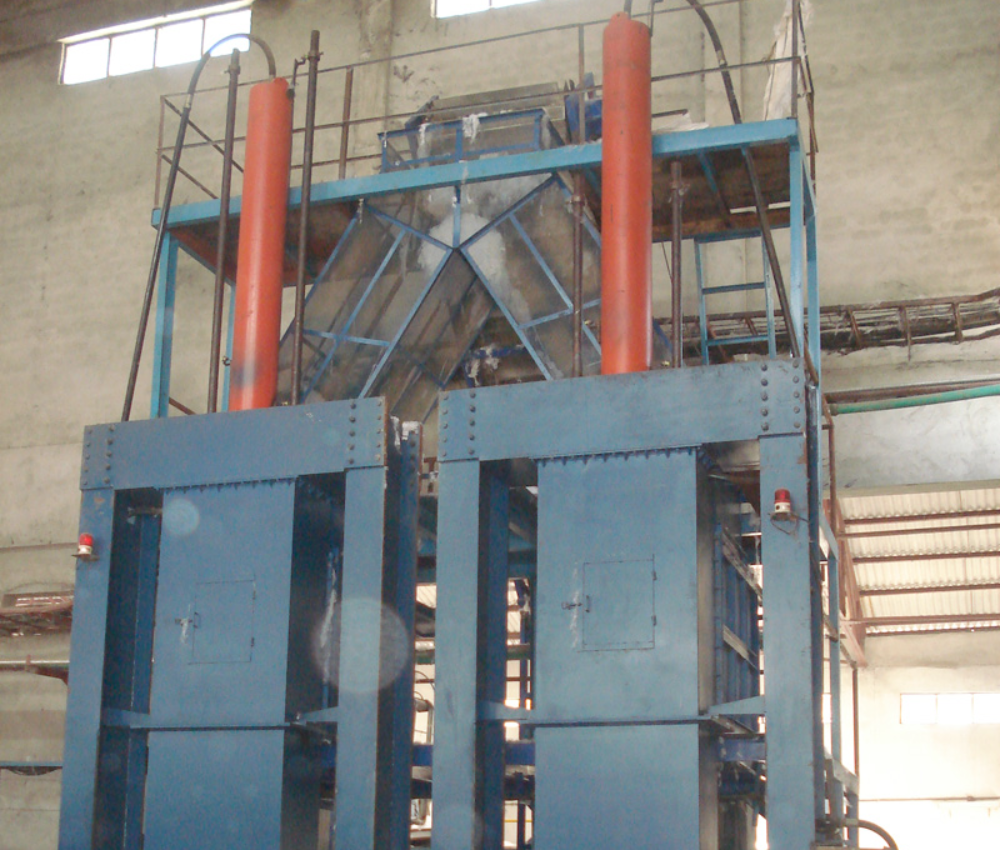
A Double-Lifting Chamber Baler, also known as a Parallel Double Box Baler or Dual-Chamber Hydraulic Baler, is a high-efficiency hydraulic packaging machine specially designed for short fiber production lines and soft material compression.
This machine compresses cut fibers, cotton, textile waste, and similar materials into compact and uniform bales for easier transportation, storage, and handling.
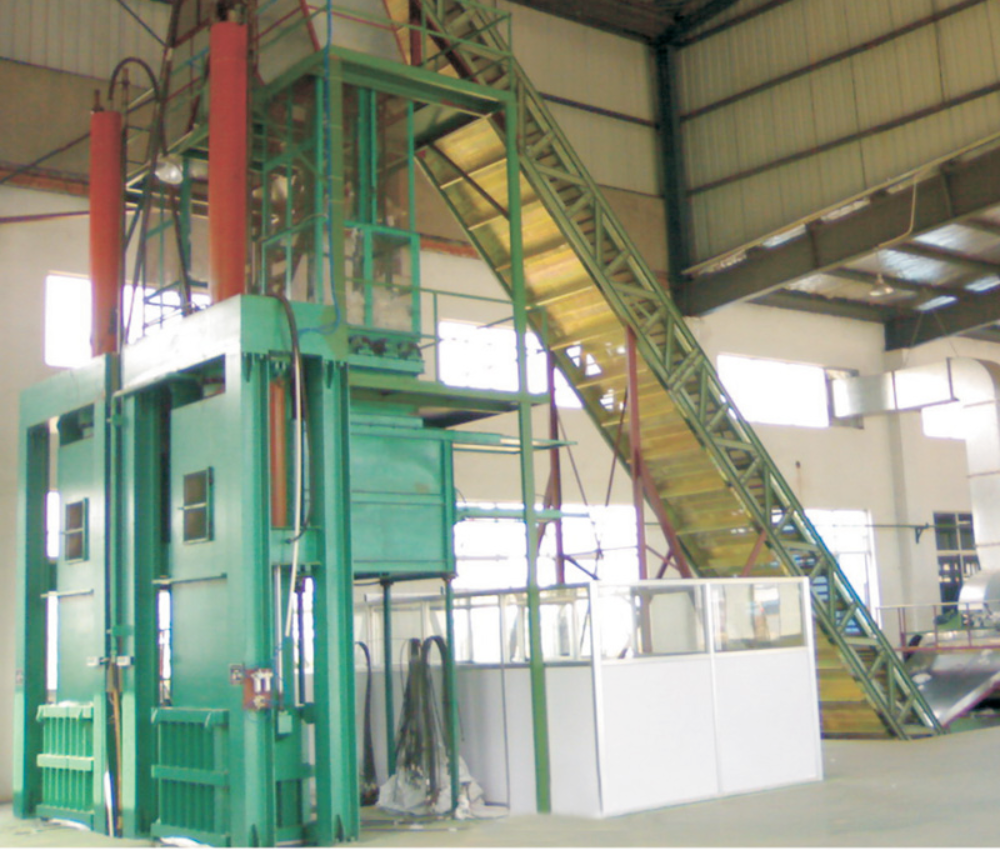
Unlike traditional single-chamber balers, the double-lifting chamber design allows operators to load materials into one chamber while the other chamber is compressing. This continuous operation greatly increases productivity and reduces downtime.
For factories handling large volumes of lightweight materials every day, this machine has become an essential part of modern recycling and textile packaging operations.
Why More Recycling Plants Are Choosing Double-Lifting Chamber Balers
Continuous Feeding Improves Productivity
One of the biggest advantages of the double-lifting chamber baler is continuous feeding capability.
Traditional balers often require workers to stop feeding materials during compression cycles. This interruption reduces working efficiency and increases labor costs.
With a dual-chamber system, one chamber can continue receiving materials while the other is compressing and bundling. This design allows near non-stop operation, making it ideal for factories with high daily production demands.
For businesses processing textile waste, short fibers, or cotton scraps, this feature can dramatically increase output without increasing labor.
High-Density Bales Save Transportation Costs
Loose fiber materials occupy a large amount of storage space and are expensive to transport.
After compression by the double-lifting chamber baler, the materials become dense and compact bales that are much easier to stack, store, and ship.
The machine can produce bales weighing approximately 250KG each, helping customers optimize container loading and reduce logistics expenses.
Compact bales also improve warehouse cleanliness and make inventory management easier.
Ideal For Short Fiber Production Lines
This machine is specially designed for short fiber production lines.
Its primary function is to compress cut fibers or cotton into standardized bales with fixed dimensions and stable density.
These finished bales are convenient for:
- Transportation
- Long-term storage
- Export shipping
- Recycling processing
- Warehouse management
Because of its stable hydraulic pressure system, the machine can handle soft and fluffy materials very effectively.
Stable Hydraulic System For Heavy-Duty Operation
A high-quality hydraulic system is the core of every industrial baler.
The double-lifting chamber baler uses a heavy-duty hydraulic structure that provides stable pressure and reliable long-term performance.
Key hydraulic advantages include:
- Strong compression force
- Stable operating speed
- Lower maintenance requirements
- Long service life
- Reduced machine vibration
For factories operating continuously every day, equipment stability directly affects production efficiency and profits.
Main Applications Of Double-Lifting Chamber Balers
Textile Recycling Industry
Textile recycling companies use this machine to compress:
- Used clothes
- Fabric scraps
- Cotton waste
- Yarn waste
- Textile offcuts
The compressed bales are easier to transport to recycling facilities or export markets.
Cotton Fiber Processing Plants
Cotton processing factories often deal with loose fiber materials that require compact packaging.
The baler helps compress cotton into standardized bale sizes while protecting the material quality.
Garment Manufacturing Factories
Garment factories generate large amounts of leftover fabric and cutting scraps every day.
Instead of occupying valuable factory space, these materials can be compressed into dense bales for recycling or resale.
Waste Management Companies
Waste management and recycling stations use double-chamber balers to reduce waste volume and improve operational efficiency.
The machine is especially suitable for soft recyclable materials that are difficult to store in loose form.
How Does A Double-Lifting Chamber Baler Work?
Step 1: Material Feeding
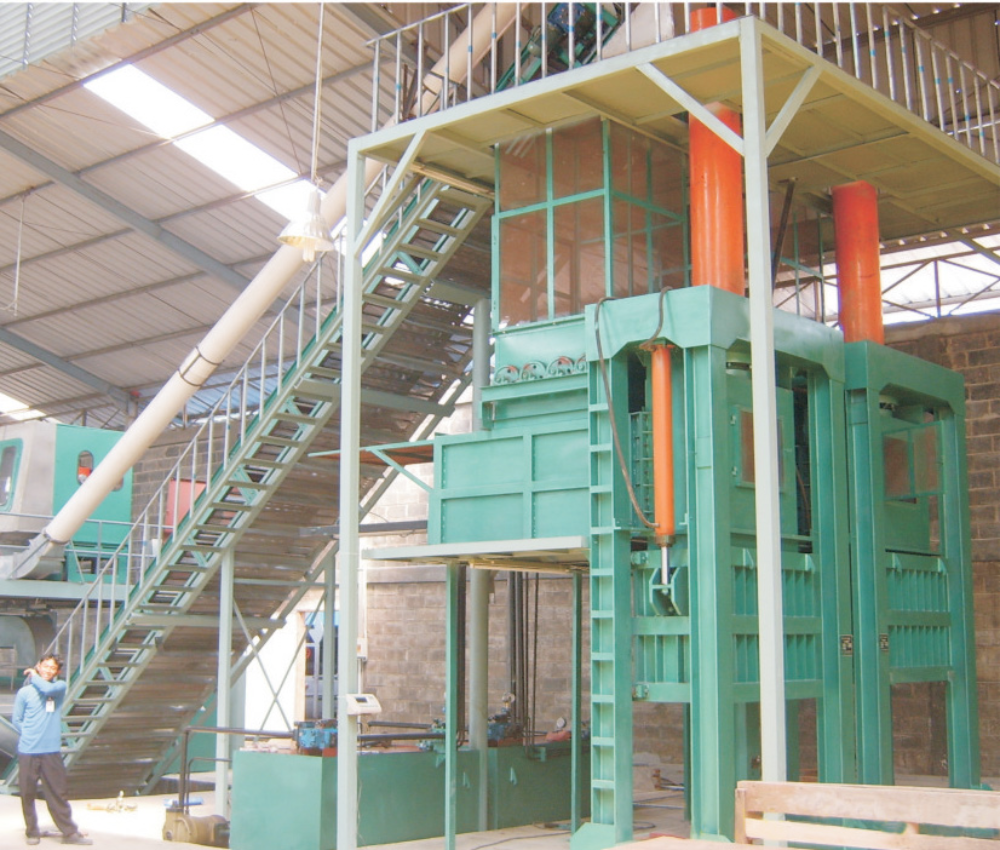
Workers or conveyor systems feed loose fibers, cotton, or textile waste into one of the chambers.
Because the machine uses a dual-chamber structure, feeding can continue without stopping production.
Step 2: Hydraulic Compression
Once enough material is loaded, the hydraulic cylinders apply powerful pressure to compress the material into a dense bale.
The machine ensures consistent bale density and stable bale size.
Step 3: Bale Binding
After compression, workers use straps or wires to tie the bale securely.
This helps maintain bale shape during storage and transportation.
Step 4: Bale Ejection
The finished bale is ejected from the chamber and moved to storage or shipping areas.
The entire process is fast, efficient, and suitable for continuous industrial production.
Production Capacity And Bale Specifications
The double-lifting chamber baler is designed for medium and large-scale industrial operations.
Typical production performance includes:
- Bale Weight: Approximately 250KG
- Daily Output: 20–25 Tons
- Suitable Materials:
- Short fibers
- Cotton
- Textile waste
- Fabric scraps
- Used clothing
- Soft recyclable materials
This production capacity makes the machine highly suitable for factories requiring stable daily processing capability.
How To Choose The Right Double-Lifting Chamber Baler
Consider Your Daily Production Volume
The first thing to evaluate is your daily material output.
If your factory processes large quantities of textile waste every day, a double-chamber design is highly recommended because it supports continuous operation.
For smaller businesses, lower-capacity models may be more cost-effective.
Check Bale Weight Requirements
Different markets require different bale sizes.
Some customers prefer smaller bales for easier manual handling, while others prefer heavier bales to maximize shipping efficiency.
A 250KG bale is often considered an ideal balance between transportation efficiency and handling convenience.
Evaluate Material Type
Different materials have different compression characteristics.
For example:
- Cotton requires stable pressure
- Textile scraps may need stronger compression
- Soft fibers require larger feeding openings
Always choose a machine specifically designed for the materials you process most frequently.
Focus On Hydraulic System Quality
A reliable hydraulic system determines the machine’s lifespan and operational stability.
High-quality hydraulic components reduce:
- Oil leakage
- Downtime
- Maintenance costs
- Energy consumption
Factories running long production hours should prioritize hydraulic durability.
Consider Automation Level
Some factories prefer manual feeding, while others use automatic conveyor feeding systems.
Modern double-lifting chamber balers can often be integrated with:
- Conveyor systems
- Fiber cutting lines
- Automatic feeding devices
- Automated bale transportation systems
Choosing the correct automation level can improve efficiency and reduce labor costs.
Advantages Compared With Traditional Single-Chamber Balers
Faster Working Speed
Because feeding and compression can happen simultaneously, production speed is significantly higher.
Reduced Labor Intensity
Workers spend less time waiting for compression cycles to finish.
Better Space Utilization
Compact high-density bales reduce storage area requirements.
Lower Transportation Expenses
More compressed materials can fit inside trucks and containers.
Improved Factory Cleanliness
Loose fibers and textile scraps can quickly create messy working environments.
Compressed bales help factories maintain cleaner and safer operations.
Future Trends In Textile Recycling Equipment
As global environmental awareness continues to grow, textile recycling is becoming an increasingly important industry.
Many countries are encouraging:
- Waste reduction
- Textile recycling
- Sustainable manufacturing
- Circular economy solutions
Double-lifting chamber balers are expected to play a major role in improving recycling efficiency and reducing waste transportation costs.
Factories investing in advanced baling equipment today will gain stronger competitive advantages in the future recycling market.
Final Thoughts
The Double-Lifting Chamber Baler is an efficient, reliable, and practical solution for modern textile recycling and fiber packaging operations.
With continuous feeding capability, strong hydraulic compression, and stable bale production, this machine helps businesses improve efficiency while reducing labor and transportation costs.
Whether you are operating a textile recycling plant, cotton processing factory, garment manufacturing facility, or waste management company, investing in the right baling equipment can significantly improve your operational performance.
With a bale weight of approximately 250KG and a daily production capacity of 20–25 tons, the double-lifting chamber baler offers an ideal balance of productivity, reliability, and cost-effectiveness for industrial recycling applications.