
When it comes to efficiently processing and compacting metal scrap, a 1000 Ton Metal Baler stands out as one of the most powerful machines in the industry. Whether you’re a metal recycler, a manufacturing facility, or a waste management business, understanding the capabilities and usage of this equipment is essential. In this guide, we’ll explore what a 1000 Ton Metal Baler is, why it’s important, how to use it, and provide some essential tips for selecting the right model for your needs.
What Is a 1000 Ton Metal Baler?
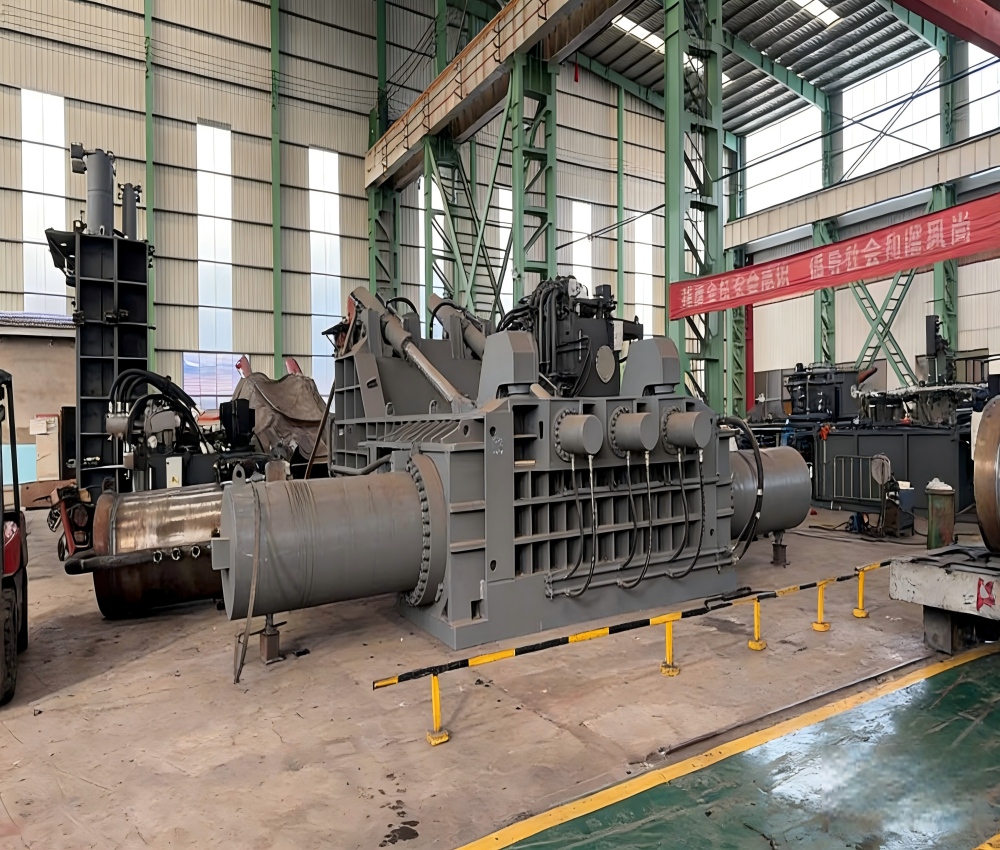
A 1000 Ton Metal Baler is a high-capacity machine designed to compress and bind large quantities of metal scrap into compact bales. These bales are easier to store, handle, and transport compared to loose scrap material. The 1000 Ton capacity refers to the force that the machine can apply to compress the metal, typically used for processing heavy-duty materials like steel, aluminum, copper, and other metals.
Metal balers come in various sizes and capacities, with the 1000 Ton version being one of the most powerful available. These machines are commonly used in industries such as recycling, manufacturing, and demolition to reduce metal waste volumes and optimize storage and shipping processes.
Key Features of a 1000 Ton Metal Baler:
-
High Compression Force: With 1000 tons of force, these balers can handle even the toughest metal scraps.
-
Automatic Operation: Most models feature automated controls for ease of use.
-
Heavy-duty Construction: Built to withstand continuous use and heavy-duty materials.
-
Versatile Processing: Suitable for a wide range of metal materials, including ferrous and non-ferrous metals.
Why Do You Need a 1000 Ton Metal Baler?
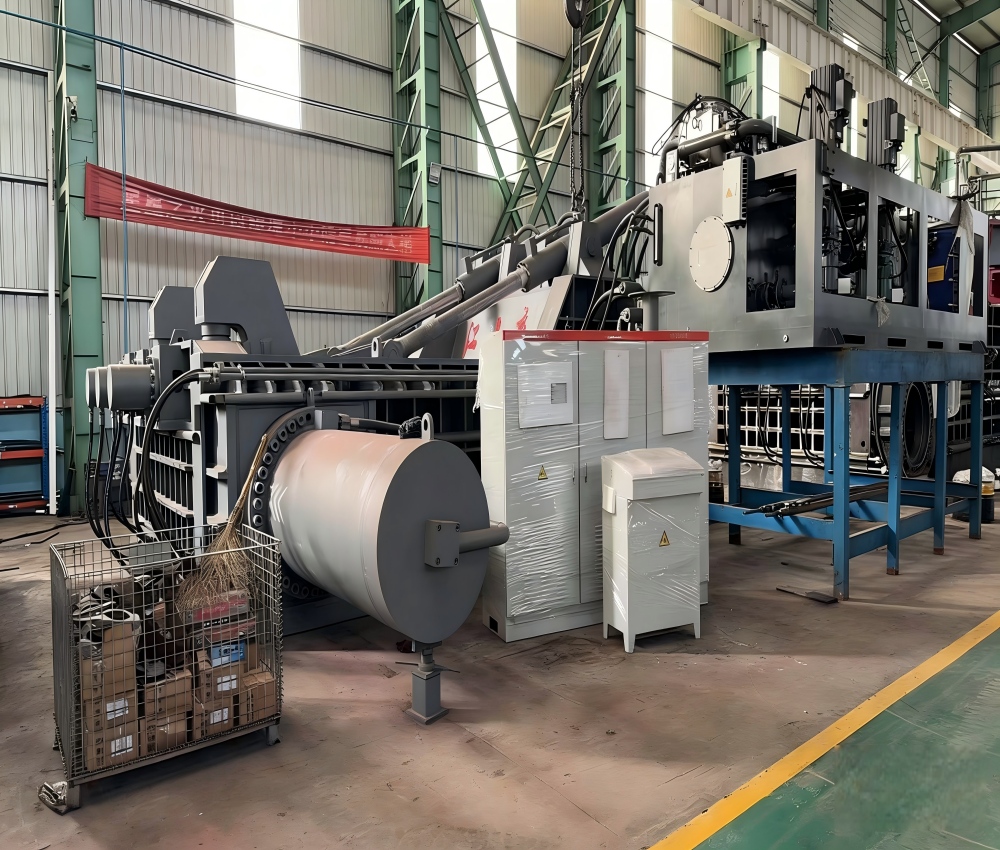
The need for a 1000 Ton Metal Baler arises from several challenges faced by industries dealing with metal waste. Let’s break down why investing in such a powerful machine is beneficial.
1. Maximized Efficiency
In metal recycling, time is money. A 1000 Ton Metal Baler speeds up the process by compacting large amounts of scrap metal into easily manageable bales. This allows for faster processing, reducing labor costs and improving the turnaround time for your operations.
2. Space Optimization
Storing loose scrap metal can take up a significant amount of space. By compressing metal waste into compact bales, you can maximize your storage area, making it more efficient and organized. This is especially important for businesses with limited space or those involved in large-scale recycling operations.
3. Transportation Cost Savings
Transporting loose metal scrap can be expensive due to the large volume of space it occupies. By converting the scrap into bales, transportation costs decrease since more material can fit into each load. Bales are also easier to handle, which can further reduce costs related to labor and machinery during transportation.
4. Improved Environmental Impact
Recycling metal has a significant positive environmental impact by reducing the need for virgin metal extraction. By using a 1000 Ton Metal Baler, you can increase the volume of metal scrap recycled and help reduce the environmental footprint of your business.
5. Increased Profit Margins
Recycling facilities often earn higher prices for well-processed, compact metal bales compared to loose scrap. With a baler that compacts the material into a consistent and dense form, you can increase the market value of your scrap metal.
How to Use a 1000 Ton Metal Baler
Operating a 1000 Ton Metal Baler is relatively straightforward, especially with the modern models that come with automated controls. However, proper training and safety procedures must be followed to ensure the equipment operates at its best. Here’s a step-by-step guide on how to use the machine.
1. Preparation
-
Inspect the Baler: Before starting, ensure that the machine is clean and free of debris. Check the hydraulic system, motor, and all components to ensure everything is functioning correctly.
-
Prepare the Material: Sort the metal scrap to ensure it is free from contaminants such as plastic, rubber, or other non-metal materials. This step improves the efficiency of the baling process and protects the baler from damage.
2. Loading the Scrap
-
Feed the Scrap into the Baler: Depending on the machine’s design, you may load the metal scrap manually or using a conveyor system. Make sure the material is evenly distributed to ensure consistent compression.
3. Setting the Baling Parameters
-
Adjust the Bale Size: Many 1000 Ton Metal Balers allow you to customize the size of the bale. Adjust the settings according to your requirements.
-
Select the Compression Force: Depending on the type of metal being processed, you may need to adjust the compression force. For example, heavier metals like steel may require higher force compared to lighter metals like aluminum.
4. Operating the Baler
-
Start the Machine: With the settings in place, initiate the baling process. Most machines will automatically compact the scrap and form it into a bale.
-
Monitor the Process: Keep an eye on the process to ensure everything is running smoothly. If the machine stops unexpectedly or there is an issue with the material, stop the process and check for blockages or malfunctions.
5. Ejecting the Bale
-
Once the bale is formed, the machine will eject it either automatically or manually depending on the model. Make sure the area is clear before ejecting the bale to avoid damage to the machine or injury to personnel.
6. Post-Processing
-
After the bale is ejected, it can be stored or prepared for shipment. Make sure to label the bales appropriately, especially if they contain mixed metals or require special handling.
How to Choose the Right Model of 1000 Ton Metal Baler
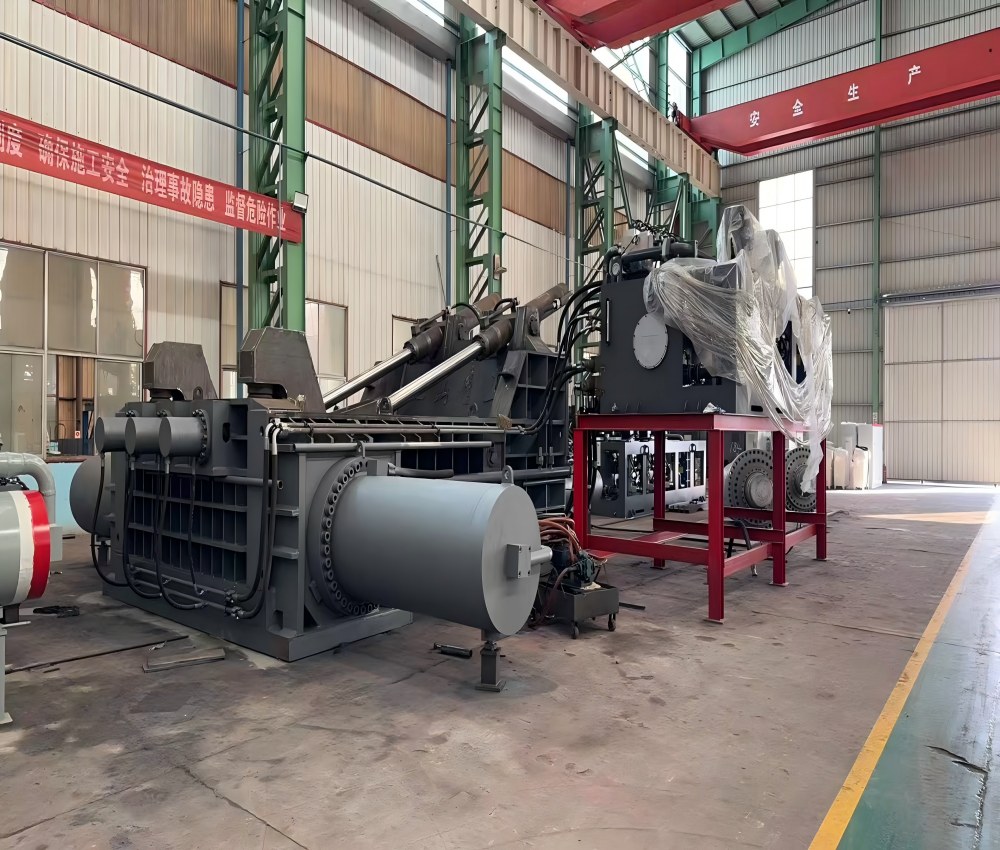
Choosing the right model for your needs can be tricky, especially with so many options available. Here are some essential factors to consider when selecting a 1000 Ton Metal Baler for your business.
1. Type of Material to Be Processed
Different balers are suited for different materials. Some balers are better equipped to handle non-ferrous metals like aluminum, copper, or brass, while others are designed for ferrous metals such as steel. Make sure to choose a machine that can handle the specific types of metal you plan to process.
2. Automation Level
Some balers are fully automated, while others require manual operation for certain steps. If you’re looking for high throughput with minimal labor, an automated 1000 Ton Metal Baler is the best choice. However, if you have a smaller operation or limited budget, semi-automatic models may suffice.
3. Bale Size and Shape
Consider the size and shape of the bales you need to produce. If you’re working with smaller-scale operations, a machine that produces compact, smaller bales may be enough. However, larger operations may need larger bales for efficient transportation and storage.
4. Energy Efficiency
Given the size and power of a 1000 Ton Metal Baler, it’s important to choose a model that is energy-efficient. Look for features such as variable speed drives, energy-saving hydraulic systems, and motors that reduce power consumption during idle times.
5. Safety Features
Safety should always be a priority when selecting any industrial equipment. Look for balers with safety interlocks, emergency stop functions, and secure covers to prevent accidental injuries.
6. Maintenance Requirements
A 1000 Ton Metal Baler requires regular maintenance to ensure optimal performance. Check the manufacturer’s recommendations for maintenance schedules, and consider models that offer easy access to parts for repairs and servicing.
Conclusion: Making the Right Investment in Your Business
A 1000 Ton Metal Baler can significantly enhance your operations, whether you’re in the recycling business, manufacturing, or waste management. By improving efficiency, saving space, and reducing costs, it provides excellent value for your investment. However, it’s crucial to carefully select the right model that suits your specific needs and operational requirements.
Now that you understand the importance, functionality, and usage of a 1000 Ton Metal Baler, it’s time to make an informed decision. With proper usage and maintenance, this powerful machine can help streamline your processes and bring significant benefits to your business.