
Introduction: Transform Your Recycling Process
In today’s fast-paced recycling and waste management industry, efficiency, safety, and reliability are key. One machine that stands out in streamlining operations is the Horizontal Fully Automatic Baler. From compacting bulky materials to creating manageable bales, this machine has transformed how businesses handle recyclables. In this blog, we will explore what a horizontal fully automatic baler is, why it is essential, how to use it effectively, and tips for selecting the right model for your needs.
What Is A Horizontal Fully Automatic Baler?
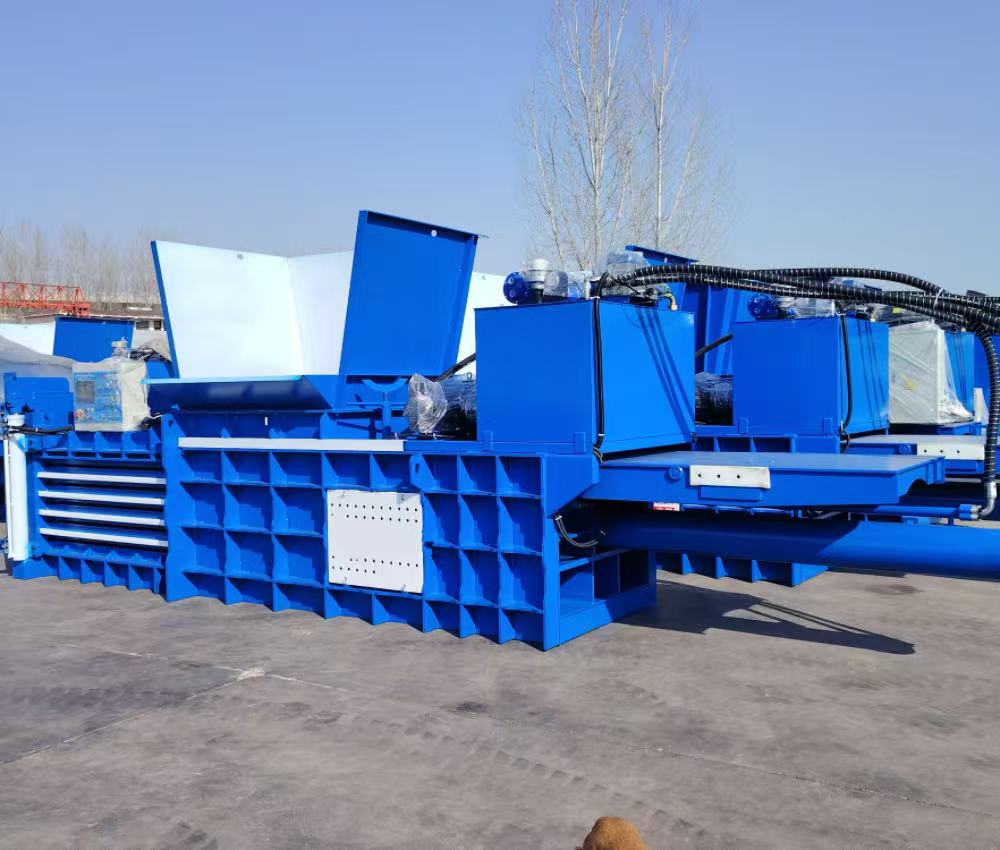
A Horizontal Fully Automatic Baler is a type of industrial equipment designed to compress materials such as cardboard, paper, plastics, metals, and other recyclables into dense, compact bales. Unlike manual or semi-automatic balers, the horizontal fully automatic version reduces labor requirements and increases production efficiency.
Key Features Include:
-
Automatic Feeding: Material is fed into the machine via conveyors without manual handling.
-
Hydraulic Press System: Uses hydraulic cylinders to exert strong compression forces.
-
Automatic Bale Tying: Bales are tied with wire or straps automatically.
-
Continuous Operation: Can run 24/7 in industrial settings, ideal for high-volume operations.
This machine is perfect for factories, recycling centers, and warehouses looking to optimize space, reduce waste management costs, and improve workplace safety.
Why Should You Use A Horizontal Fully Automatic Baler?
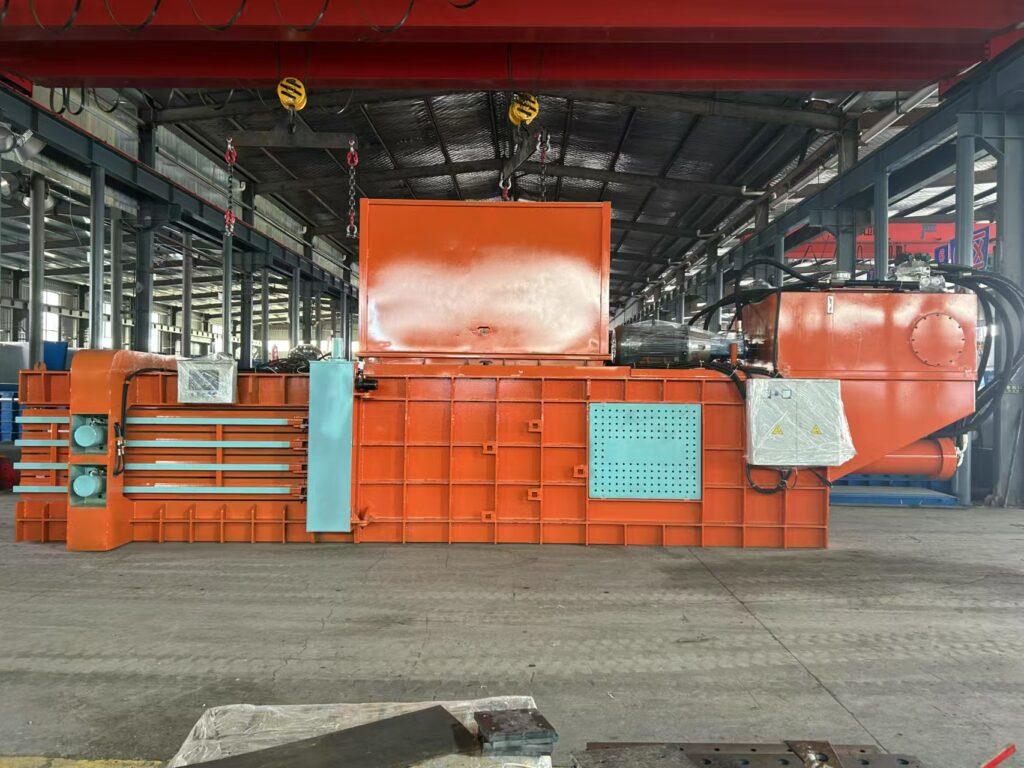
Using a horizontal fully automatic baler brings multiple benefits:
1. Enhanced Efficiency
Manual baling is slow and labor-intensive. With automatic feeding and compression, a fully automatic baler can produce hundreds of bales per day, saving significant time and manpower.
2. Space Optimization
By compressing materials into dense bales, this machine reduces storage space requirements, helping warehouses and recycling centers store more materials in less area.
3. Cost Savings
Less labor, lower transportation costs (due to denser bales), and reduced disposal fees lead to substantial cost savings over time.
4. Improved Safety
Manual handling of heavy materials poses injury risks. Automatic balers minimize direct contact, keeping your workforce safer.
5. Environmental Benefits
Efficient baling reduces the volume of waste transported and promotes recycling, supporting green and sustainable operations.
How To Use A Horizontal Fully Automatic Baler
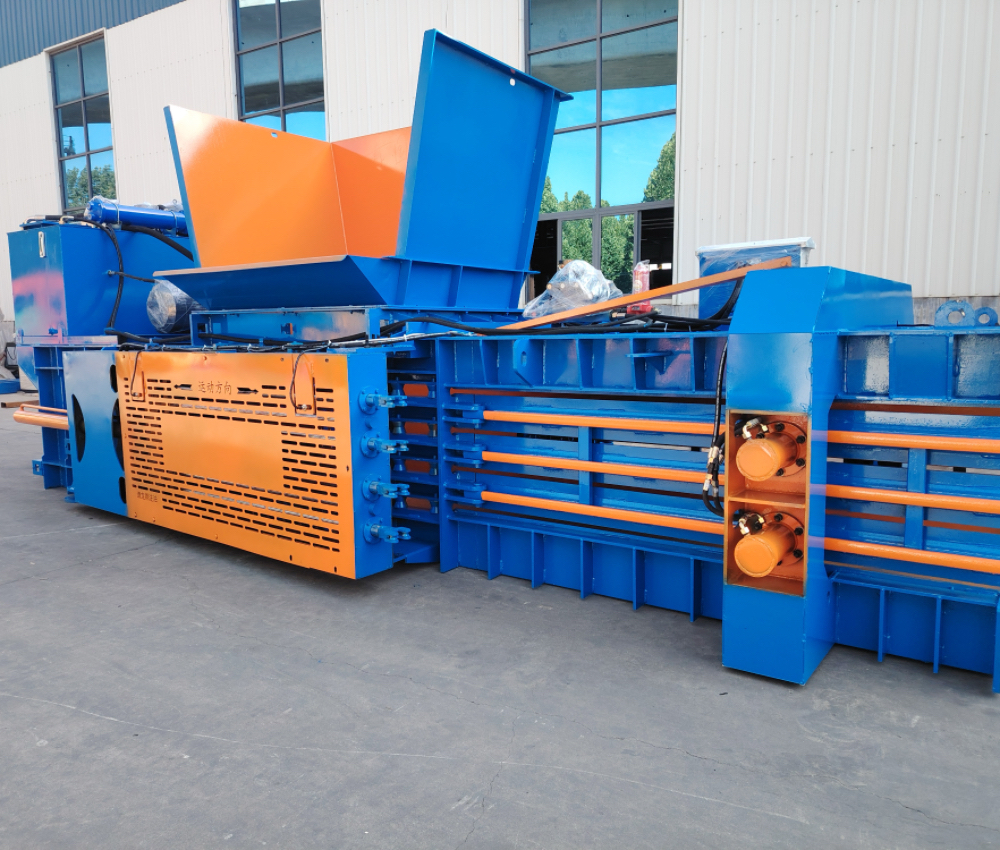
Operating a horizontal fully automatic baler is straightforward but requires adherence to safety and operational guidelines.
Step 1: Prepare The Materials
Sort materials according to type—paper, cardboard, plastic, or metal. Ensure no foreign objects (e.g., metals in cardboard) are present.
Step 2: Load The Feeding Conveyor
Place materials on the feeding conveyor. The automatic feeder will move them into the compression chamber.
Step 3: Set Machine Parameters
Adjust settings such as:
-
Bale Size: Length, width, and height
-
Compression Pressure: Depending on material type
-
Tie Lines: Number of wire or strap lines per bale
Step 4: Start Automatic Baling
Press the start button. The baler will automatically feed, compress, and tie bales. Monitor the machine to ensure smooth operation.
Step 5: Remove Bales
Once bales are tied, they are pushed out of the discharge area. Stack or transport bales for storage or shipping.
Safety Tips
-
Always wear protective gear.
-
Avoid overloading the feeder.
-
Keep hands away from the compression chamber.
-
Regularly inspect hydraulic and electrical systems.
How To Choose The Right Horizontal Fully Automatic Baler
Selecting the right baler depends on your operational needs. Consider the following factors:
1. Material Type
-
Paper & Cardboard: Lower compression force required.
-
Plastic & PET: Medium compression force; ensure anti-slip feeding system.
-
Metal Scrap: High compression force needed; durable construction essential.
2. Bale Size And Weight
-
Small bales (30–50 kg) are easier to handle manually.
-
Large bales (100–500 kg) optimize space and transportation costs but may require forklifts.
3. Production Capacity
Estimate your daily throughput to choose a machine that meets your demand. Machines range from 1–10 tons per hour.
4. Power And Hydraulic System
-
Electric motor power affects compression speed.
-
High-quality hydraulic systems ensure consistent performance and lower maintenance.
5. Automatic Features
-
Fully automatic feeding and tying reduce labor.
-
Some machines include sensors and PLC controls for smart operations.
6. Budget And After-Sales Service
Consider your budget but also factor in long-term support, spare parts availability, and warranty coverage.
Real-World Applications Of Horizontal Fully Automatic Balers
Horizontal fully automatic balers are widely used in various industries beyond traditional recycling. Here are some common applications:
1. Paper And Cardboard Recycling
Printing factories, packaging plants, and e-commerce warehouses produce large volumes of cardboard and paper waste daily. Using a horizontal fully automatic baler allows them to quickly compress waste into uniform bales, reducing storage space and lowering disposal costs.
2. Plastic And PET Bottles
Plastic recycling plants often struggle with bulky PET bottles and packaging films. The baler compresses loose plastic into dense bales, making transportation and processing much easier. Some advanced balers include anti-slip rollers and automated feeding systems to prevent jams.
3. Metal Scrap Handling
Scrap metal such as aluminum, copper, and steel can take up enormous space if left unprocessed. High-pressure horizontal balers compress metal into tightly bound bales, saving warehouse space and improving transportation efficiency.
4. Textile And Fabric Waste
Textile manufacturers often generate large amounts of offcuts, defective fabric, or second-hand clothing. Horizontal fully automatic balers reduce fabric volume by up to 80%, making storage and shipping more cost-effective.
Maintenance Tips For Long-Term Performance
Regular maintenance is crucial to keep your horizontal fully automatic baler operating efficiently:
-
Hydraulic System Care: Check oil levels and replace hydraulic fluid regularly to ensure smooth compression.
-
Blade And Wire Maintenance: Inspect bale tying wires and cutting blades for wear and tear. Replace them promptly to prevent production interruptions.
-
Electrical Components: Ensure all sensors, PLC controls, and motors are functioning correctly.
-
Cleaning: Keep the feeding and discharge areas free from debris to avoid jams and damage.
By following a maintenance schedule, the baler can last 10+ years with consistent performance.
Tips For Increasing Baling Efficiency
To maximize efficiency, consider these practical tips:
-
Pre-Sorting Materials: Separating materials before feeding into the baler reduces machine jams and improves compression consistency.
-
Monitor Feed Rate: Avoid overloading; excessive material can slow down automatic cycles or cause mechanical issues.
-
Optimize Bale Size: Select bale dimensions that match your transportation and storage capacity for faster logistics.
-
Train Operators: Properly trained operators can prevent errors, reduce downtime, and extend machine lifespan.
Conclusion: Why Every Recycling Business Needs One
A horizontal fully automatic baler is not just a tool—it is an investment in efficiency, safety, and sustainability. Whether you handle paper, plastics, metals, or textiles, this machine allows you to:
-
Reduce labor costs
-
Save storage space
-
Improve safety and environmental compliance
-
Streamline transportation
By carefully choosing the right model, maintaining it regularly, and optimizing operations, your business can achieve higher productivity and lower operational costs.
Investing in a horizontal fully automatic baler is a step towards modern, smart, and profitable recycling operations.