
Aluminum is one of the most valuable and widely recycled metals in the world. From beverage cans and window frames to automotive parts and industrial scrap, aluminum plays a critical role in modern manufacturing. However, efficient recycling does not happen by accident. It requires a well-designed Aluminum Crushing And Separation System that can process mixed materials, improve purity, and maximize recovery value.
In this comprehensive guide, we will explore what an aluminum crushing and separation system is, why it is essential, how it works, how to use it effectively, and how to choose the right model for your business.
What Is An Aluminum Crushing And Separation System?
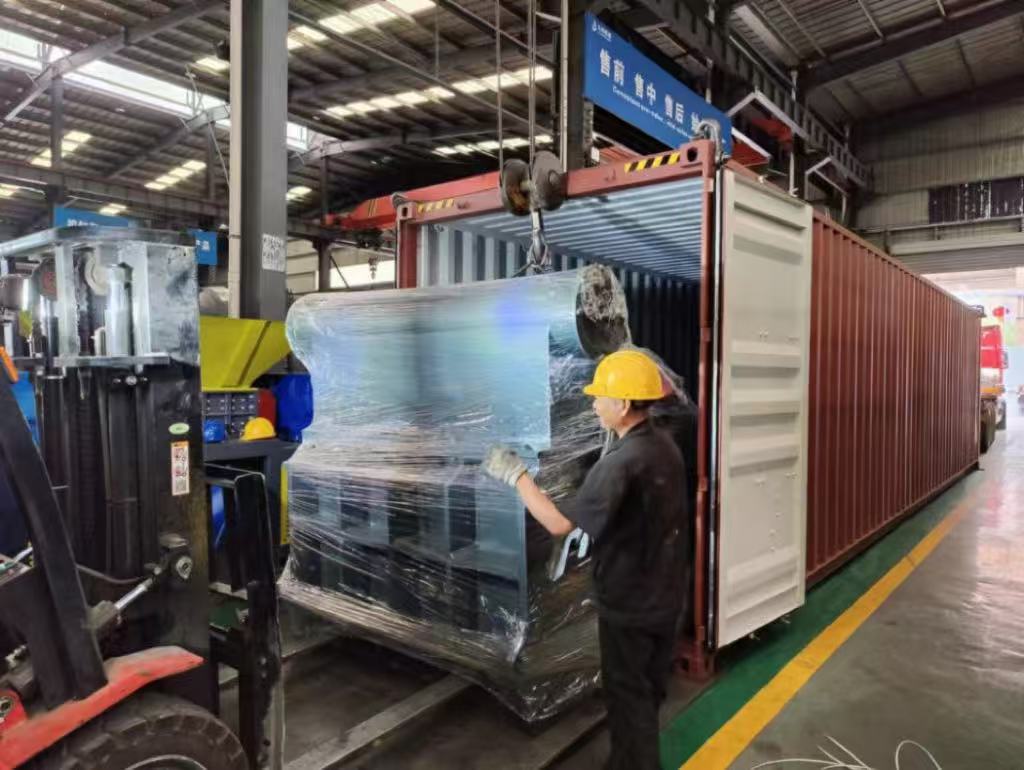
An Aluminum Crushing And Separation System is an integrated processing line designed to:
-
Reduce the size of aluminum materials
-
Liberate aluminum from mixed waste
-
Separate aluminum from non-metal materials
-
Improve purity and resale value
The system typically includes the following core equipment:
-
Feeding Conveyor
-
Shredder Or Crusher
-
Hammer Mill Or Secondary Crusher
-
Magnetic Separator (For Ferrous Removal)
-
Eddy Current Separator (For Non-Ferrous Separation)
-
Air Separator Or Density Separator
-
Vibrating Screen
-
Dust Collection System
This complete line is commonly used for:
-
Aluminum profiles and window frames
-
Aluminum scrap from factories
-
UBC (Used Beverage Cans)
-
Aluminum with plastic or rubber attachments
-
Aluminum engine parts
-
Light mixed metal scrap
The goal is simple: achieve high aluminum purity and maximize recycling profits.
Why Aluminum Crushing And Separation Is Important
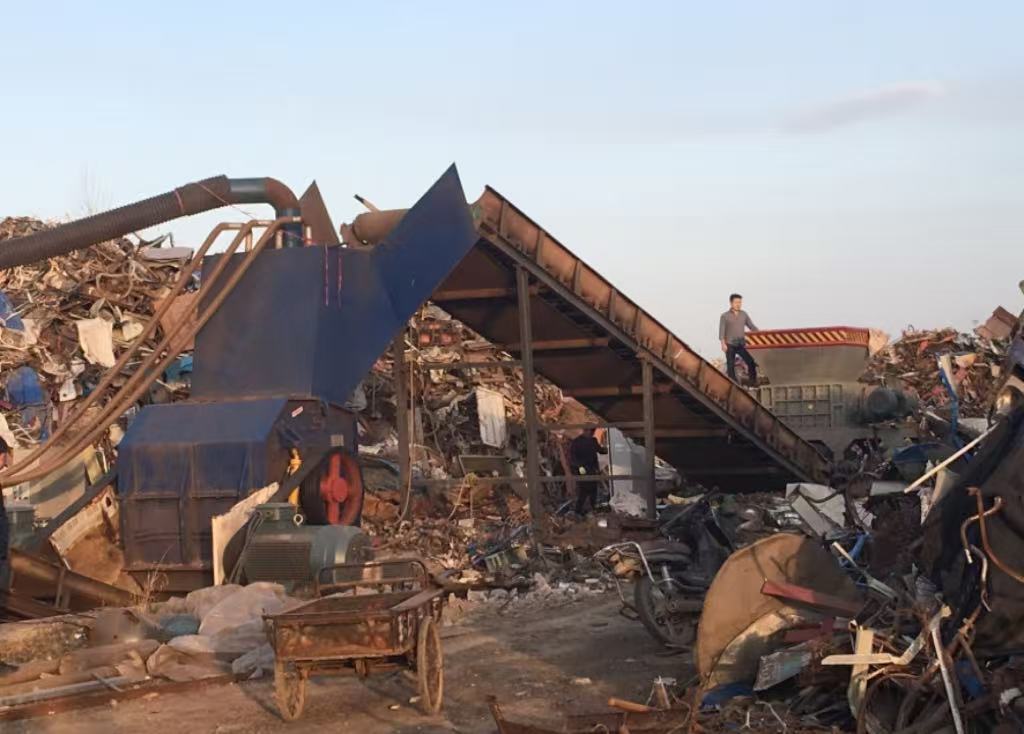
High Economic Value
Aluminum has strong market demand and relatively stable global pricing. Clean aluminum scrap with high purity can command significantly higher prices than mixed or contaminated scrap.
If separation is incomplete, buyers may downgrade the material grade, reducing profit margins.
Energy Savings
Recycling aluminum uses up to 95% less energy compared to primary aluminum production from bauxite ore. Efficient crushing and separation directly support energy conservation and carbon reduction goals.
Environmental Protection
Without proper processing, mixed aluminum waste may end up in landfills. A crushing and separation system reduces waste volume and enables material recovery, supporting circular economy practices.
Improved Downstream Efficiency
Clean, well-sized aluminum scrap melts faster and more uniformly in furnaces. This reduces slag formation and increases smelting efficiency.
How An Aluminum Crushing And Separation System Works
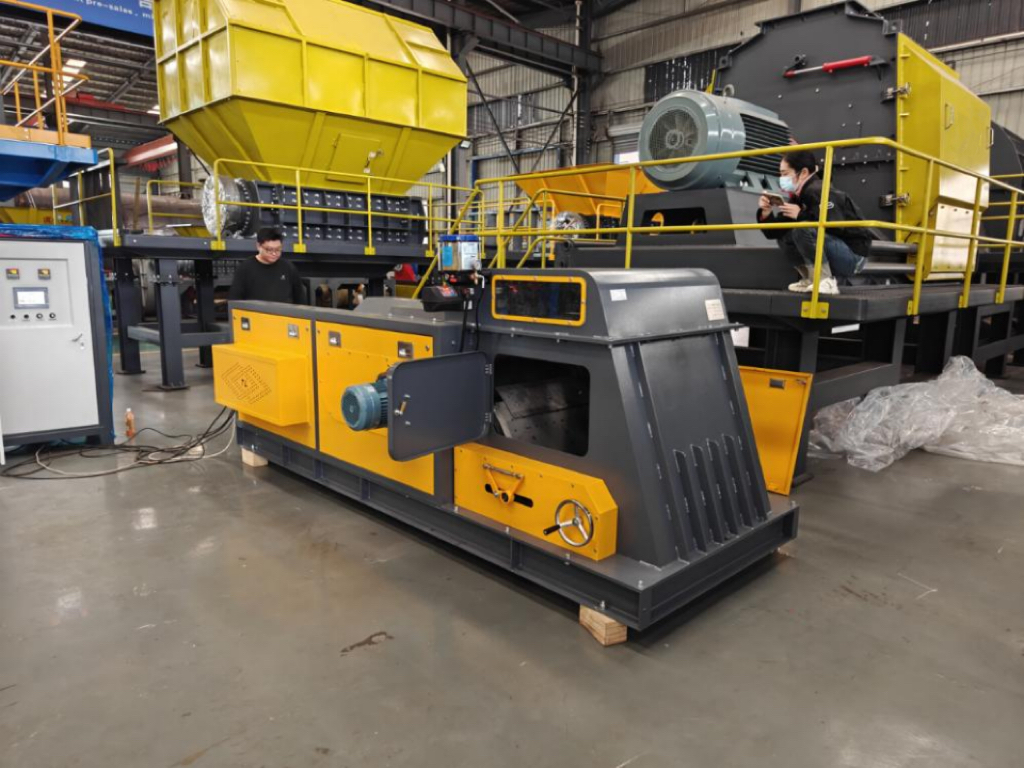
Understanding the process flow is critical for proper operation and model selection.
Step 1: Feeding
Materials are fed into the system via conveyor or hopper. Uniform feeding ensures stable production and prevents overload.
Step 2: Primary Crushing Or Shredding
A shredder or crusher reduces large aluminum pieces into manageable sizes. For example:
-
Profiles and frames → cut into smaller strips
-
Cans → compacted and broken
-
Mixed scrap → size reduction and liberation
The key objective here is liberation — separating aluminum from attached materials such as plastic, rubber, or steel.
Step 3: Secondary Crushing (If Required)
For higher purity requirements, a hammer mill may be used to further break materials and improve separation efficiency.
Step 4: Magnetic Separation
Any ferrous metals (iron, steel screws, nails) are removed by a magnetic separator. This protects downstream equipment and improves non-ferrous separation accuracy.
Step 5: Eddy Current Separation
The eddy current separator is the core technology for aluminum recovery. It uses a rapidly rotating magnetic rotor to generate repelling forces that eject non-ferrous metals from the waste stream.
This step achieves high recovery rates of aluminum.
Step 6: Air Or Density Separation
Light materials such as plastic, foam, or dust are separated through airflow systems.
Step 7: Screening And Final Output
Vibrating screens classify materials by size, ensuring consistent product specifications.
How To Use An Aluminum Crushing And Separation Line Effectively
Proper operation ensures high efficiency and long machine life.
Ensure Stable Feeding
Avoid sudden overload. Use a feeding conveyor with speed control if possible.
Monitor Blade And Hammer Wear
Crushing efficiency depends heavily on sharp and durable blades. Regular inspection reduces downtime.
Adjust Separation Parameters
-
Eddy current speed
-
Airflow intensity
-
Screen mesh size
These parameters should be adjusted based on material type.
Maintain Dust Control
Aluminum crushing produces fine dust. A proper dust collection system improves working conditions and protects equipment.
Train Operators
Even advanced systems require skilled operators to optimize performance.
How To Choose The Right Aluminum Crushing And Separation Model
Choosing the correct system is critical. As a machinery supplier or recycling investor, you should consider the following factors:
Material Type
Are you processing:
-
Clean aluminum profiles?
-
Mixed scrap with steel?
-
UBC cans?
-
Engine blocks?
Different materials require different crushing force and separation precision.
Required Capacity
Common processing capacities include:
-
1–2 TPH (Small Recycling Workshops)
-
3–5 TPH (Medium Scrap Yards)
-
8–15 TPH (Large Industrial Recycling Plants)
Choose a model that matches your current volume while leaving room for growth.
Desired Purity Level
If your downstream buyer requires 95%+ aluminum purity, you may need:
-
Secondary crushing
-
High-performance eddy current separator
-
Multi-stage air separation
Higher purity requires more advanced configurations.
Budget Considerations
There are three main configuration levels:
-
Basic System (Crusher + Magnetic + Eddy Current)
-
Standard System (Add Air Separation + Screening)
-
Advanced System (Full Automation + Intelligent Control + Multiple Separation Stages)
Select based on ROI expectations.
Power And Space Requirements
Check:
-
Total installed power (kW)
-
Workshop size
-
Local voltage standards
A properly planned layout improves safety and efficiency.
After-Sales Service And Spare Parts
Reliable technical support and blade supply are essential. Downtime in recycling plants directly impacts profitability.
Key Advantages Of A Modern Aluminum Crushing And Separation System
-
High Recovery Rate
-
Stable Operation
-
Low Energy Consumption
-
Automated Control
-
Long Service Life
-
Strong Return On Investment
For scrap processors and recycling companies, investing in a well-designed system means transforming waste into profit.
Conclusion: Turning Aluminum Waste Into Sustainable Profit
Aluminum crushing and separation is not just a mechanical process — it is a strategic investment in sustainability and profitability.
With the right equipment configuration, you can:
-
Increase aluminum recovery rate
-
Improve product purity
-
Reduce operating costs
-
Expand business competitiveness
If you are planning to upgrade your recycling line or start a new aluminum processing project, selecting the right crushing and separation system is the first and most important step.
A properly designed solution will pay for itself through higher material value and operational efficiency.
Aluminum waste is not garbage — it is hidden wealth. The right technology unlocks its full potential.