
In today’s fast-growing recycling industry, managing scrap metal efficiently is more important than ever. Businesses dealing with metal waste—from manufacturing plants to recycling centers—need reliable equipment to reduce volume, cut transportation costs, and improve operational efficiency. This is where the vertical metal baler machine plays a crucial role.
Compact, powerful, and cost-effective, vertical balers are becoming an essential tool for small to medium-sized recycling operations. In this article, we’ll explore what a vertical metal baler machine is, how it works, its key advantages, and how to choose the right one for your business.
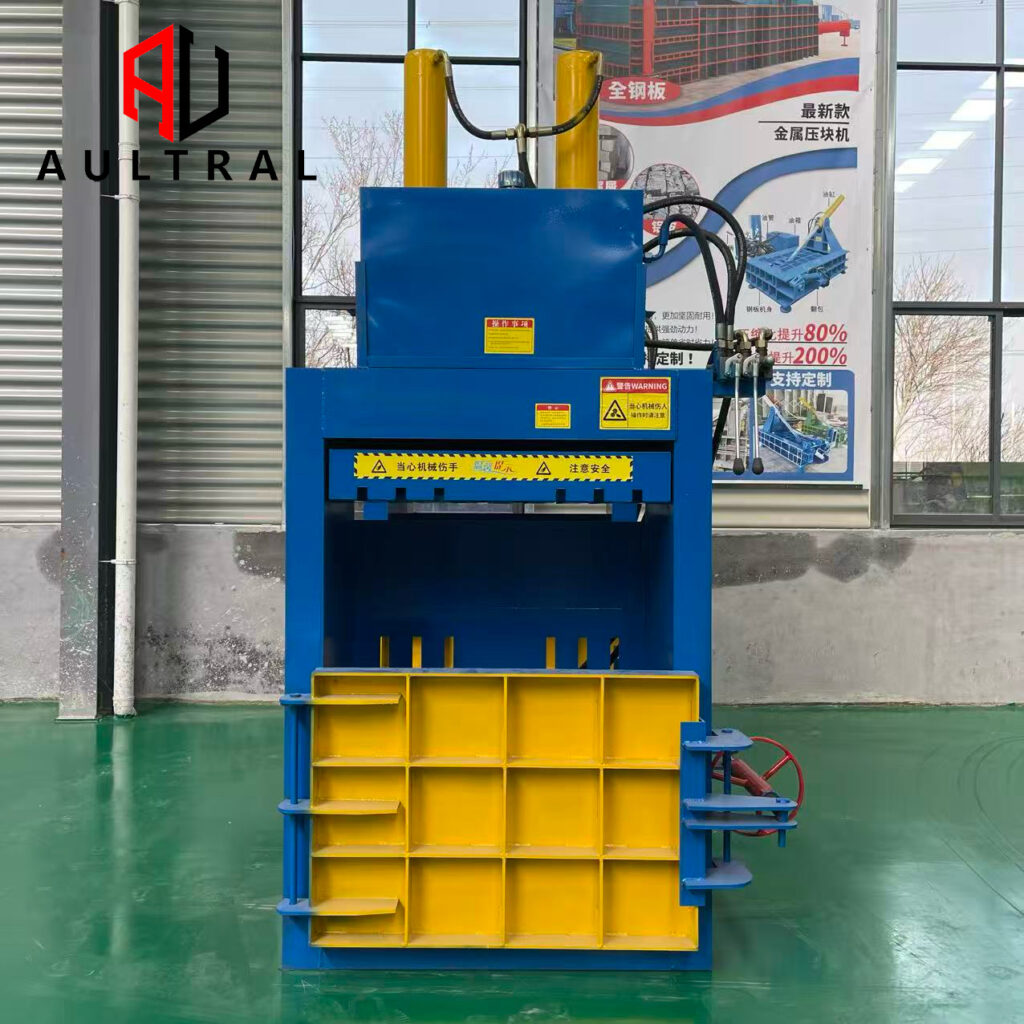
What Is a Vertical Metal Baler Machine?
A vertical metal baler machine is a type of hydraulic equipment designed to compress scrap metal into dense, compact bales. Unlike horizontal balers, which require more space and are typically fully automated, vertical balers operate with a top-loading design and a vertical compression system.
These machines are commonly used for processing light to medium-weight metal materials such as:
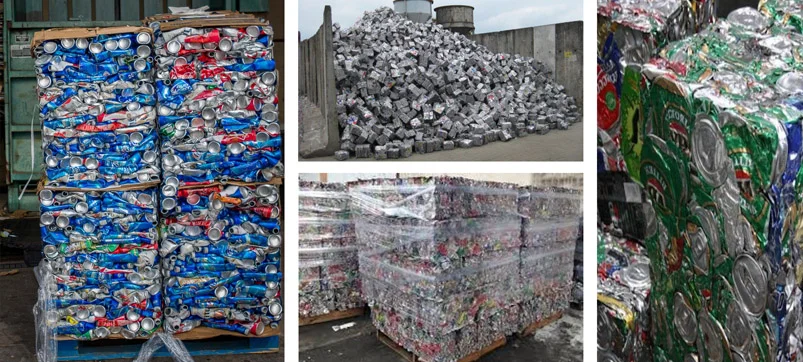
- Aluminum cans
- Scrap steel
- Copper wire
- Metal shavings
- Thin iron sheets
By compressing loose scrap into uniform bales, businesses can significantly reduce storage space and transportation costs.
How Does a Vertical Metal Baler Work?
The working principle of a vertical metal baler machine is straightforward yet highly effective:
- Material Loading
Scrap metal is manually or mechanically loaded into the compression chamber from the top. - Hydraulic Compression
A hydraulic cylinder applies strong downward pressure, compressing the material into a dense block. - Bale Formation
Once the desired density is achieved, the material is tied using steel wires or straps. - Bale Ejection
The finished bale is ejected manually or via a simple hydraulic system.
This process not only improves handling efficiency but also ensures consistent bale size and weight.
Key Advantages of Vertical Metal Baler Machines
1. Space-Saving Design
One of the biggest advantages of a vertical baler is its compact structure. It requires significantly less floor space compared to horizontal balers, making it ideal for facilities with limited space.
2. Cost-Effective Investment
Vertical metal balers are generally more affordable than fully automatic horizontal models. For small recycling businesses or startups, they offer an excellent balance between performance and cost.
3. High Compression Efficiency
Despite their compact size, these machines deliver strong compression force, producing dense and uniform bales that are easier to transport and sell.
4. Easy Operation
Most vertical balers feature user-friendly controls and require minimal training. Operators can quickly learn to load, compress, and eject bales efficiently.
5. Versatile Applications
A vertical metal baler machine can handle a wide range of materials, including aluminum, copper, steel, and even some non-metal recyclables like plastics and paper.
Applications of Vertical Metal Balers
Vertical metal baler machines are widely used across various industries, including:
- Scrap metal recycling centers
- Manufacturing plants
- Automotive workshops
- Waste management companies
- Metal processing facilities
They are especially suitable for businesses that generate moderate volumes of scrap metal and need a reliable, space-efficient solution.
Vertical vs. Horizontal Metal Balers
When choosing a baler, it’s important to understand the difference between vertical and horizontal machines:
| Feature | Vertical Metal Baler | Horizontal Metal Baler |
|---|---|---|
| Structure | Upright | Horizontal |
| Automation | Semi-automatic/manual | Fully automatic |
| Space Requirement | Low | High |
| Investment Cost | Lower | Higher |
| Production Capacity | Medium | High |
If your operation has limited space and moderate output requirements, a vertical metal baler machine is often the best choice.
How to Choose the Right Vertical Metal Baler Machine
Selecting the right machine depends on your specific needs. Here are some key factors to consider:
1. Compression Force
Choose a machine with sufficient tonnage (e.g., 30T, 60T, 100T) based on the type and volume of metal you handle.
2. Bale Size and Weight
Consider your preferred bale dimensions and weight for transportation and resale.
3. Material Type
Different metals require different levels of compression. Make sure the machine is suitable for your materials.
4. Operation Mode
Decide whether you need manual, semi-automatic, or fully automatic operation.
5. Power Supply
Ensure the machine matches your facility’s electrical requirements.
6. Build Quality
Look for durable construction, high-quality hydraulic systems, and wear-resistant components to ensure long service life.
Maintenance Tips for Long-Term Performance
To keep your vertical metal baler machine running efficiently, regular maintenance is essential:
- Check hydraulic oil levels and replace oil periodically
- Inspect seals and hoses for leaks
- Keep the compression chamber clean
- Lubricate moving parts regularly
- Monitor electrical components for safety
Proper maintenance not only extends the machine’s lifespan but also ensures safe and stable operation.
A vertical metal baler machine is a practical and efficient solution for businesses looking to optimize their scrap metal recycling process. With its compact design, strong compression capability, and cost-effectiveness, it is especially suitable for small to medium-sized operations.