
In today’s fast-paced industrial world, handling waste efficiently and sustainably is no longer optional—it’s essential. Enter the twin-shaft shredder, a versatile, robust, and high-performance machine that transforms bulky materials into manageable pieces, streamlining recycling, production, and waste management processes. In this guide, we’ll explore what twin-shaft shredders are, why they are game-changers, how to use them effectively, and tips to choose the right model for your operations.
Twin-Shaft Shredders Explained: What Makes Them Unique
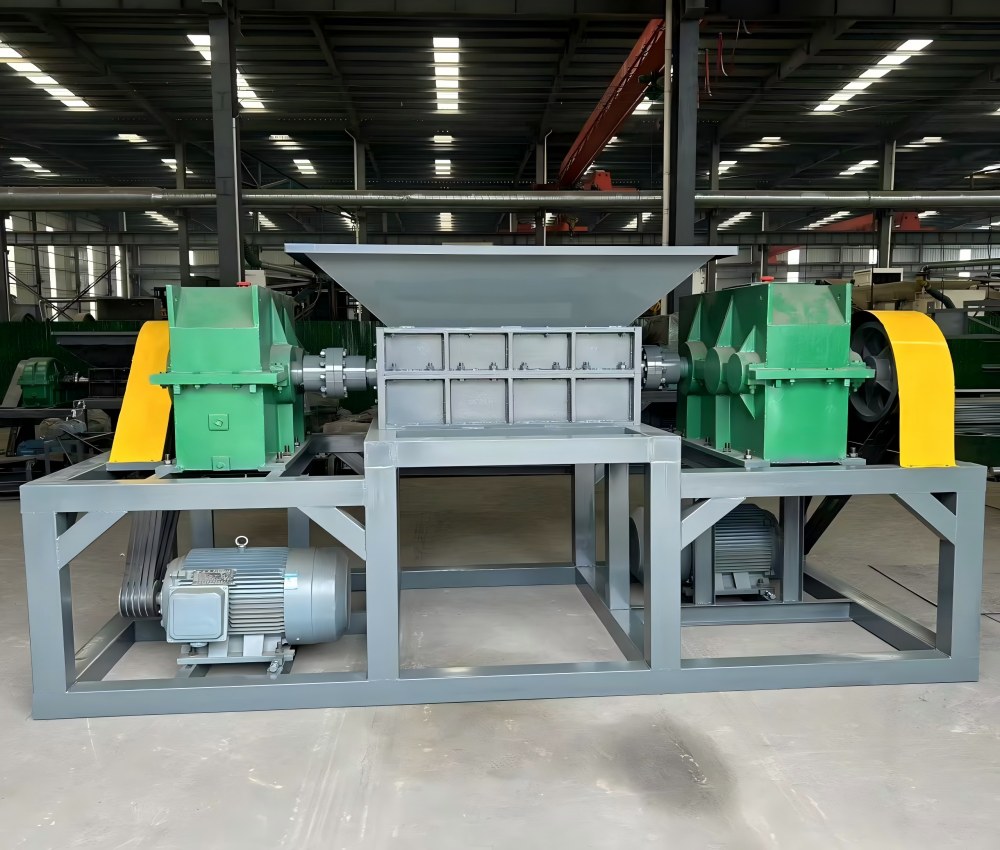
A twin-shaft shredder, also known as a dual-shaft or two-rotor shredder, features two interlocking rotors with cutting blades. These rotors rotate in opposite directions, pulling materials in and shredding them efficiently. Unlike single-shaft shredders, twin-shaft models excel in handling bulky, tough, and irregular materials with minimal jams.
Industries That Rely On Twin-Shaft Shredders
-
Plastic recycling: PET bottles, HDPE containers, PVC sheets
-
Metal recycling: Light scrap metal, aluminum, copper wires
-
Wood processing: Pallets, furniture, construction debris
-
E-waste management: Circuit boards, household appliances, old electronics
-
Rubber and tires: Tires, conveyor belts, rubber offcuts
The twin-shaft design provides better torque, higher throughput, and uniform shredding, making it an indispensable tool for modern recycling facilities.
Why Twin-Shaft Shredders Are A Game-Changer
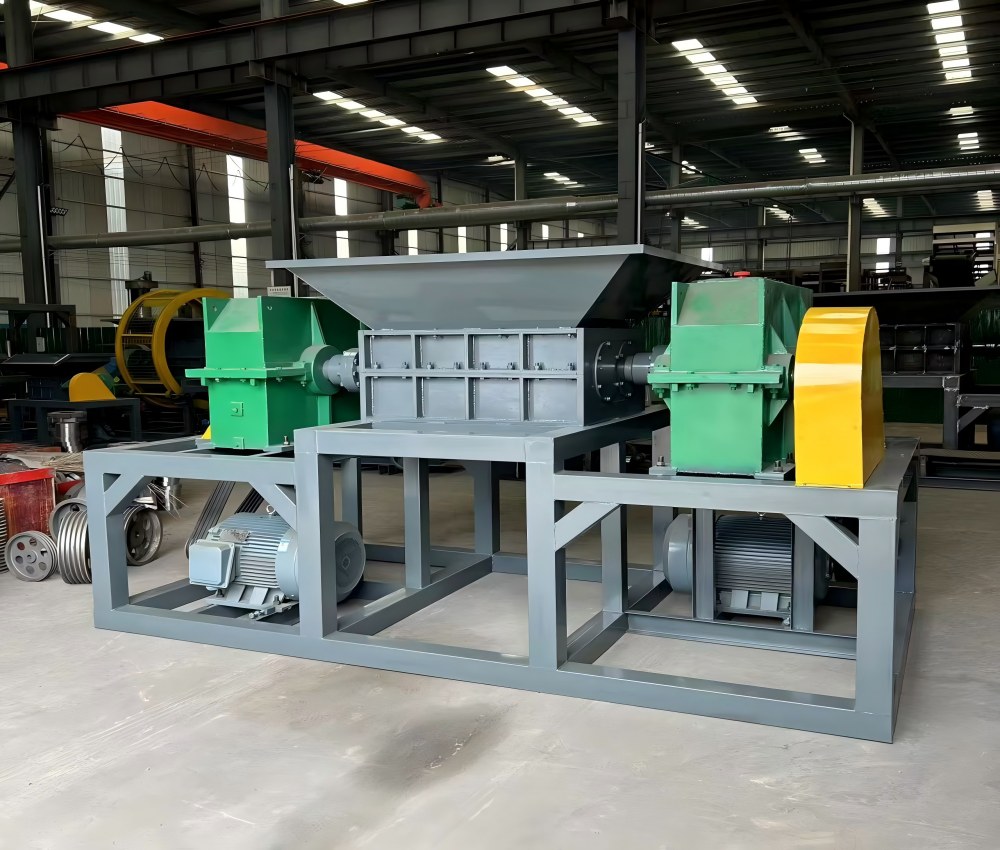
Superior Shredding Performance
With two rotors working simultaneously, twin-shaft shredders provide a powerful shearing action that can process materials of varying size, shape, and hardness. This translates to higher productivity and reduced downtime.
Versatility Across Materials
One machine can handle plastics, metals, wood, rubber, and e-waste, eliminating the need for multiple specialized shredders. This versatility saves space, energy, and operational costs.
Safety And Reliability
The design ensures smooth torque distribution, preventing sudden jams that can damage motors or mechanical parts. Many twin-shaft models also include overload protection and emergency stops to enhance operational safety.
Energy Efficiency
Modern twin-shaft shredders are optimized for minimal energy consumption, processing more material with less power, making them cost-effective in the long term.
How Twin-Shaft Shredders Work: A Step-By-Step Guide
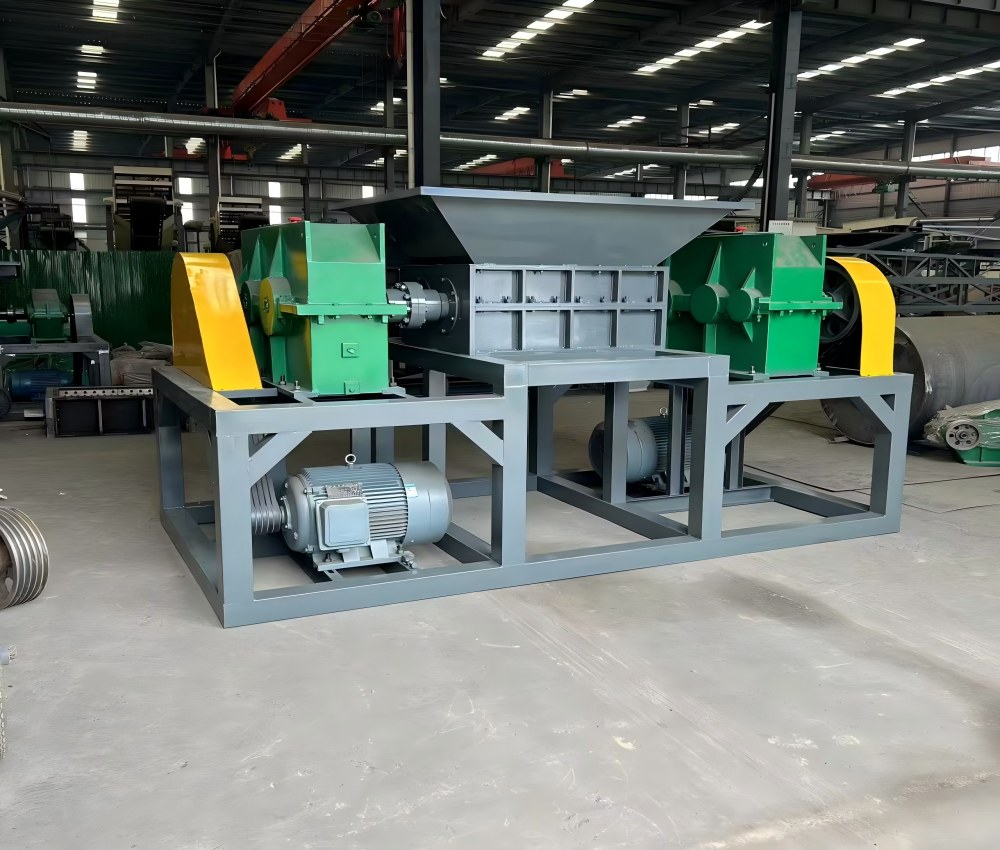
Understanding the working principle of twin-shaft shredders helps maximize efficiency and safety.
1. Material Feeding
Materials are loaded into the hopper, either manually or via a conveyor. The design of the hopper ensures a steady flow into the shredder while minimizing the risk of blockages.
2. Shredding Process
The two interlocking rotors with sharp blades rotate in opposite directions, pulling materials into the shredding chamber. The material is sheared and cut into smaller pieces, and the rotor spacing determines the size of the output.
3. Screening And Sorting
After shredding, the material passes through a screen or mesh. Only pieces small enough pass through, while larger fragments are returned for further shredding.
4. Discharge And Collection
Shredded materials are discharged via conveyors or collection bins, ready for recycling, secondary processing, or disposal.
Picking The Right Twin-Shaft Shredder: A Practical Guide
Selecting the right twin-shaft shredder is crucial to maximize performance, minimize downtime, and achieve operational goals.
1. Identify Material Type And Hardness
-
Soft materials (plastics, cardboard): require lower torque, smaller motors
-
Hard materials (metals, wood, tires): need higher torque and durable blades
2. Estimate Daily Throughput
Determine how much material you process per hour or per day. This will help you choose the appropriate rotor size, motor power, and feeding capacity.
3. Consider Rotor And Blade Configuration
-
More blades or teeth → finer shredding, suitable for uniform output
-
Fewer blades → faster throughput, larger particle size
4. Motor Power And Energy Efficiency
Choose a motor powerful enough to handle your toughest materials without overloading. Modern twin-shaft shredders are designed to maximize shredding output while minimizing energy consumption.
5. Size And Installation Requirements
Some twin-shaft models are compact for small workshops, while industrial units require floor space, strong foundations, and proper power supply.
6. Check Maintenance And Support
Ensure the manufacturer provides spare parts, technical support, and maintenance guidance. This is crucial for long-term reliability and efficiency.
Operating A Twin-Shaft Shredder Safely And Efficiently
Proper operation ensures longevity of the machine and safety of operators.
-
Read The Operation Manual Thoroughly – Understand all controls, safety switches, and maintenance requirements.
-
Inspect Before Use – Check rotors, blades, bearings, and screens for wear or damage.
-
Feed Materials Carefully – Avoid overloading; feed in manageable batches if necessary.
-
Monitor Motor Load – Prevent overloads to reduce wear and prevent downtime.
-
Regular Maintenance – Lubricate moving parts, tighten bolts, and replace worn blades.
-
Use PPE – Gloves, safety glasses, and ear protection are essential.
Innovative Applications Of Twin-Shaft Shredders
Twin-shaft shredders are not just for recycling—they can be used in creative industrial applications, such as:
-
Waste-to-energy preparation: Shredding municipal waste before incineration
-
Biomass processing: Cutting agricultural residues for pellet production
-
Packaging recycling: Processing cardboard, plastics, and mixed packaging efficiently
-
Metal scrap reduction: Preparing metals for smelting or compacting
Conclusion: Why Twin-Shaft Shredders Are Worth The Investment
The twin-shaft shredder is a versatile, reliable, and efficient solution for businesses that handle diverse materials. Its dual-rotor design ensures higher throughput, smoother operation, and safer handling, making it an indispensable tool in recycling, waste management, and production.
By understanding what it is, why it matters, how to use it, and how to choose the right model, businesses can achieve maximum efficiency, reduced costs, and sustainable operations. Whether you process plastics, metals, wood, rubber, or e-waste, a twin-shaft shredder is a smart investment for today and the future.