
In an era where recycling and waste management are becoming increasingly critical, industrial machines like the Double Shaft Shredder (DSS) have emerged as vital tools. These machines are designed to reduce large, bulky materials into smaller, more manageable pieces, making them easier to recycle or dispose of. But what exactly is a double shaft shredder, and why is it so widely used across different industries? In this article, we will dive into the details of the double shaft shredder, explain why it is important, guide you on how to use it, and help you select the right model for your needs.
What Is a Double Shaft Shredder?
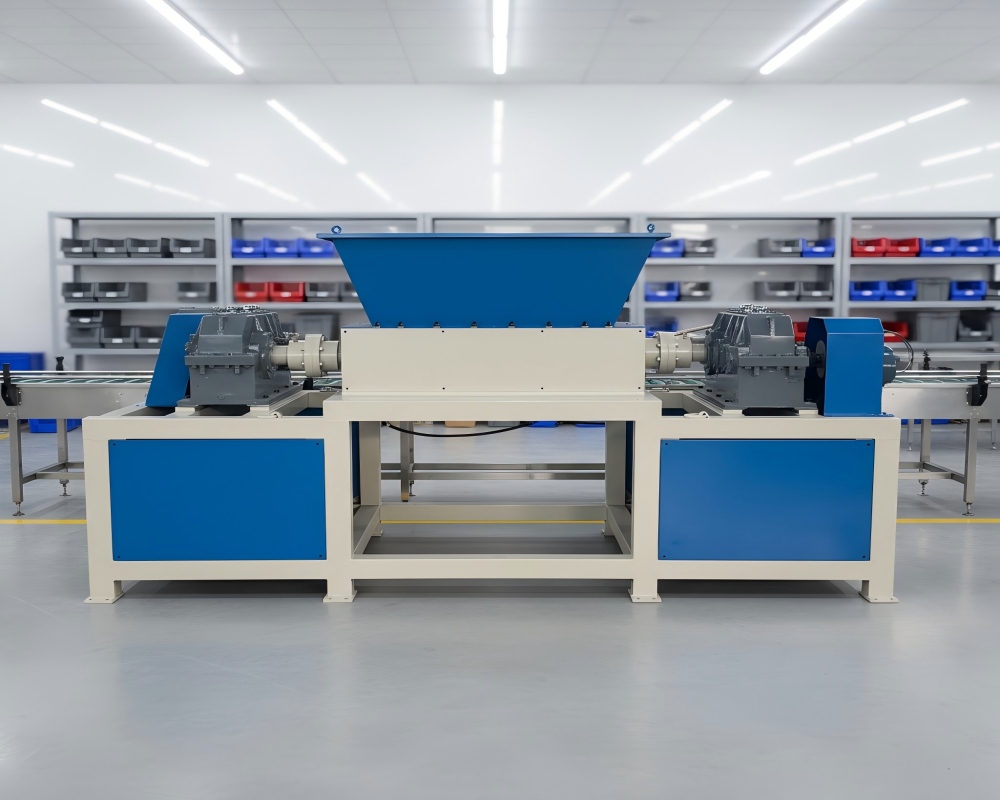
A Double Shaft Shredder is an industrial machine designed to shred and reduce the size of materials like plastics, metals, rubber, wood, textiles, and various other waste materials. Unlike single-shaft shredders, which use a single rotating blade to cut through materials, a double shaft shredder uses two counter-rotating shafts with interlocking blades that work together to pull materials in and shred them into smaller pieces. The material passes through these shafts, which work in tandem to break down large and tough materials with greater force.
These shredders are particularly known for their versatility and ability to handle materials that are difficult to shred with other types of machines. Double shaft shredders can be customized with various blade configurations and sizes to suit the specific requirements of a business or industry.
Why Choose a Double Shaft Shredder?
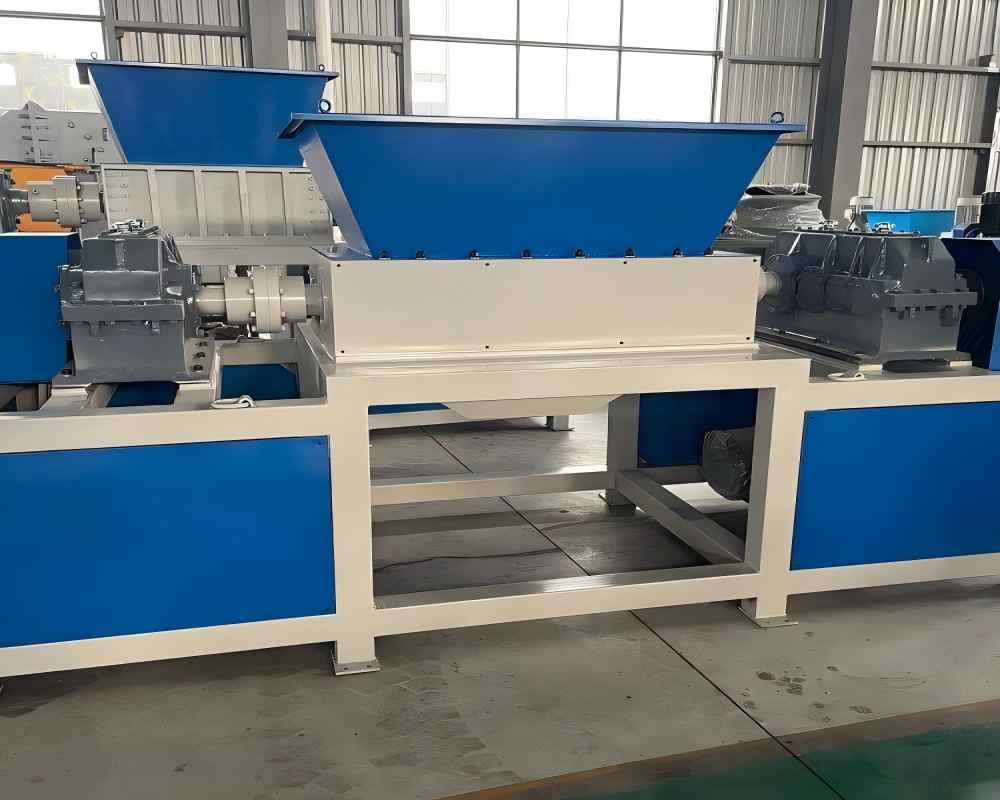
The DSS comes with a variety of advantages, making it an essential machine for many industries. Here are some of the top reasons why you should consider investing in one:
1. Efficient Size Reduction
A double shaft shredder can handle bulky and hard-to-break materials efficiently. Whether it’s large pieces of plastic, metal, or wood, the two-shaft mechanism allows the machine to apply more force and break down materials more effectively than single-shaft shredders.
2. Versatility
DSS machines can shred a wide range of materials, including but not limited to plastics, rubber, wood, paper, and even electronics. This versatility allows industries ranging from recycling and waste management to manufacturing and automotive to benefit from its use.
3. Safety
Double shaft shredders are often safer than single-shaft shredders because the counter-rotating shafts help ensure that materials are properly fed into the machine without causing jams. In addition, the robust design of these machines often includes safety features that protect operators from accidental injuries.
4. Customizable Design
Depending on your specific needs, double shaft shredders can be equipped with various blade types, rotor sizes, and power capacities. This means you can customize the shredder to handle specific materials and meet the output size requirements for your operation.
5. Lower Maintenance Costs
Compared to single-shaft shredders, DSS machines typically have lower maintenance costs. Their durable and robust construction ensures that they can withstand heavy workloads with less frequent need for repairs.
How to Use a Double Shaft Shredder?
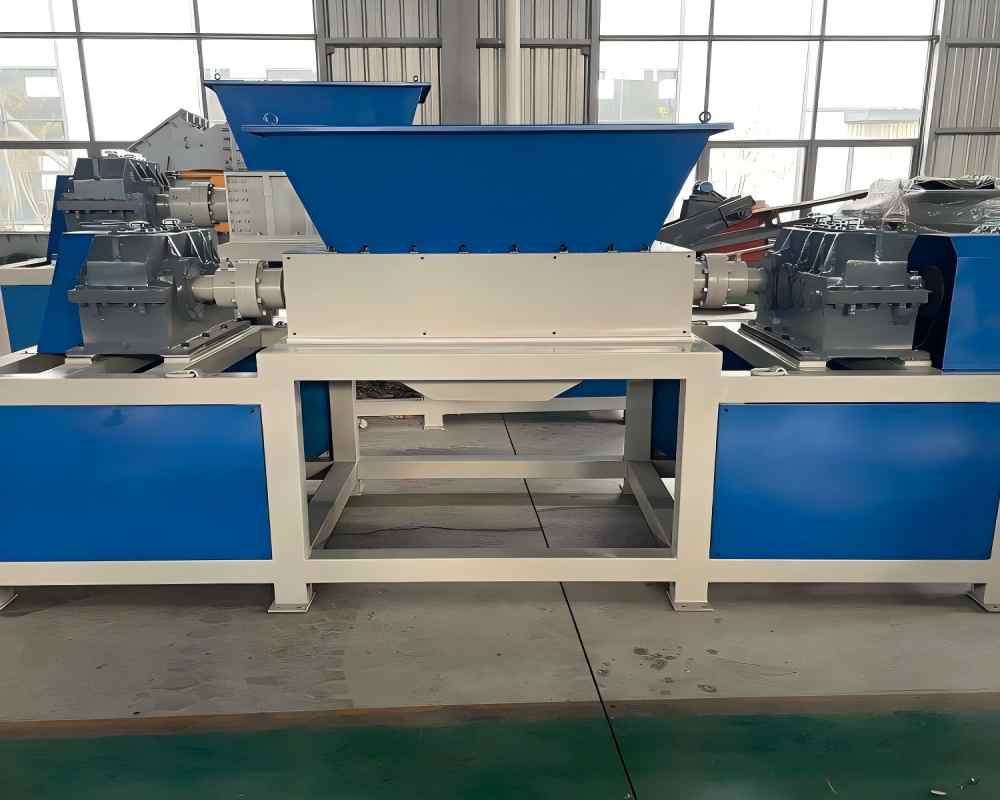
Using a Double Shaft Shredder is straightforward, but it’s important to understand the proper steps to ensure safe and efficient operation.
1. Preparation
Before using the machine, it’s crucial to prepare the materials for shredding. Remove any non-shreddable materials such as metals, rocks, or stones that may damage the machine’s blades. Additionally, ensure the area around the shredder is clear of obstacles to avoid accidents.
2. Loading the Material
Once the machine is ready, feed the material into the shredder’s intake. The double shaft shredder is designed to handle continuous feeding, but ensure that the materials are evenly distributed across the two rotating shafts for optimal performance.
3. Shredding Process
As the material enters the shredder, the two rotating shafts will grab the material and pull it through the blades, breaking it down into smaller, more manageable pieces. The shredded material will be collected at the bottom of the machine, ready for further processing or disposal.
4. Monitoring and Maintenance
During the shredding process, it is important to keep an eye on the machine’s performance. If the material becomes jammed or the machine starts to overheat, immediately stop the machine and address the issue. Regular maintenance such as cleaning the blades and checking for wear and tear will prolong the lifespan of the shredder.
How to Select the Right Double Shaft Shredder?
Choosing the right Double Shaft Shredder for your business or project can be a challenging task, as there are various models available, each offering different features and capabilities. Here are some important factors to consider when selecting a shredder:
1. Material Type
The first step in choosing the right shredder is to consider the type of materials you need to shred. Double shaft shredders are suitable for a wide range of materials, but certain models are better suited to specific materials like plastic, metal, or wood. Choose a shredder that matches the material you need to handle for optimal efficiency.
2. Shredding Capacity
The shredding capacity of a machine refers to how much material it can process within a specific period (usually per hour or per day). If you’re operating a large-scale facility, you may need a shredder with a higher capacity to keep up with the demand.
3. Power and Motor Size
The power and motor size will determine the strength and efficiency of the shredder. Larger machines that handle tougher materials require more power. Always ensure that the shredder’s motor matches the expected workload.
4. Blade Configuration
The blade design is crucial for determining the machine’s shredding efficiency. Different configurations will affect the size of the output material and the machine’s ability to handle different types of waste. Consider whether you need blades designed for finer or coarser shredding and choose accordingly.
5. Noise and Vibration
Double shaft shredders can produce significant noise and vibration, especially in larger models. If your operation is in a noise-sensitive environment, you may want to look for a quieter shredder or invest in noise-reducing solutions.
6. Space and Size
Make sure the shredder you select fits within your available space. Larger models may require more room for installation and operation. Ensure that you have enough space for the shredder, as well as for any associated conveyors or collection bins.
7. Safety Features
A good shredder should come with safety features such as emergency stop buttons, protective covers, and overload protection to prevent accidents and equipment damage. Ensure that the machine meets all local safety standards.
8. Budget
Finally, consider your budget. While high-end shredders with larger capacities and more advanced features may come at a premium price, there are models available for almost any budget. Determine what your primary needs are and balance cost with performance.