
In today’s industrial world, effective waste management is crucial for businesses aiming to reduce costs and improve sustainability. One of the most efficient tools for waste compression and recycling is the hydraulic baler. These machines are vital in industries such as recycling, manufacturing, and even agriculture, where the need to manage large volumes of material is ever-present.
This blog will explore the design considerations for hydraulic balers, particularly focusing on human safety. It will also provide a guide to selecting the right model, helping you make an informed decision for your business needs. By the end, you’ll have a clearer understanding of how to safely operate a hydraulic baler and how to choose the best one for your operations.
What Is A Hydraulic Baler?
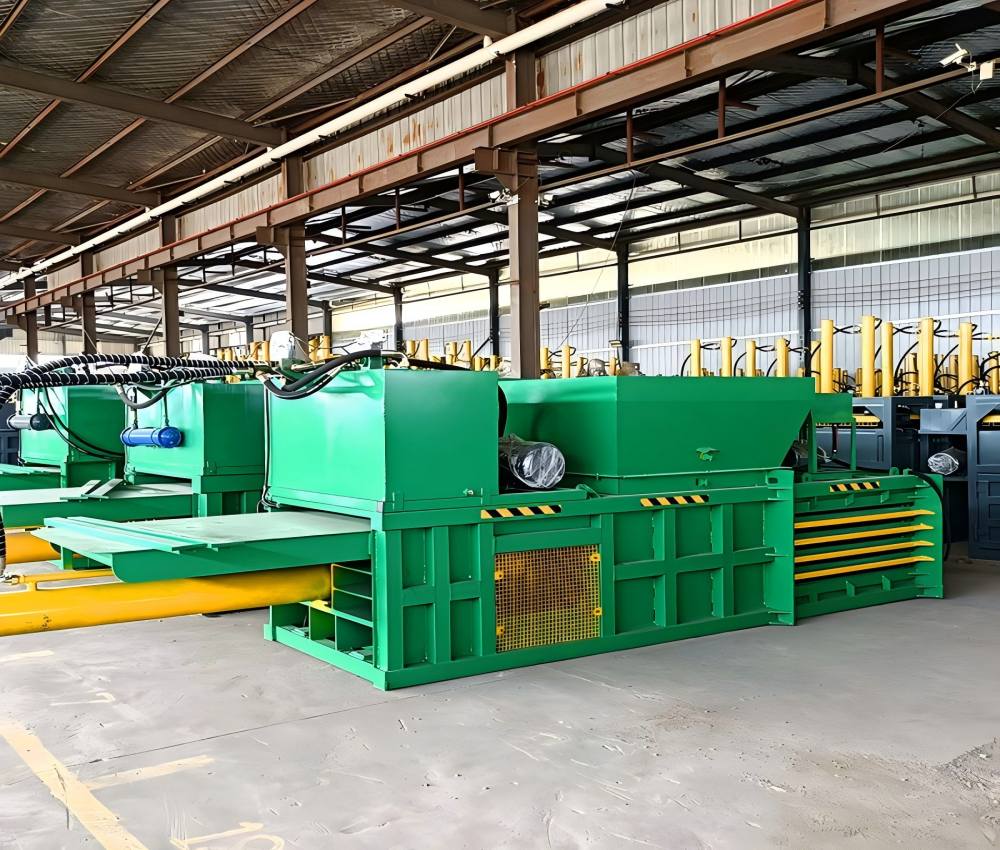
A hydraulic baler is a machine designed to compress various materials such as paper, cardboard, plastics, and metals into compact, manageable bales. Using hydraulic power, the baler applies immense pressure to reduce the volume of the materials, making them easier to handle, store, or transport. The machine then binds these compressed materials, typically using steel wire or plastic straps, forming tight bundles ready for recycling or disposal.
Design Considerations for Hydraulic Balers: Focusing on Human Safety

When it comes to hydraulic balers, safety should be at the forefront of any design. While these machines are incredibly effective, they also pose inherent risks due to the high pressures involved and the complexity of their operations. As such, safety features are not just optional—they are mandatory for ensuring a secure and efficient work environment. Below are the key safety considerations that should guide the design of hydraulic balers:
1. Emergency Stop Mechanism
An emergency stop mechanism is an absolute must for any hydraulic baler. This safety feature allows operators to halt the machine’s operation immediately in case of an emergency, preventing accidents. The emergency stop should be easily accessible and clearly marked, ensuring that operators can act swiftly in critical situations. This system is designed to minimize risk by instantly cutting off power, stopping the hydraulic press, and ensuring the machine doesn’t continue to apply dangerous pressure.
2. Safety Guards and Shields
Because of the extreme pressure exerted by hydraulic systems, safety guards and shields around moving parts are crucial. These protective barriers help prevent accidental contact with potentially dangerous areas of the machine, such as the compaction chamber or the hydraulic system. Well-designed safety guards should be made of durable, high-strength materials that can withstand impact while still being easily accessible for maintenance and operation.
3. Operator Training
No matter how many safety features are built into the machine, operator training is one of the most vital aspects of safe hydraulic baler operation. All personnel should receive thorough training on how to use the baler properly, with an emphasis on safe loading, operation, and unloading techniques. They should also be familiar with emergency protocols, such as activating the emergency stop, performing routine inspections, and dealing with malfunctioning equipment.
4. Clear Signage and Warnings
Clear signage is essential to alert operators to potential hazards. This includes warning labels that indicate danger zones, such as areas where there is a risk of pinch points, moving parts, or high pressure. Proper instruction manuals and visible warning stickers or lights can also remind operators of best practices, safety precautions, and potential risks during operation.
5. Regular Safety Inspections
While a baler may be designed with safety features in mind, regular inspections are necessary to ensure these features remain functional. Hydraulic systems should be checked for leaks, seals should be inspected for wear, and moving parts must be lubricated to prevent rust and breakdowns. Daily or weekly checks should include verifying that safety guards are intact and operational.
How Hydraulic Balers Work and Their Safety Mechanisms
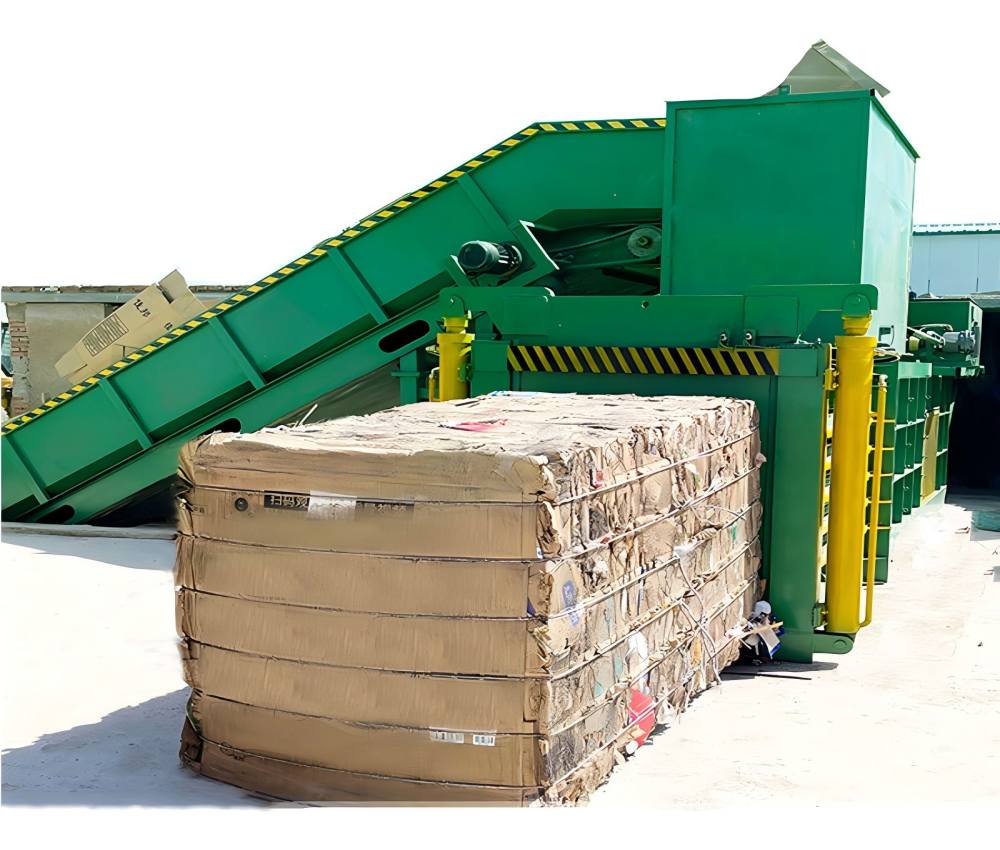
A hydraulic baler operates by using hydraulic power to compress waste material into compact bales. The process involves three primary stages: loading, compressing, and ejecting the bales. Let’s break down the operation:
1. Loading the Material
The first step is loading the material into the baler. This is where safety plays a significant role, as it’s important that operators understand how to load the materials evenly and without overloading the machine. Overloading can cause the baler to malfunction, while improper loading can lead to uneven bales and even safety hazards.
2. Compression Phase
Once the material is loaded, the hydraulic system begins compressing it into a tightly packed bale. This is where hydraulic pressure comes into play, with the machine exerting enormous force. This phase requires a highly controlled environment, which is why protective shields and safety barriers around the hydraulic chamber are necessary.
3. Ejection of the Bale
After compression, the baler ejects the compacted bale, which is now tightly bound with wire or plastic straps. At this point, safety mechanisms should ensure that there are no operators near the machine’s exit point, and that the machine stops automatically once the bale is safely ejected. The ejection process must be smooth, with adequate room for the operator to remove the bale without being in harm’s way.
Guide to Selecting the Right Hydraulic Baler Model
Selecting the appropriate hydraulic baler for your business depends on several factors, from the type of materials you need to process to the available space and your production volume. Below are key considerations to help you choose the best model for your specific needs:
1. Material Type
The type of material you need to bale plays a significant role in selecting the right baler. Cardboard, paper, plastics, and metals each require different types of balers. For example, a baler designed for cardboard and paper will have different features than one designed to handle metal scrap. Be sure to choose a model that is specifically engineered for the type of waste your business produces. Some balers are more versatile and can handle multiple types of materials, so consider whether you need a specialized or multi-purpose baler.
2. Bale Size and Density
Bale size is another crucial factor. If your operation requires large, dense bales for transportation or recycling, you’ll need a heavy-duty baler capable of generating enough pressure to form these types of bales. On the other hand, smaller bales may be sufficient for less demanding tasks. Choose a baler with adjustable settings that allow you to tailor the bale size to your specific requirements.
3. Production Volume
Consider how much material your business processes daily. A small operation might be able to get by with a smaller baler, while a large facility might require a more powerful machine capable of handling higher volumes. Be sure to choose a baler that meets your daily output without overloading the machine. Checking the baler’s cycle time (how long it takes to compress and eject a bale) will give you an idea of its efficiency.
4. Energy Efficiency
Hydraulic balers can be energy-intensive machines. To reduce operational costs, look for balers that have energy-efficient features. These machines may include variable-speed drives, low-power standby modes, and energy-efficient hydraulic systems. Selecting an energy-efficient model will not only save you money on utility bills but will also contribute to your company’s sustainability goals.
5. Space Requirements
Before choosing a hydraulic baler, consider the physical size of the machine and your available floor space. Ensure that the baler fits comfortably into your facility, leaving adequate room for safe operation and maintenance. Some balers are more compact, while others are larger, industrial-grade models that require a bigger footprint. Check your available space and choose a model that suits your operational layout.
6. Maintenance and Serviceability
Routine maintenance is essential to keep a hydraulic baler running efficiently. When selecting a model, consider its ease of maintenance. Look for features like easy access to key components, self-lubricating systems, and the availability of local service providers or technicians. A reliable warranty and prompt customer support can also make a significant difference in keeping downtime to a minimum.
Conclusion: Prioritizing Safety and Efficiency in Hydraulic Baler Design
A hydraulic baler is an indispensable tool in modern waste management and recycling operations. By understanding the critical safety features, operators can ensure the machine’s safe use and minimize risks. The design of hydraulic balers should prioritize safety features such as emergency stop mechanisms, protective shields, and proper operator training. Additionally, selecting the right model for your business based on material type, production volume, and energy efficiency will maximize both safety and operational efficiency.
By keeping safety and functionality in mind when designing, selecting, and operating hydraulic balers, businesses can optimize their waste processing while ensuring the well-being of their workforce and enhancing their environmental impact.