
What Is An Industrial Shredder Machine
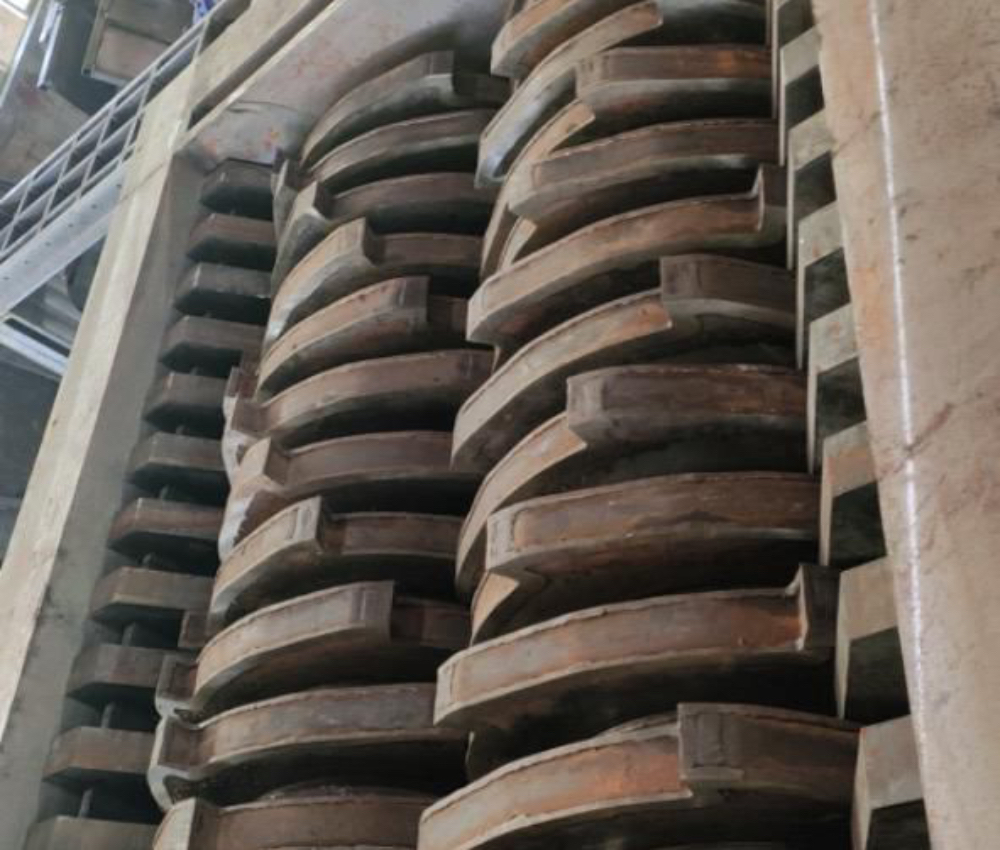
An industrial shredder machine is a heavy-duty mechanical device designed to reduce the size of various materials by cutting, tearing, or shearing them into smaller pieces. These machines are widely used in recycling, waste management, manufacturing, and resource recovery industries.
Industrial shredders are capable of processing a wide range of materials, including plastics, wood, rubber, aluminum, steel, electronic waste, paper, and other industrial scraps. By breaking down bulky or hard-to-handle materials, shredders make transportation, recycling, and further processing much more efficient.
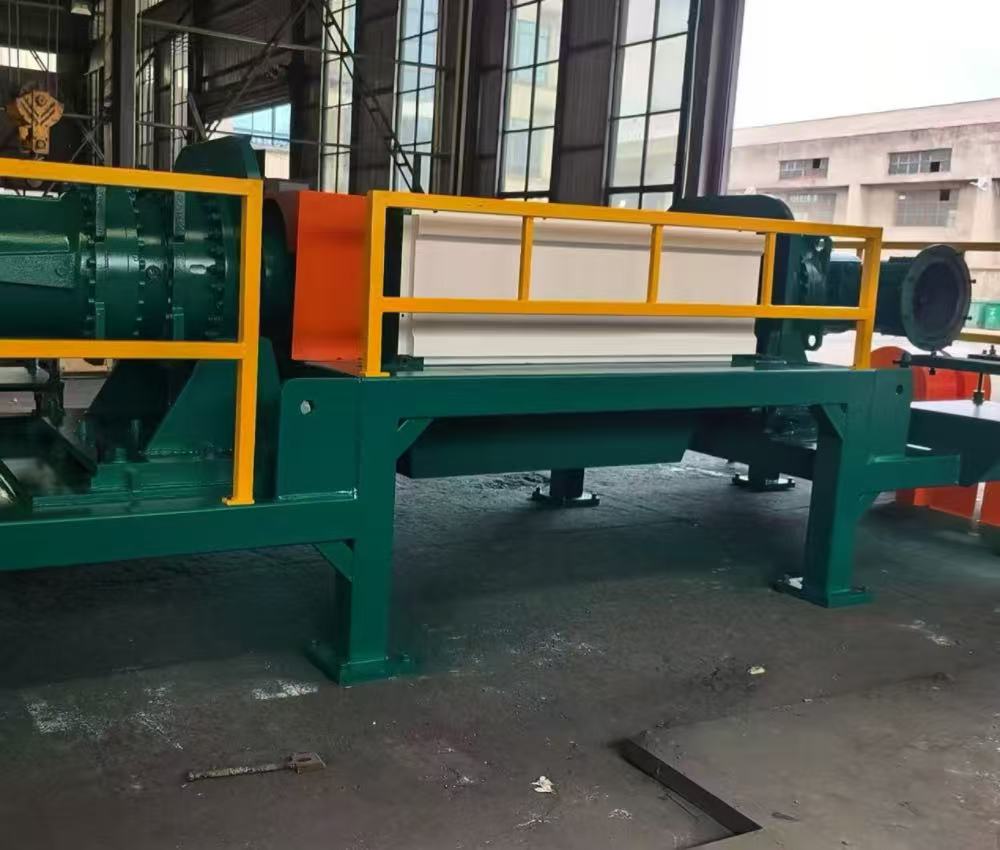
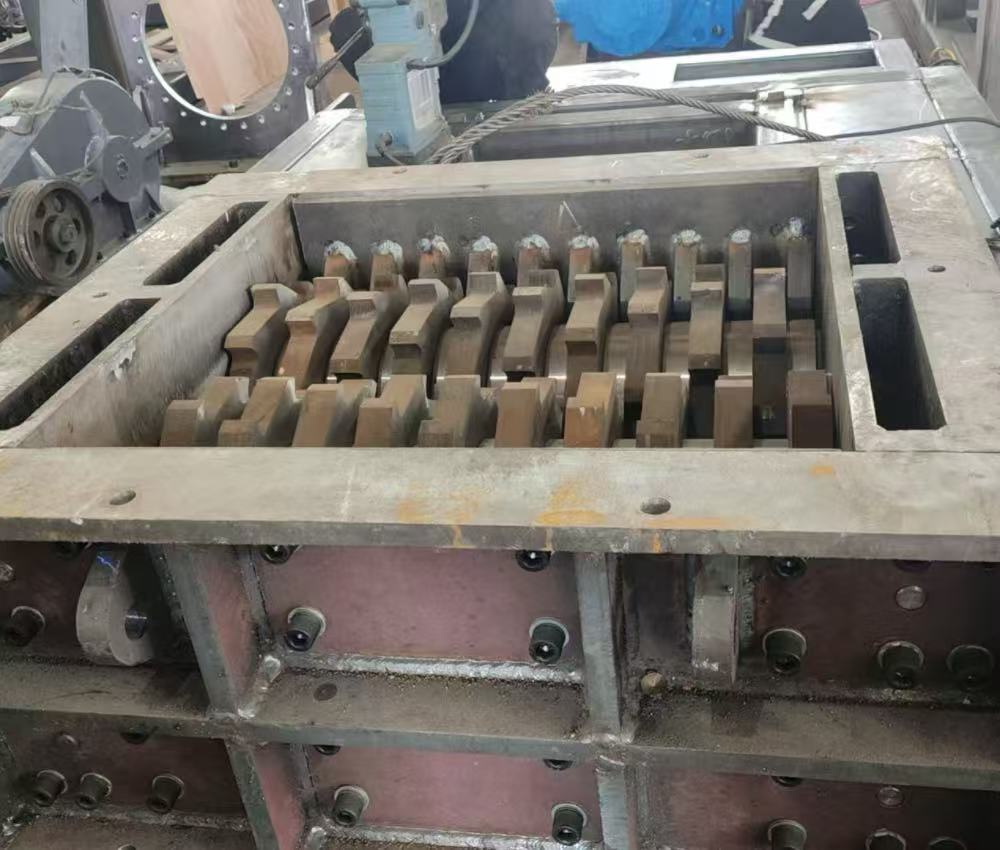
Depending on the application, industrial shredders can be configured as single-shaft, double-shaft, or multi-shaft machines. Each configuration serves different material characteristics and output requirements. Double-shaft shredders, for example, are especially popular for handling large, tough, or irregular materials such as plastic drums, pipes, wooden pallets, and metal scrap.
Main Components Of A Shredder Machine
A standard industrial shredder consists of several key components that work together to ensure stable and efficient operation:
-
Shredding Shafts And Blades: Responsible for cutting and tearing materials.
-
Knife Box Or Cutter Housing: Holds the blades securely and ensures precise alignment.
-
Drive System: Includes motors, gearboxes, and couplings that provide torque.
-
Frame And Base: Provides structural stability and vibration resistance.
-
Control System: Allows operators to control speed, direction, and overload protection.
-
Feeding Hopper: Guides materials safely into the shredding chamber.
Each component can be customized based on material type, required capacity, and operating conditions.
Why Industrial Shredders Are Essential In Modern Recycling
Reducing Material Volume
One of the most important benefits of a shredder machine is volume reduction. Large waste items such as plastic barrels, wood boards, or metal parts take up significant space during storage and transportation. Shredding reduces material size, allowing more efficient logistics and lower transportation costs.
Improving Recycling Efficiency
Shredded materials are easier to sort, clean, melt, or reprocess. For example, shredded plastic can be washed and pelletized more effectively, while shredded metal can be melted faster in furnaces. This improves overall recycling efficiency and reduces energy consumption.
Enhancing Safety And Handling
Large or irregular waste materials can pose safety risks during manual handling. By shredding materials into uniform sizes, the risk of injury is reduced, and automated downstream processes become possible.
Supporting Environmental Sustainability
Industrial shredders play a crucial role in circular economy systems. By enabling effective recycling and reuse of materials, shredders help reduce landfill waste, conserve natural resources, and lower carbon emissions.
Why Choose A Double Shaft Shredder
Double shaft shredders are among the most versatile and widely used shredding machines in the recycling industry.
Strong Cutting Capability
Equipped with two counter-rotating shafts, double shaft shredders provide powerful shearing force. This makes them ideal for tough materials such as hard plastics, rubber blocks, wood, and light metals.
Stable And Continuous Operation
The synchronized rotation of the shafts ensures smooth feeding and continuous shredding, reducing the risk of material jamming.
Customizable Blade Design
Blade thickness, diameter, and material can be customized according to the processed material. This flexibility allows one machine to handle multiple applications.
Common Applications Of Shredder Machines
Industrial shredder machines are used across many industries, including:
-
Plastic recycling (bottles, drums, sheets, pipes)
-
Wood waste processing (pallets, boards, furniture)
-
Metal recycling (aluminum profiles, scrap steel, cans)
-
Rubber and tire recycling
-
Electronic waste dismantling
-
Paper and cardboard destruction
Because of their versatility, shredders are often integrated into complete recycling lines with conveyors, sorting systems, balers, or melting furnaces.
How To Choose The Right Shredder Machine
Identify The Material Type
Different materials require different blade designs and machine structures. Plastic, wood, and metal all behave differently during shredding.
Determine Material Size And Thickness
The maximum input size directly affects the shredding chamber size and shaft length. For example, processing 1×1 meter plastic drums requires a larger feeding opening.
Define Required Capacity
Production capacity is usually measured in tons per hour or tons per day. A higher capacity requires a more powerful motor and stronger structure.
Consider Output Size Requirements
Some applications require coarse shredding, while others need finer output. Output size can be controlled by blade design or additional screening systems.
How To Use An Industrial Shredder Machine
Step One: Installation And Setup
Before operation, ensure the machine is installed on a stable foundation. Electrical connections must match local voltage and frequency requirements. Lubrication points should be checked and filled according to the manual.
Step Two: Material Feeding
Materials should be fed evenly into the hopper. Avoid overloading the machine, as this may cause excessive wear or motor overload.
Step Three: Shredding Operation
Once the machine is running, the blades will pull in and shred the material automatically. Modern shredders are equipped with overload protection and reverse functions to prevent damage.
Step Four: Output Collection
Shredded material is discharged from the bottom or through a conveyor system. It can then be transported for further processing such as sorting, baling, or melting.
Maintenance And Daily Care
Proper maintenance ensures long service life and stable performance.
-
Regularly inspect blades for wear and damage
-
Keep bearings and gearboxes properly lubricated
-
Check electrical components and sensors
-
Clean the shredding chamber to avoid material buildup
Timely maintenance reduces downtime and lowers operating costs.
Why Buy A Shredder From A Professional Manufacturer
Choosing a reliable manufacturer ensures not only machine quality but also long-term support. A professional supplier offers:
-
Customized solutions based on your material and capacity
-
High-quality blades and wear-resistant components
-
Complete technical documentation and test reports
-
Spare parts availability and after-sales service
A well-designed shredder is an investment that delivers consistent performance and high return over many years.
Integration Of Shredder Machines In Complete Recycling Lines
In modern recycling plants, an industrial shredder machine is rarely used as a standalone unit. Instead, it is commonly integrated into a complete recycling or waste processing line to achieve higher efficiency and automation.
After shredding, materials can be transferred by conveyor belts to downstream equipment such as sorting systems, magnetic separators, eddy current separators, balers, or melting furnaces. For example, shredded plastic can be washed and pelletized, while shredded metal can be compacted into bales or melted into ingots. This integrated process significantly improves material value and reduces manual labor.
By combining shredders with automated feeding, conveying, and sorting systems, recycling facilities can achieve continuous operation with minimal downtime. This not only increases daily throughput but also ensures consistent output quality. Additionally, integrated lines allow better control over dust, noise, and safety conditions, creating a cleaner and safer working environment.
For businesses planning to expand recycling capacity or upgrade existing facilities, selecting a shredder that can seamlessly integrate into a full processing line is a key factor. A well-integrated shredder system forms the backbone of efficient, scalable, and profitable recycling operations.
Conclusion: Shredders As The Core Of Recycling Systems
An industrial shredder machine is more than just a size-reduction device. It is the foundation of modern recycling and waste processing systems. By choosing the right shredder and using it correctly, businesses can improve efficiency, reduce costs, and contribute to environmental sustainability.
Whether you are processing plastic, wood, metal, or mixed waste, a reliable shredder machine will help turn waste into valuable resources and support a greener future.