
In today’s fast-growing recycling and waste management industry, efficiency, safety, and automation are no longer optional—they are essential. A Fully Automatic Horizontal Baler is designed to meet these demands by providing continuous, high-capacity baling with minimal labor input. This machine has become a core piece of equipment for recycling plants, factories, logistics centers, and waste processing facilities worldwide.
This article will clearly explain what a fully automatic horizontal baler is, why it is necessary, and how to use it correctly to achieve maximum productivity and return on investment.
What Is A Fully Automatic Horizontal Baler
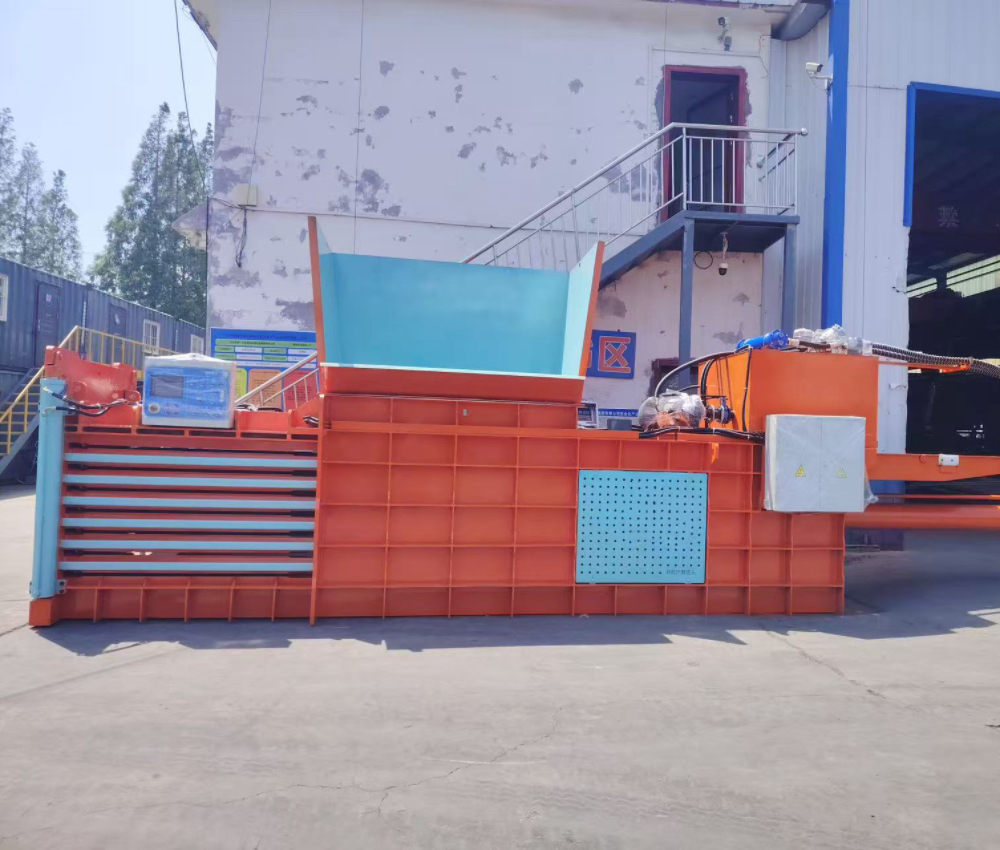
A Fully Automatic Horizontal Baler is an industrial baling machine used to compress large volumes of recyclable or waste materials into dense, uniform bales. Unlike vertical balers, this machine operates in a horizontal direction and is specially designed for continuous feeding, automatic compression, and automatic bale tying.
Core Structure And Working Principle
The machine mainly consists of a feeding conveyor, compression chamber, hydraulic system, electrical control system, and automatic tying system. Materials are fed continuously into the chamber, compressed by a powerful hydraulic ram, and then tied automatically with wires once the preset bale length and density are reached.
Because the entire process—from feeding to bale ejection—is automated, the machine can operate 24 hours a day, making it ideal for high-output recycling operations.
Common Materials Processed
A fully automatic horizontal baler is widely used for:
-
Waste paper (OCC, cardboard, cartons, newspapers)
-
Plastics (PET bottles, plastic films, HDPE, LDPE)
-
Textiles and fabrics
-
Aluminum cans and light metal scrap
-
Agricultural waste and industrial packaging waste
Thanks to adjustable pressure and bale size settings, one machine can often handle multiple material types.
Why Choose A Fully Automatic Horizontal Baler
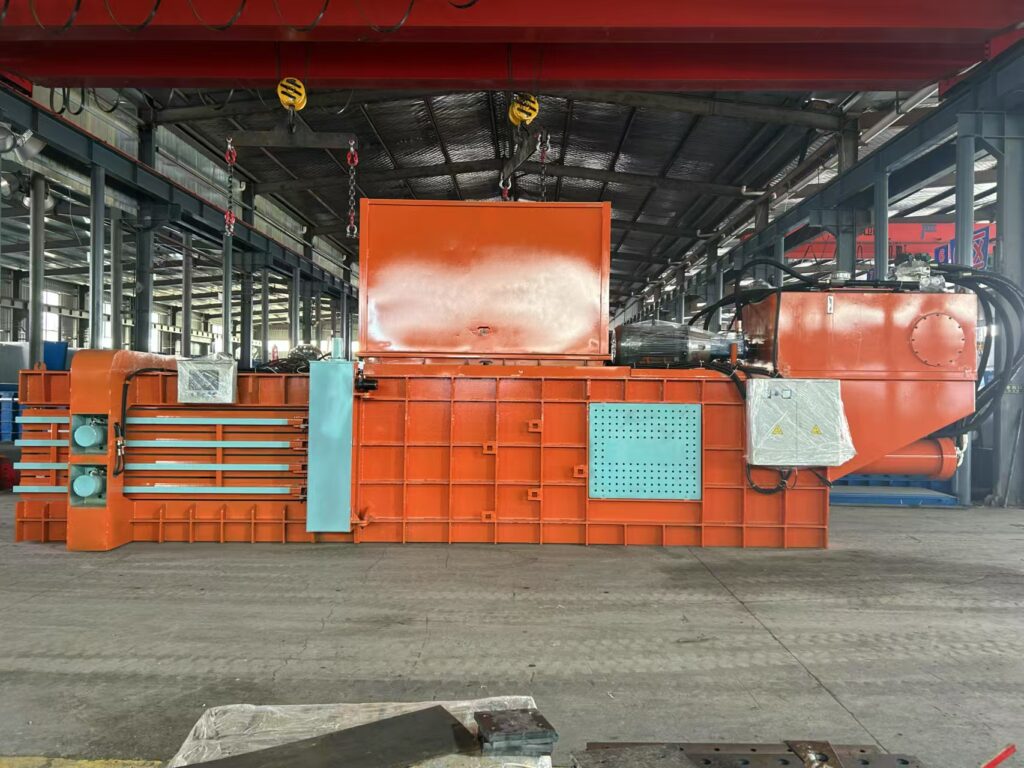
Investing in a fully automatic horizontal baler is not just about buying a machine—it is about upgrading your entire waste handling system.
Higher Efficiency And Continuous Operation
One of the biggest advantages is continuous feeding and non-stop operation. Unlike semi-automatic or manual balers, this machine does not need to stop frequently for tying or unloading. This dramatically increases hourly throughput and reduces processing time.
For medium to large recycling plants, this efficiency can mean hundreds of tons of additional output per month.
Significant Labor Cost Reduction
With automatic tying and PLC control, only one operator is usually required to monitor the system. This greatly reduces labor costs, minimizes human error, and improves workplace safety.
In regions where labor costs are rising or skilled workers are hard to find, this advantage is especially valuable.
Consistent Bale Size And Density
Uniform bale size and high density are crucial for transportation and storage efficiency. Fully automatic horizontal balers produce tight, consistent bales, which:
-
Maximize container loading
-
Reduce transportation cost per ton
-
Improve acceptance by recycling mills
This consistency directly improves your downstream sales value.
Improved Safety And Reliability
Modern fully automatic balers are equipped with safety sensors, emergency stop systems, and overload protection. Operators are not required to manually enter dangerous areas, significantly reducing the risk of accidents.
Heavy-duty hydraulic components and wear-resistant materials also ensure long service life and stable performance.
Key Applications In Different Industries
Recycling Plants And Waste Sorting Centers
In large recycling facilities, materials arrive continuously and in large volumes. A fully automatic horizontal baler matches this workflow perfectly by processing materials without interruption.
Manufacturing And Industrial Facilities
Factories producing packaging waste, plastic scraps, or textile waste can integrate the baler directly into their production line. This allows waste to be compressed immediately, keeping the workshop clean and organized.
Logistics And Distribution Centers
High volumes of cardboard and plastic packaging are generated daily. Automatic baling helps logistics centers reduce storage space and disposal frequency.
How To Use A Fully Automatic Horizontal Baler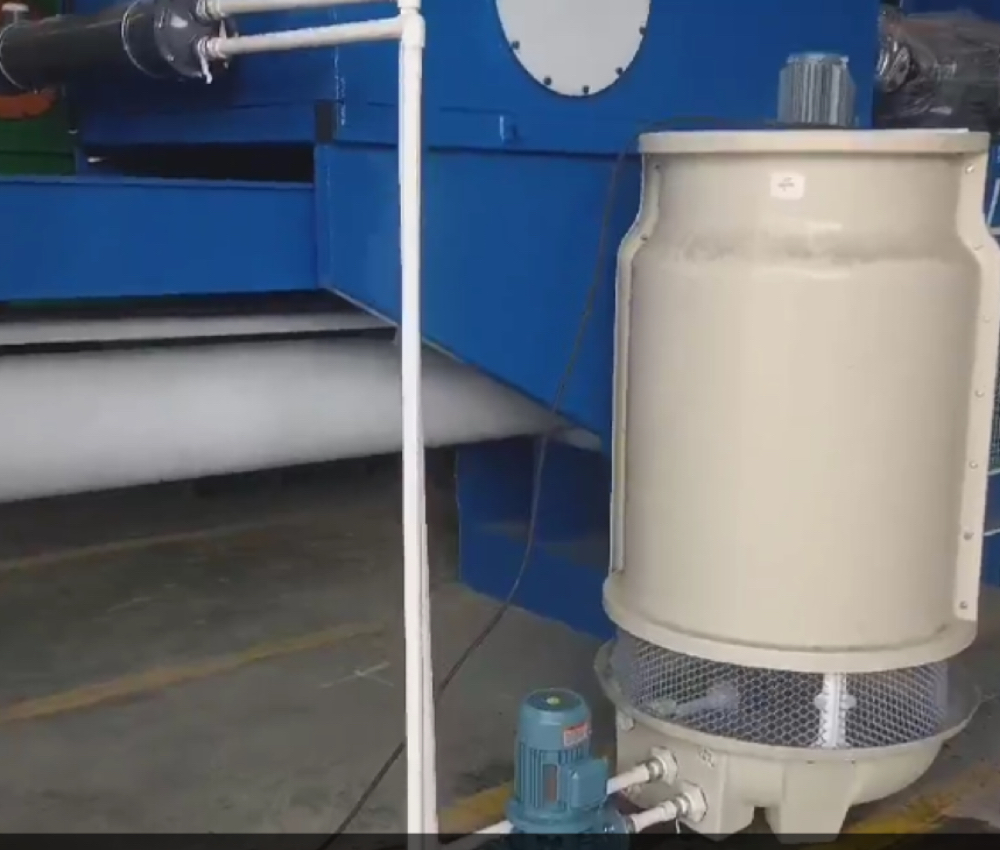
Proper operation is essential to ensure safety, efficiency, and machine longevity.
Step One: Installation And Setup
The machine should be installed on a flat, solid concrete foundation. Electrical power, hydraulic oil, and compressed air (if required) must meet the manufacturer’s specifications.
After installation, parameters such as bale length, compression force, and tying intervals should be set via the PLC control panel.
Step Two: Material Feeding
Materials are fed into the baler through a conveyor or hopper. For best results:
-
Avoid oversized or rigid contaminants
-
Ensure materials are evenly distributed
-
Maintain a continuous feeding flow
This helps achieve stable compression and consistent bale quality.
Step Three: Automatic Compression And Tying
Once materials enter the chamber, the hydraulic ram compresses them automatically. When the preset bale length is reached, the machine activates the automatic wire tying system, securing the bale firmly without manual intervention.
This process ensures high efficiency and uniform results.
Step Four: Bale Discharge And Storage
After tying, the finished bale is pushed out automatically. Operators can use forklifts or conveyors to transport bales to storage or loading areas.
Regular inspection of bale density and wire tension helps maintain quality standards.
Maintenance And Daily Care
Although fully automatic horizontal balers are designed for heavy-duty use, regular maintenance is critical.
Daily Checks
-
Inspect hydraulic oil level and temperature
-
Check wire supply and tying system
-
Observe abnormal noises or vibrations
Periodic Maintenance
-
Replace hydraulic oil as recommended
-
Lubricate moving parts
-
Inspect seals, hoses, and electrical connections
Proper maintenance not only reduces downtime but also extends the machine’s service life significantly.
How To Choose The Right Fully Automatic Horizontal Baler
Selecting the right model depends on several factors:
-
Daily or hourly processing capacity
-
Type and density of materials
-
Required bale size and weight
-
Available installation space
-
Power supply and local voltage
An experienced supplier can recommend the most suitable configuration based on your actual operating conditions.
Conclusion: A Long-Term Investment For Recycling Success
A Fully Automatic Horizontal Baler is more than a piece of equipment—it is a strategic investment in efficiency, safety, and sustainability. By reducing labor costs, improving bale quality, and enabling continuous operation, this machine helps recycling businesses stay competitive in a demanding market.
Whether you are upgrading an existing facility or building a new recycling line, choosing the right fully automatic horizontal baler can significantly improve your operational performance and long-term profitability.