
What Is An Industrial Shredder
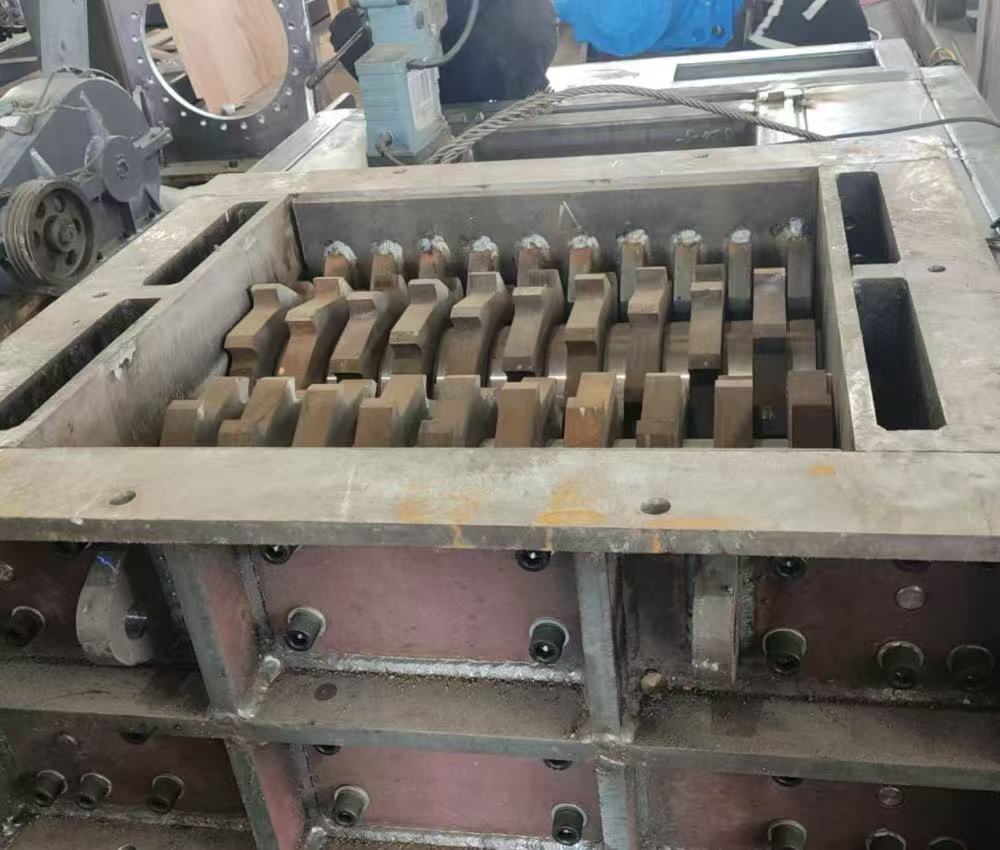
An industrial shredder is a heavy-duty mechanical machine designed to reduce large volumes of materials into smaller, manageable pieces through cutting, tearing, or shearing action. It is widely used in recycling, waste management, manufacturing, and resource recovery industries.
Unlike ordinary crushers or grinders, industrial shredders are built to handle tough, bulky, and irregular materials. These materials may include metals, plastics, wood, rubber, textiles, electronic waste, and even end-of-life products such as vehicles or appliances. By breaking down materials into smaller sizes, shredders make transportation, sorting, recycling, and further processing much more efficient.
At its core, an industrial shredder consists of a feeding system, rotating cutting shafts equipped with blades, a drive system powered by an electric motor or hydraulic unit, and a control system that ensures safe and stable operation. Depending on the application, shredders can be configured as single-shaft, double-shaft, or multi-shaft machines, each serving different material and output requirements.
Types Of Industrial Shredders
Single Shaft Shredder
A single shaft shredder uses one rotating shaft with cutting blades and a hydraulic pusher to feed material toward the rotor. It is ideal for controlled size reduction and produces uniform output. This type is commonly used for plastics, textiles, paper, wood, and light metals.
Double Shaft Shredder
A double shaft shredder features two counter-rotating shafts that grab and tear materials apart. It is known for its high torque, low speed, and strong ripping force. This makes it suitable for metal scrap, drums, aluminum profiles, cables, and mixed waste.
Four Shaft Shredder
Four shaft shredders are designed for precise size control and high security applications, such as electronic waste, hazardous materials, and confidential destruction. They combine pre-shredding and fine shredding in one system.
Why Industrial Shredders Are Essential In Modern Industry
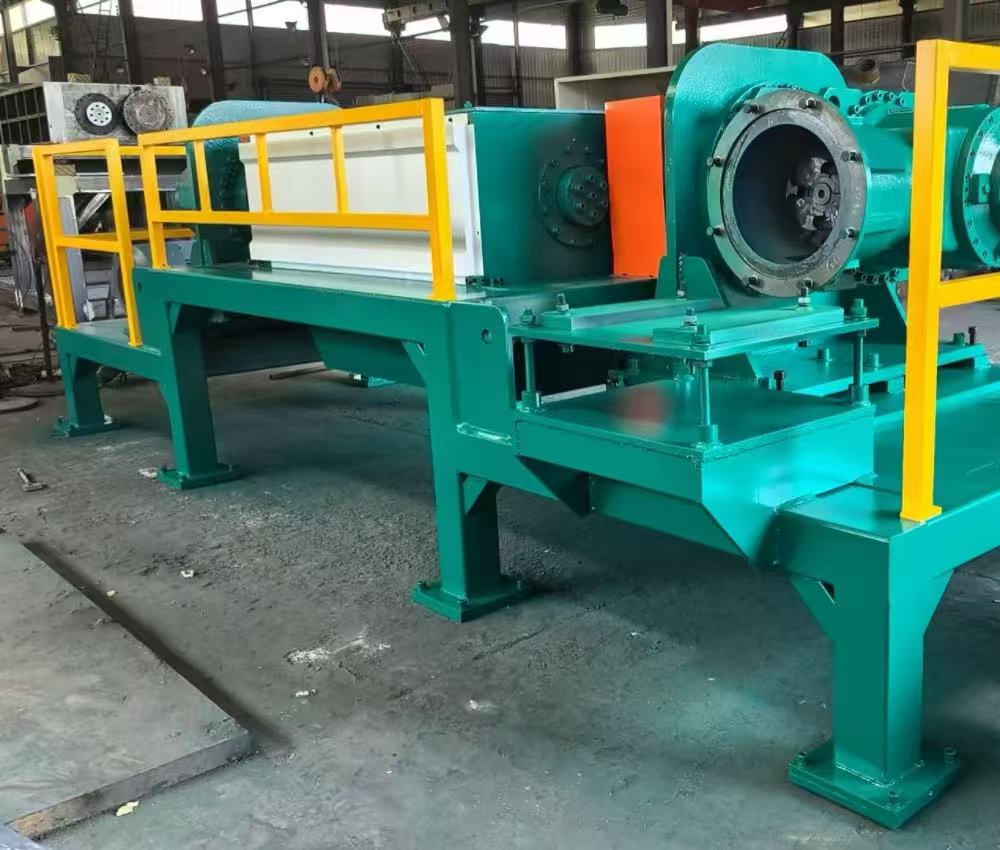
Improving Recycling Efficiency
One of the primary reasons industrial shredders are essential is their role in recycling. Large or bulky waste materials cannot be directly recycled or processed. Shredding reduces material size, allowing for easier sorting, washing, melting, or reprocessing. This significantly improves recycling efficiency and material recovery rates.
Reducing Transportation And Storage Costs
Shredded materials occupy less space than unprocessed waste. By reducing volume, companies can lower transportation costs and maximize storage capacity. This is particularly important for industries handling metal scrap, plastic waste, or bulky industrial leftovers.
Enhancing Safety And Compliance
Handling large waste items can be dangerous. Shredders help eliminate sharp edges, unstable shapes, and hazardous components. In many regions, environmental and safety regulations require waste to be processed before disposal or recycling, making shredders a compliance necessity.
Supporting Sustainable Development
Industrial shredders play a vital role in the circular economy. By enabling material reuse and recycling, they reduce landfill dependency, conserve natural resources, and lower carbon emissions. For companies aiming to improve their environmental footprint, shredders are a strategic investment.
Key Applications Of Industrial Shredders
Metal Recycling Industry
In metal recycling, shredders are used to process steel scrap, aluminum profiles, copper cables, radiators, and even entire vehicles. Shredding prepares metal for separation and further processing such as baling or melting.
Plastic And Packaging Waste
Plastic bottles, containers, films, and industrial plastic scrap are commonly shredded before washing and granulation. A shredder ensures consistent particle size and stable downstream processing.
Wood And Biomass Processing
Wood pallets, furniture waste, and construction wood are shredded for reuse, energy generation, or composite material production.
Electronic And Electrical Waste
E-waste shredding allows recovery of valuable metals while ensuring data destruction and environmental safety.
How An Industrial Shredder Works
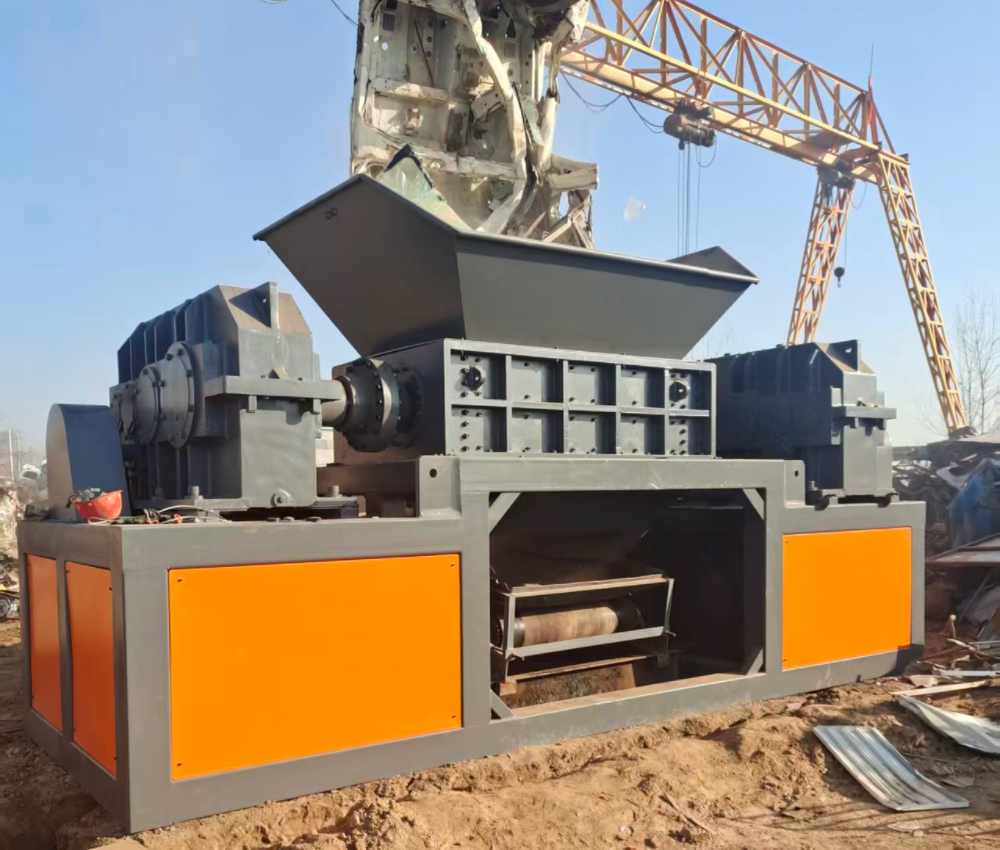
Materials are fed into the shredder through a hopper or conveyor system. Depending on the machine design, feeding can be manual or fully automated. Proper feeding ensures stable operation and protects the cutting system from overload.
Cutting And Shredding Mechanism
Once inside the chamber, rotating shafts equipped with blades grip, tear, and cut the material. High-torque drive systems allow the shredder to process even hard or tough materials without excessive speed, reducing wear and energy consumption.
Size Control And Output
Some shredders are equipped with screens or adjustable cutters to control output size. The shredded material exits the machine and can be conveyed to the next processing stage, such as a baler, separator, or granulator.
Control And Safety System
Modern industrial shredders use PLC control systems with overload protection, automatic reverse functions, and emergency stop mechanisms. These features ensure safe, continuous operation and minimize downtime.
How To Use An Industrial Shredder Correctly
Step One: Material Assessment
Before operation, identify the type, size, and hardness of the material. Different materials require different blade configurations and operating parameters. Feeding unsuitable materials may cause damage or reduce efficiency.
Step Two: Machine Setup
Ensure the shredder is installed on a stable foundation, properly connected to power supply, and aligned with upstream and downstream equipment. Check oil levels, blade condition, and safety devices before startup.
Step Three: Controlled Feeding
Feed materials gradually and evenly. Avoid overloading the shredder, as this may trigger protection systems or cause mechanical stress. For large or thick materials, pre-cutting may be recommended.
Step Four: Monitoring Operation
During operation, monitor sound, vibration, and output quality. Any abnormal behavior should be addressed immediately. Regular observation helps prevent unexpected breakdowns.
Step Five: Maintenance And Blade Replacement
Routine maintenance is essential. Blades should be inspected and replaced or sharpened when worn. Proper lubrication and cleaning extend machine lifespan and maintain consistent performance.
How To Choose The Right Industrial Shredder
Based On Material Type
Metal, plastic, wood, and mixed waste all require different shredding solutions. Selecting the right shredder ensures optimal performance and blade life.
Based On Throughput Requirement
Production capacity determines machine size, motor power, and shaft configuration. Oversized or undersized machines lead to inefficiency and higher operating costs.
Based On Output Size
If precise particle size is required, a shredder with size control features should be selected.
Based On Power And Site Conditions
Local voltage, transformer capacity, and space availability should be considered when choosing a shredder.
Conclusion: The Value Of An Industrial Shredder
An industrial shredder is more than just a size reduction machine. It is a critical component in modern recycling and manufacturing systems. By improving efficiency, reducing costs, enhancing safety, and supporting sustainability, shredders create long-term value for businesses across industries.
Choosing the right shredder and using it correctly ensures reliable operation, high output quality, and a strong return on investment. As global demand for recycling and resource recovery continues to grow, industrial shredders will remain an indispensable solution for the future.