
What Is An Industrial Shredder
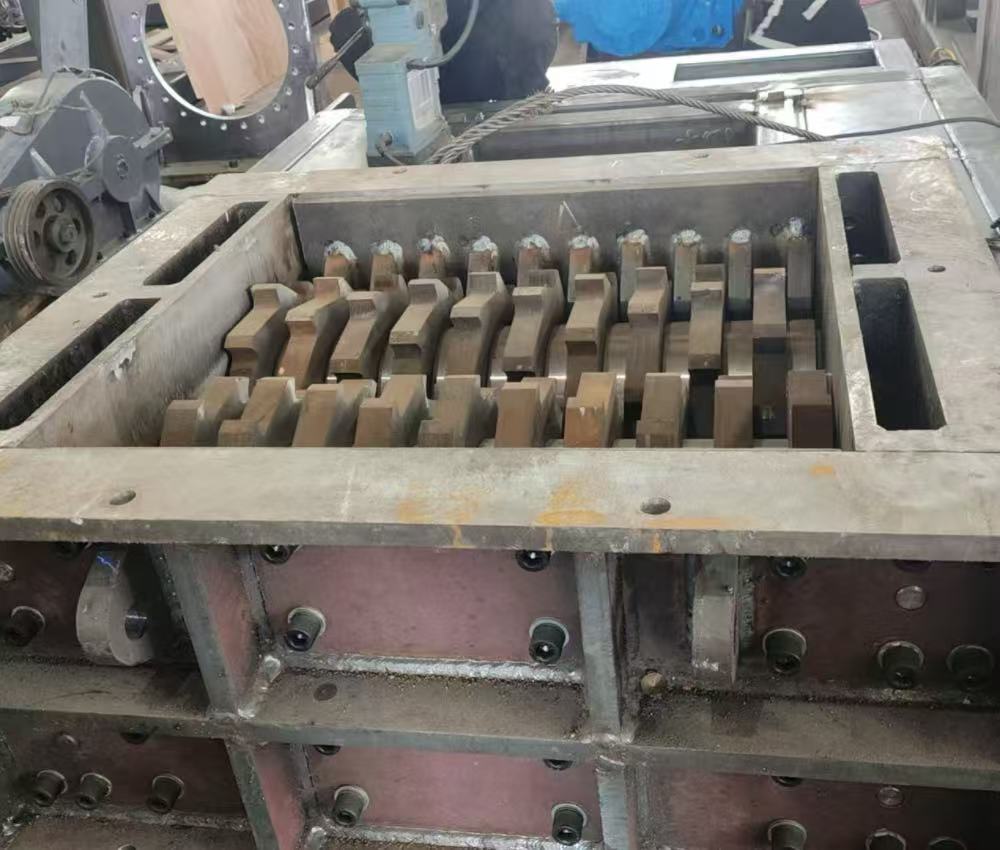
rotating cutters, blades, or knives to tear, cut, and shear materials with high torque and controlled speed. Compared with ordinary shredding equipment, industrial shredders are built for heavy-duty applications, continuous operation, and long service life.
Industrial shredders are widely used in recycling plants, waste management centers, metal processing facilities, manufacturing factories, and environmental protection projects. They can process a wide range of materials, including plastics, rubber, paper, wood, textiles, electronic waste, aluminum scrap, steel scrap, cables, tires, and mixed industrial waste.
Depending on the application and material characteristics, industrial shredders are available in different structures such as single-shaft shredders, double-shaft shredders, and multi-shaft shredders. Each type offers unique advantages in terms of cutting efficiency, output size control, and adaptability to different materials.
How An Industrial Shredder Works
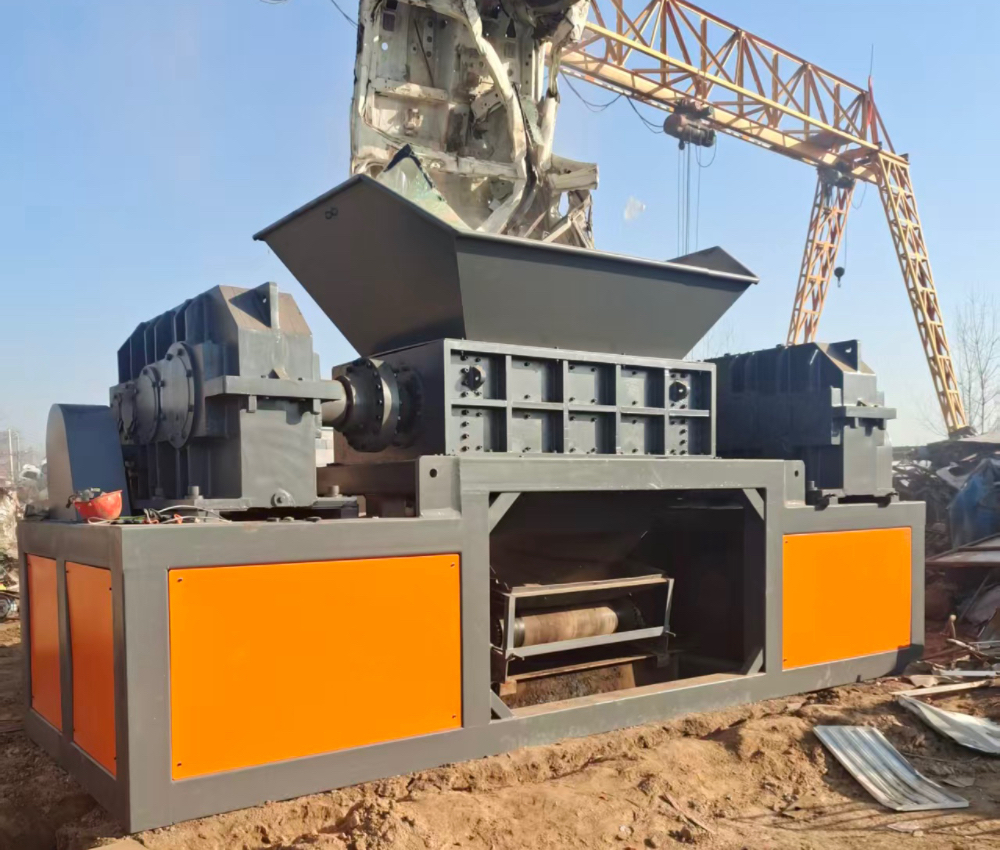
An industrial shredder operates based on high torque and low-speed rotation. Materials are fed into the shredding chamber through a hopper, conveyor belt, or hydraulic feeding system. Inside the chamber, rotating cutters interact with fixed counter-knives to grip and tear the material.
As the cutters rotate, the material is pulled inward and gradually reduced in size. The final output size depends on the cutter configuration, blade thickness, and the presence of a screen or grate. Some shredders are designed to produce coarse output for primary shredding, while others provide fine output for secondary processing.
Modern industrial shredders are equipped with advanced control systems such as PLC controllers. These systems monitor motor load, torque, temperature, and operating status. If an overload or unshreddable object is detected, the shredder can automatically reverse or stop to protect the machine and extend its service life.
How To Use An Industrial Shredder Properly
Correct operation is essential to ensure safety, efficiency, and long-term reliability.
Before starting the shredder, operators should conduct a full inspection. Check for loose bolts, worn blades, oil levels, and proper electrical connections. Ensure all safety guards are installed and emergency stop buttons are functional.
During operation, materials should be fed evenly and continuously. Avoid feeding excessive amounts at once, as this may cause overload or blade damage. For heavy or bulky materials, it is recommended to use a conveyor or hydraulic pusher system instead of manual feeding.
Operators should closely monitor the shredder’s operating parameters, including current, noise, vibration, and temperature. Any abnormal sound or sudden change in performance may indicate blade wear or mechanical issues and should be addressed immediately.
After operation, the shredder should be cleaned to remove residual materials. Regular shutdown inspections help identify potential problems early and prevent unexpected downtime.
How To Choose The Right Industrial Shredder
Choosing the right industrial shredder requires careful consideration of several key factors.
The first factor is material type. Soft materials such as plastic films or paper require different cutter designs than hard materials like metal scrap or electronic waste. Knowing the material’s hardness, thickness, and shape is essential.
The second factor is capacity requirement. You should clearly define your desired throughput per hour or per day. Selecting a shredder with insufficient capacity will limit productivity, while an oversized machine may result in unnecessary investment.
The third factor is output size. Different downstream processes require different material sizes. For example, balers typically need larger pieces, while granulators or smelters require smaller and more uniform output.
Finally, consider machine durability, spare parts availability, energy consumption, and after-sales service. A reliable supplier with strong technical support is just as important as the machine itself.
Applications Of Industrial Shredders Across Industries
Industrial shredders are used across a wide range of industries. In the recycling industry, they are essential for processing plastic waste, metal scrap, and electronic waste. In the manufacturing sector, shredders help recycle production scraps and defective products.
In waste management, shredders are used to process municipal solid waste, bulky waste, and industrial waste before sorting or disposal. In the energy sector, shredded materials can be used as alternative fuels or raw materials for waste-to-energy projects.
Their versatility makes industrial shredders a core component in modern circular economy systems.
Maintenance And Service For Long-Term Performance
Proper maintenance is key to ensuring stable performance and long service life.
Regular blade inspection and sharpening help maintain cutting efficiency and reduce energy consumption. Lubrication systems should be checked frequently to ensure bearings and gearboxes operate smoothly.
Electrical systems, sensors, and control units should be inspected periodically to prevent unexpected failures. Keeping a maintenance log helps track machine condition and schedule preventive maintenance effectively.
Future Trends In Industrial Shredding Technology
With continuous advances in automation and environmental technology, industrial shredders are evolving toward higher intelligence and energy efficiency. Modern shredders are increasingly equipped with smart monitoring systems, remote diagnostics, and data-based performance analysis. These features allow operators to predict maintenance needs, reduce unplanned downtime, and optimize operating costs. At the same time, energy-saving motors and optimized cutter designs are helping reduce power consumption while maintaining high throughput. In the future, industrial shredders will play an even more important role in smart recycling plants and fully automated waste processing lines.
Common Mistakes To Avoid When Using Industrial Shredders
Although industrial shredders are designed for heavy-duty operation, improper use can significantly reduce efficiency and machine lifespan. One common mistake is feeding unsuitable materials into the shredder. Materials that are too hard, too thick, or contain unshreddable components may cause blade damage or motor overload.
Another frequent issue is uneven or excessive feeding. Overloading the shredding chamber can lead to increased wear, frequent blockages, and unexpected downtime. Consistent and controlled feeding ensures stable performance and better output quality.
Neglecting routine maintenance is also a major mistake. Worn blades, insufficient lubrication, and loose bolts can gradually reduce cutting efficiency and increase energy consumption. Regular inspection and timely replacement of critical parts help prevent serious failures.
Finally, ignoring operator training can create safety risks. Proper training ensures that operators understand correct startup procedures, emergency stops, and basic troubleshooting. Avoiding these common mistakes will help maximize shredder performance, improve safety, and protect your long-term investment.
Conclusion: An Essential Machine For Efficient Material Processing
An industrial shredder is more than just a size-reduction machine—it is the foundation of efficient recycling and waste processing systems. By improving safety, reducing costs, and increasing material value, industrial shredders help businesses meet environmental goals while maintaining profitability.
Whether you are processing plastic waste, metal scrap, electronic waste, or industrial by-products, investing in the right industrial shredder and operating it correctly will bring long-term benefits and sustainable growth.