
Introduction To Metal Shredders
Metal shredders are powerful machines designed to reduce scrap metal into smaller, manageable pieces. They play a critical role in the recycling industry, helping transform discarded metals into reusable raw materials. These machines are widely used in industries such as automotive recycling, construction, manufacturing, and metal processing.
With the increasing demand for sustainable practices and resource recovery, metal shredders have become essential for businesses looking to minimize waste and maximize profits. But what exactly are metal shredders, how do they work, and how should you choose the right one? Let’s explore.
What Is A Metal Shredder?
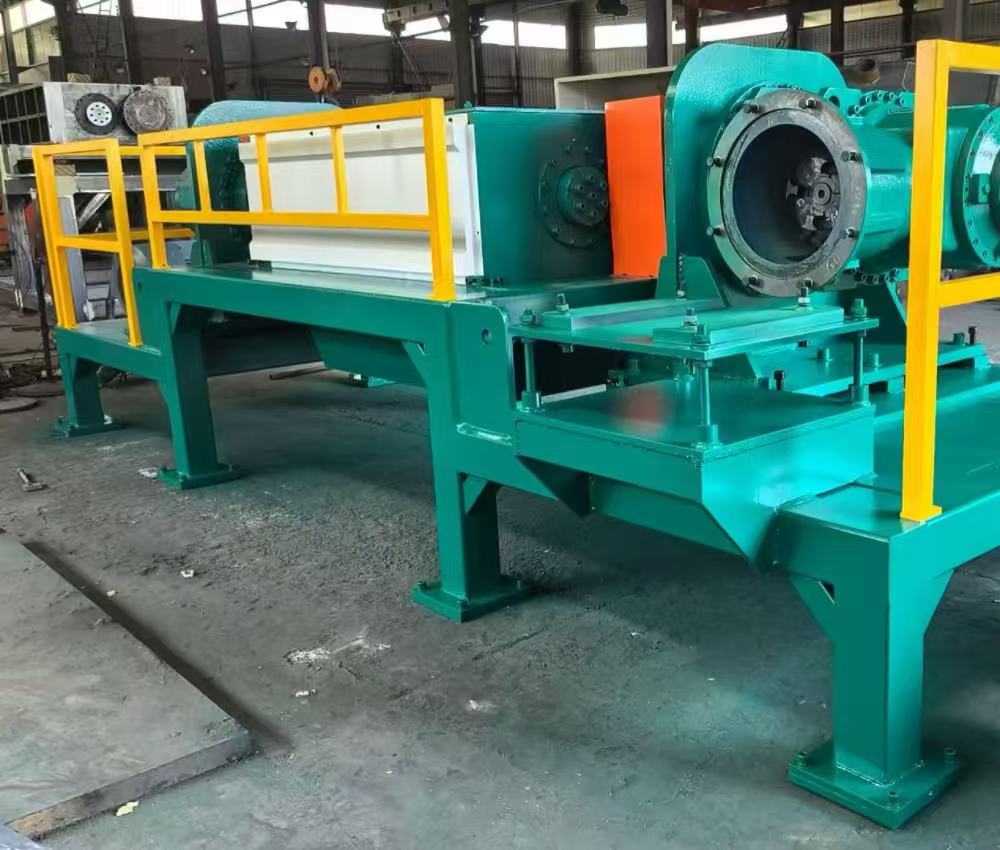
A metal shredder is an industrial machine that uses blades, hammers, or cutters to break down metal materials. The machine can process a variety of metals, including steel, aluminum, copper, and iron. Depending on the design, shredders can handle large metal objects such as car bodies or small scrap pieces like aluminum cans.
Types Of Metal Shredders
-
Single Shaft Shredders – These use one rotating shaft with sharp blades to cut materials. Ideal for smaller scrap and lighter metals.
-
Double Shaft Shredders – Equipped with two counter-rotating shafts, they are more powerful and suitable for bulky scrap.
-
Four Shaft Shredders – Advanced shredders designed for high-volume industrial use, capable of handling complex metal objects.
-
Hammer Mills – Use high-speed hammers to crush and pulverize metal. Best for processing thin sheet metals or small scrap.
Why Are Metal Shredders Important?
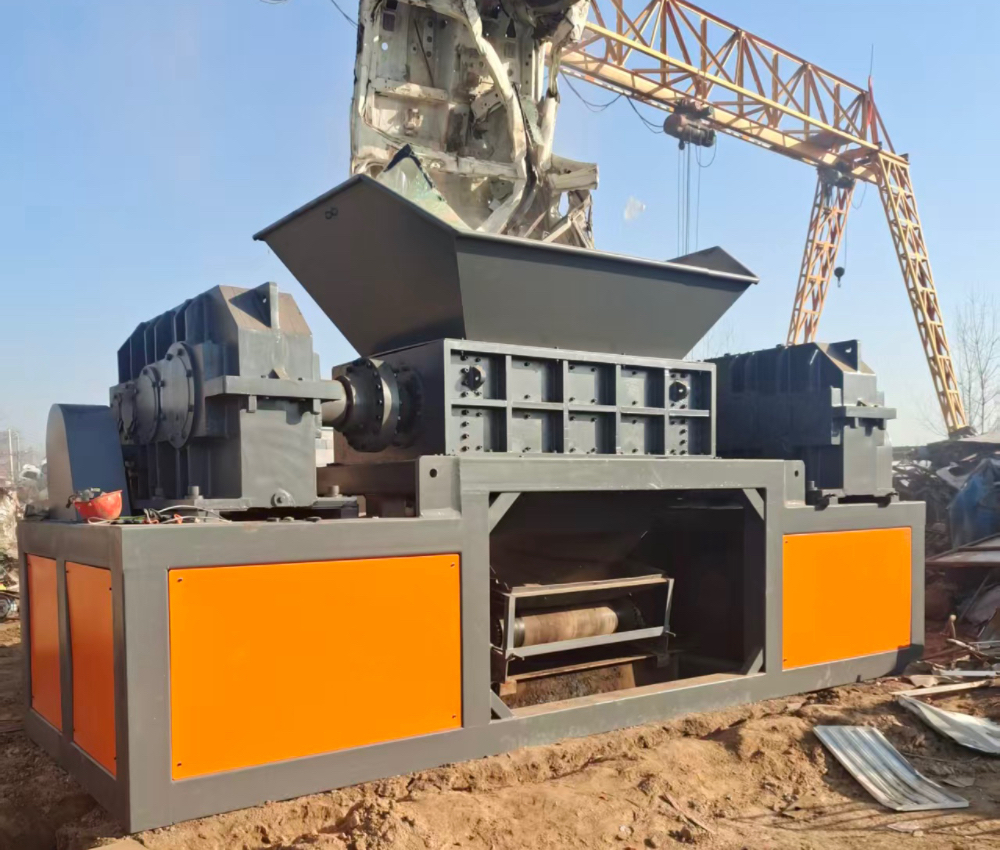
Metal shredders are not just machines; they are tools for sustainability and profitability. Here’s why they matter:
-
Recycling Efficiency – Shredders reduce metal scrap into smaller sizes, making it easier to transport and recycle.
-
Cost Savings – Smaller metal pieces can be processed faster and sold at competitive rates, improving business margins.
-
Environmental Benefits – Recycling metals reduces the need for mining, conserves energy, and lowers carbon emissions.
-
Space Optimization – Large bulky metals take up a lot of space. Shredding them reduces storage needs significantly.
-
Safety Improvement – Handling smaller, uniform pieces of metal is safer for workers compared to large, sharp scrap.
How To Use A Metal Shredder
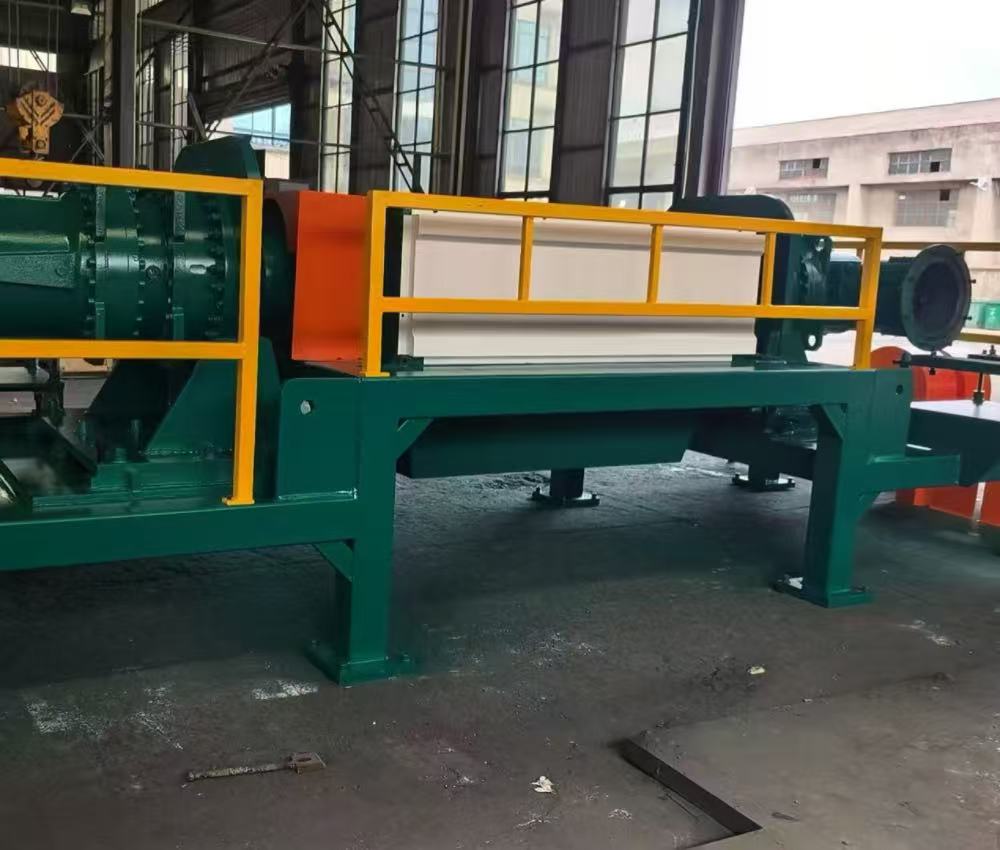
Using a metal shredder safely and effectively requires understanding the machine and following operational procedures.
Step-By-Step Guide
-
Preparation – Inspect the machine for any damage and ensure all safety guards are in place. Wear protective equipment, including gloves, goggles, and ear protection.
-
Material Selection – Only feed metals suitable for your shredder model. Remove non-metal materials like plastics, wood, or electronics that may damage blades.
-
Feeding The Machine – Slowly feed the metal into the shredder. Do not overload. Many modern shredders have automatic feeding systems for efficiency.
-
Monitoring Operation – Keep an eye on the motor load, blade condition, and material flow. Modern shredders often come with PLC controls to monitor performance.
-
Maintenance – Regularly inspect blades, bearings, and hydraulic systems. Lubricate moving parts and replace worn-out components to ensure long-term performance.
Choosing The Right Metal Shredder Model
Selecting the right shredder depends on the type of metal, production capacity, and operational needs. Consider the following factors:
-
Material Type – Soft metals like aluminum can be handled by single-shaft shredders, while hard metals like steel require double or four-shaft shredders.
-
Throughput Capacity – Estimate the amount of metal you need to process per hour or per day. Higher capacity machines are larger and more powerful but cost more.
-
Blade Design – Some shredders offer interchangeable blades for different metal types. Check if the blades are easy to replace.
-
Automation Features – Automatic feeding, PLC control, and hydraulic ejection systems improve efficiency and reduce labor costs.
-
Space And Power Requirements – Ensure your facility can accommodate the machine’s size and electrical needs. Common voltages include 380V or 440V three-phase.
-
Maintenance Accessibility – Choose a machine that allows easy access to critical components for inspection and replacement.
Tips For Maximizing Metal Shredder Performance
-
Avoid Overloading – Overfeeding can damage the motor and blades. Feed consistently and within the machine’s capacity.
-
Regular Cleaning – Metal dust and debris can accumulate. Clean the shredder regularly to prevent blockages and wear.
-
Proper Blade Maintenance – Sharpen or replace blades when they become dull. Dull blades reduce efficiency and increase energy consumption.
-
Monitor Motor Performance – Check amperage and motor temperature to prevent overheating.
-
Train Operators – Properly trained operators reduce the risk of accidents and ensure the machine works efficiently.
Conclusion
Metal shredders are indispensable tools for modern recycling and metal processing operations. They not only make metal handling safer and more efficient but also contribute to environmental sustainability and cost savings. By understanding what metal shredders are, why they are important, how to operate them, and how to choose the right model, businesses can maximize the value of their scrap metal and improve overall productivity.
Whether you are processing aluminum cans, steel beams, or automotive scrap, investing in the right metal shredder can be a game-changer for your recycling operations. Always prioritize quality, capacity, and safety when selecting a machine, and maintain it properly for long-term reliability.