
Introduction To Shredder Machines
As global waste volumes continue to rise, industries, recycling centers, and manufacturing plants are seeking reliable ways to reduce material size efficiently. This is where shredder machines come into play. Whether processing plastic, metal, wood, textiles, cardboard, or electronic waste, shredders provide a powerful and consistent solution for breaking down bulky materials into smaller, manageable pieces.
A shredder machine is not just a piece of equipment — it is an essential tool that helps organizations reduce waste volume, improve recycling efficiency, enhance material handling, and increase profitability. In this blog, we explore what a shredder machine is, why it is important, how to use it safely, and how to choose the right model for your business.
What Is A Shredder Machine?
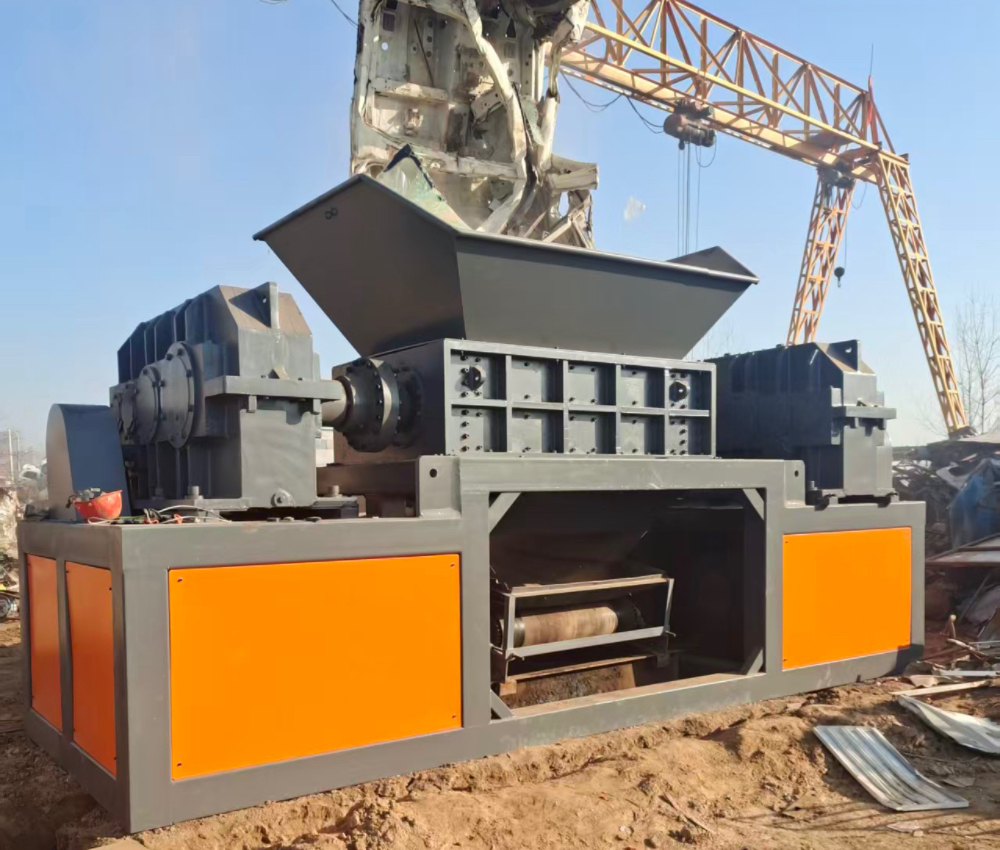
A shredder machine, also known as an industrial shredder, is a mechanical device designed to cut, tear, shear, or grind materials into smaller particles. Unlike crushers, which mainly crush materials through high-speed impact, shredders use slow-speed torque and sharp blades to break down items effectively and safely.
Common Types Of Shredder Machines
-
Single Shaft Shredder
Uses one rotating shaft with blades. Ideal for plastics, rubber, wood, textiles, and light metals. -
Double Shaft Shredder
Features two counter-rotating shafts. Suitable for tough materials like scrap metal, tires, e-waste, and bulky waste. -
Four Shaft Shredder
Provides finer output size and higher efficiency. Often used for secure destruction and materials requiring secondary shredding. -
Granulator-Shredder Combination
Includes both shredding and granulating functions in one line. Perfect for plastic recycling plants.
Why Shredder Machines Are Important
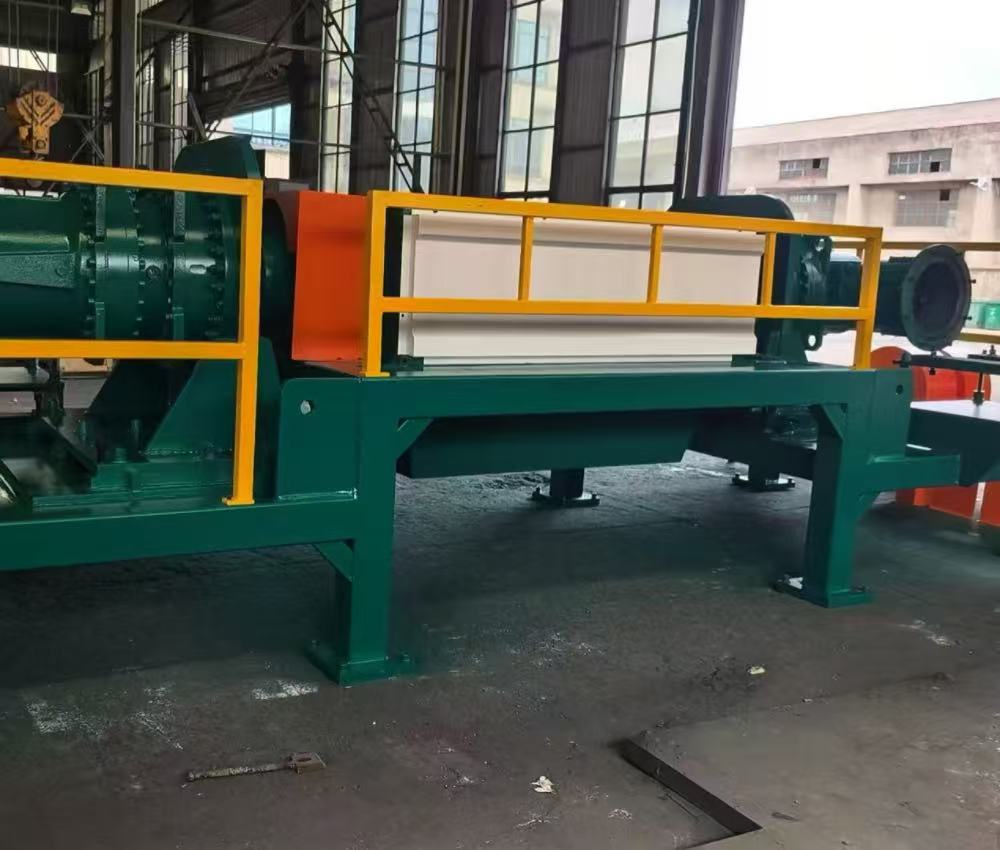
Industrial shredder machines play a critical role across multiple industries. Here are the core reasons why companies invest in shredders:
1. Waste Volume Reduction
Shredders drastically reduce material size — sometimes up to 80–90% — making storage, transport, and handling easier and cheaper.
2. Improved Recycling Efficiency
Many materials must be shredded before they can be washed, melted, or reprocessed. Shredding creates uniform pieces that improve downstream processing.
3. Cost Savings
Shredding waste reduces transportation fees, landfill fees, and labor costs. It also helps recover valuable materials for resale.
4. Enhanced Safety And Cleanliness
Instead of manually cutting or smashing materials, shredders automate the process, reducing workplace accidents and keeping the facility cleaner.
5. Environmental Benefits
Shredding encourages recycling, reduces landfill pressure, and supports sustainability goals for modern manufacturers.
How Shredder Machines Work
Although different shredders have unique structures, all machines follow the same basic working principle:
-
Material Feeding
Waste materials are fed manually or by conveyor belt into the hopper. -
Cutting And Shearing
The motor drives the shaft(s), causing sharp blades to rotate and shear the material. -
Size Reduction
Materials are shredded into smaller pieces. Output size depends on screen size, blade configuration, and machine design. -
Discharge
The shredded material falls through a screen and is collected, transported, or sent to the next processing stage.
How To Use A Shredder Machine Safely
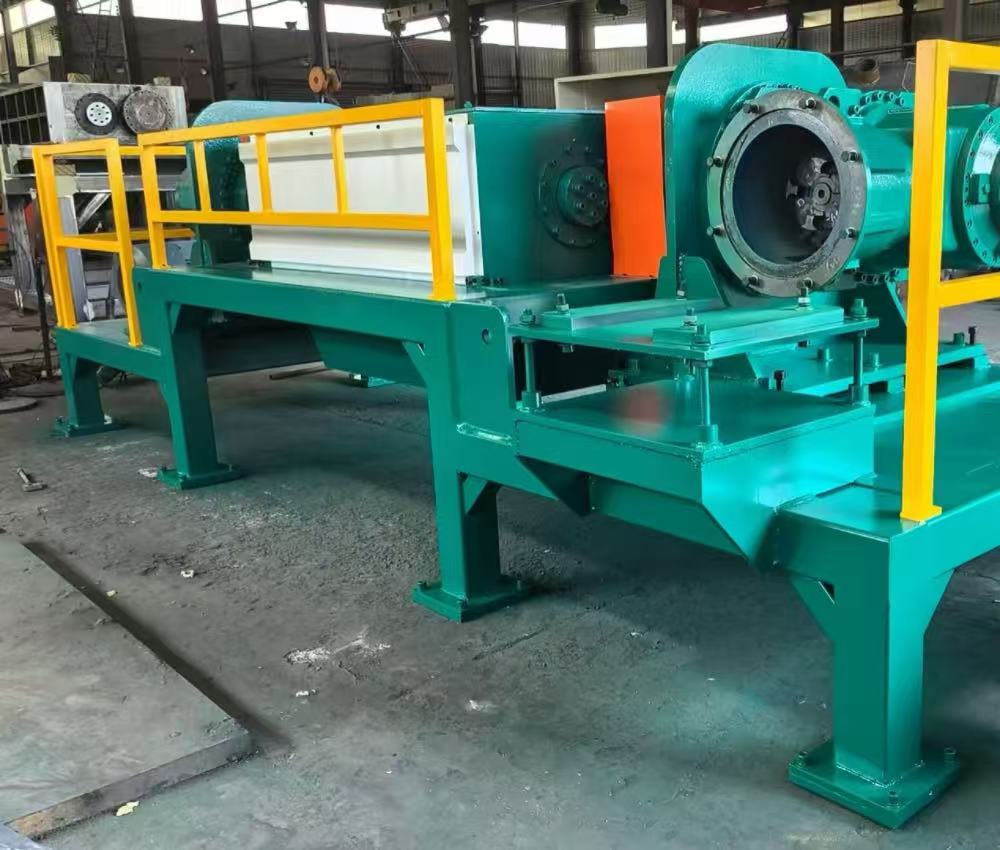
Proper usage of a shredder ensures efficiency and extends machine lifespan. Follow these steps:
1. Pre-Operation Checks
-
Inspect blades for wear or damage
-
Check oil levels and lubrication
-
Ensure power supply meets the machine’s requirement
-
Confirm that guards and safety covers are secured
2. Feeding Materials Correctly
-
Feed materials evenly to avoid overload
-
Do not push materials by hand — use tools or conveyors
-
Do not mix materials that may damage the blades (stone, hardened steel, etc.)
3. Operating The Machine
-
Start the machine and allow it to reach normal speed
-
Monitor current load to prevent over-torque
-
Do not stand directly above the hopper
-
Use emergency stop buttons when needed
4. After-Use Maintenance
-
Clean the hopper and discharge outlet
-
Tighten loose bolts
-
Replace or sharpen blades regularly
-
Check bearings and gearbox for unusual noise
Key Features To Consider When Choosing A Shredder Machine
Selecting the right shredder model can significantly improve operational efficiency. Here are the essential factors to evaluate:
1. Material Type
Different materials require different shredders:
-
Plastic: single shaft or granulator-shredder
-
Metal: double shaft or heavy-duty four shaft
-
Cardboard & Paper: high-speed shredding shaft
-
Textile: single shaft shredder with strong pulling force
-
Tires: high-torque double shaft shredder
2. Output Size Requirements
Your desired particle size determines:
-
Screen type and size
-
Blade design
-
Single-stage or two-stage shredding
If you need fine material, consider a combination system (shredder + granulator).
3. Capacity And Throughput
Key parameters include:
-
kg/h or ton/h output
-
Hopper size
-
Motor power
-
Shaft speed
Higher throughput requires stronger motors and larger chambers.
4. Blade Material And Durability
Common blade materials:
-
55SiCr: for general plastic
-
D2: hardened, suitable for tough materials
-
SKD-11: premium, long life and high strength
For metal and tire shredding, choose wear-resistant alloy blades.
5. Motor And Transmission System
A good shredder should have:
-
Brand motors (Siemens, ABB, etc.)
-
High-quality gearbox (Guomao or SEW)
-
Stable torque output
-
Overload protection
6. Maintenance Design
Look for:
-
Easy blade replacement
-
Convenient access doors
-
Removable screens
-
Automatic lubrication system
7. Energy Efficiency
Modern shredders offer:
-
Variable frequency control
-
Energy-saving motors
-
Intelligent load control systems
These features help reduce electricity costs.
Practical Tips For Selecting The Right Shredder Model
To choose the best model for your application, consider the following:
1. Identify Your Material Characteristics
Ask yourself:
-
Is the material soft, hard, or tough?
-
Any metal or contaminants inside?
-
What is the maximum size of the material before shredding?
This information determines the shredder structure and blade design.
2. Define Your Daily Or Hourly Processing Volume
For example:
-
Less than 500 kg/h → small single shaft shredder
-
500–2000 kg/h → medium double shaft shredder
-
More than 2 tons/h → heavy-duty industrial shredder
3. Consider Space And Installation Limitations
Make sure the machine fits:
-
Workshop height
-
Floor space
-
Ventilation and access paths
4. Evaluate Total Cost Of Ownership
Don’t only look at the machine price. Consider:
-
Blade replacement frequency
-
Electricity consumption
-
Maintenance cost
-
Spare parts availability
A high-quality shredder may have a higher initial cost but saves money long-term.
5. Ask For Testing Videos Or Sample Shredding
Always request:
-
Actual shredding test videos
-
Customer case studies
-
CE / ISO certifications
-
After-sales service plan
This ensures your chosen supplier is reliable and experienced.
Conclusion: A Shredder Machine Is A Smart Investment
A shredder machine is an essential tool for modern industries that deal with solid waste, recycling, manufacturing scraps, or material size reduction. It improves efficiency, reduces costs, enhances safety, and supports environmental sustainability.
Whether you are processing plastic, metal, cardboard, wood, or textiles, choosing the right shredder model can significantly boost productivity and profitability. By understanding what a shredder machine is, how it works, and the key factors to consider when selecting a model, you can make an informed decision that fits your operational needs.