
What Is a Used Metal Baler Machine?
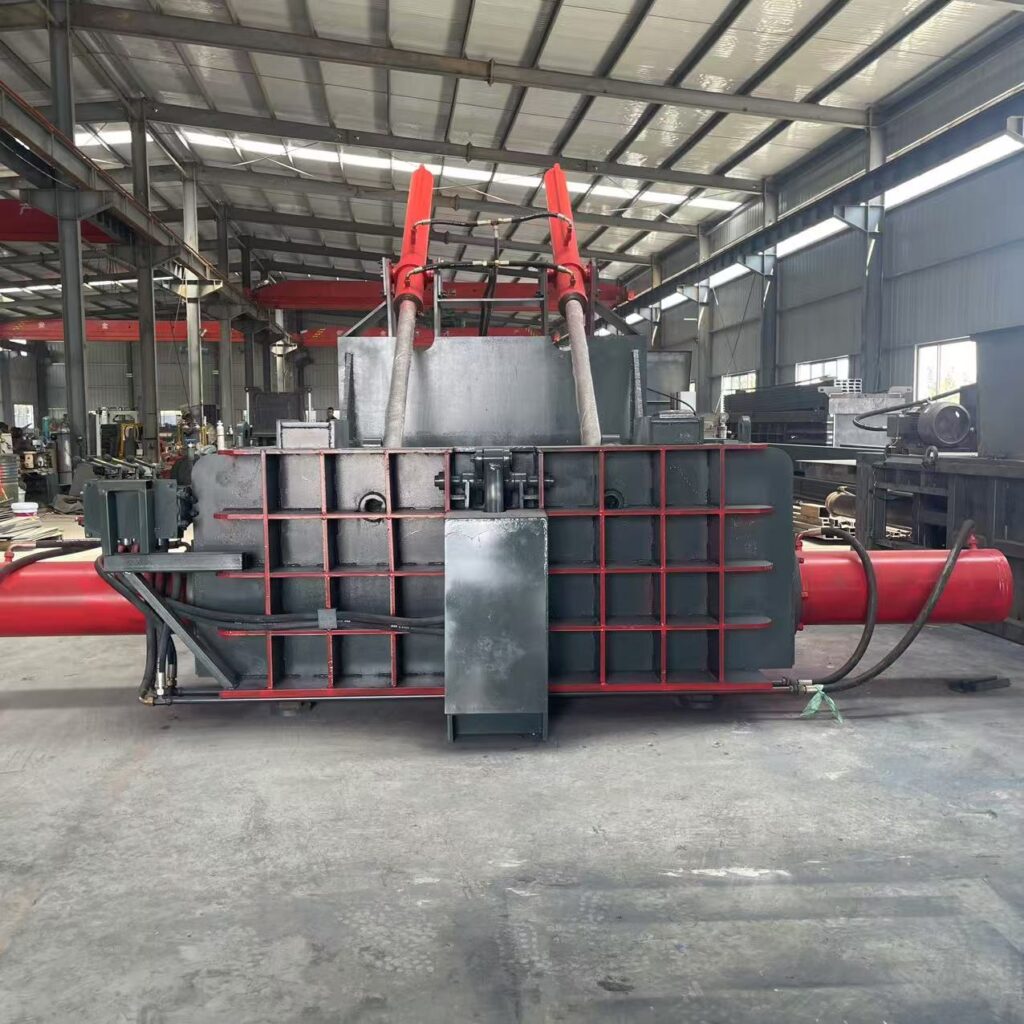
A used metal baler machine is a type of recycling equipment designed to compress and bundle scrap metal materials into compact, dense bales for easier handling, storage, and transportation. The machine works through a hydraulic system that exerts high pressure to compress various types of metal waste — including aluminum, steel, copper, iron, and stainless steel — into uniform blocks or packages.
Although new balers are widely available, many recycling businesses and metal processing facilities choose used metal balers because they offer a cost-effective and efficient solution while still maintaining good working performance. A high-quality second-hand baler can perform nearly as well as a new one if it has been properly inspected, maintained, and refurbished.
Why Choose a Second-Hand Metal Baler Machine
1. Cost-Effective Investment
Purchasing a new metal baler requires a large capital investment, especially for heavy-duty models used in industrial recycling centers. A second-hand metal baler, on the other hand, can cost 30–60% less than a new one while providing similar productivity. For small to medium-sized recycling companies, this represents a significant financial advantage.
2. Proven Performance
Used machines that have been in operation for years are often proven to be reliable and efficient. They have already undergone real-world performance tests, which means you can better understand their strengths and potential limitations before purchase.
3. Shorter Delivery Time
New equipment may require long manufacturing and shipping lead times, while used metal balers are usually available immediately. This is especially valuable for companies needing to expand production quickly.
4. Sustainable and Eco-Friendly Choice
Buying second-hand machinery supports resource reuse and reduces the environmental impact associated with manufacturing new machines. This aligns with the growing trend of sustainable industrial operations and circular economy practices.
5. Easy to Maintain and Operate
Since used metal balers are typically older models, they often feature simpler control systems, making operation and maintenance easier for workers who may not have advanced technical training.
How to Use a Used Metal Baler Machine
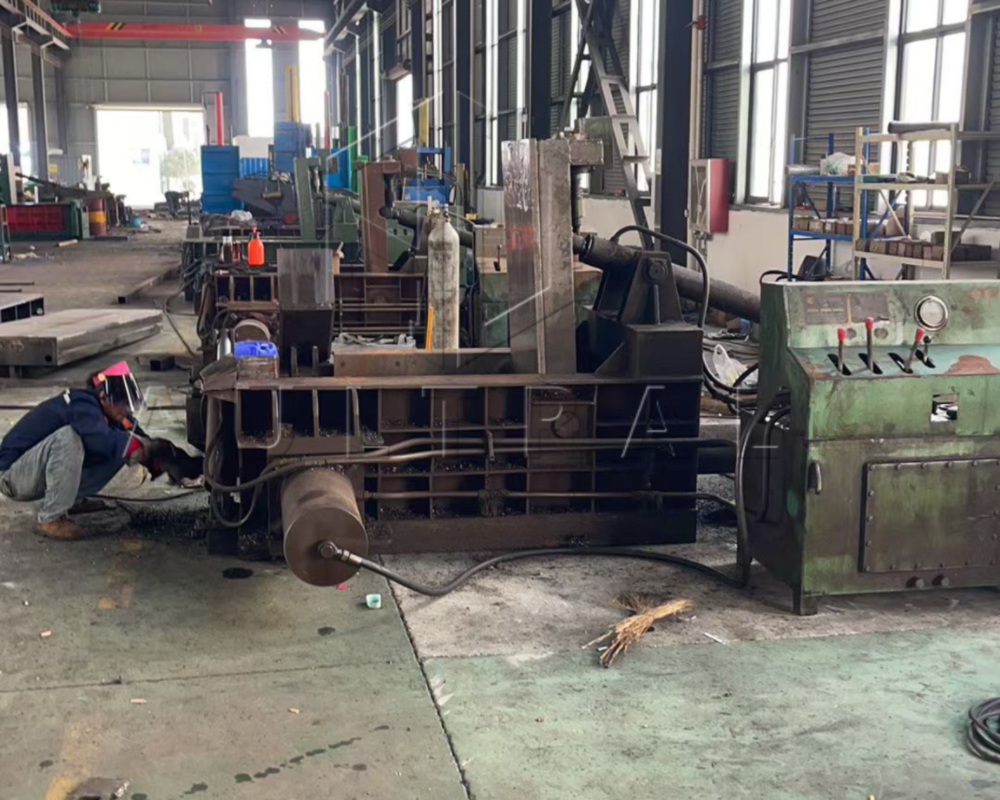
Using a used metal baler safely and efficiently involves several key steps:
1. Preparation Before Operation
-
Check the hydraulic oil level and ensure it is clean and sufficient.
-
Inspect the hydraulic hoses, seals, and valves for any signs of leakage.
-
Make sure all safety guards and interlocks are in place and functioning properly.
-
Clean the working area and remove any obstacles around the baler.
2. Feeding the Material
Load scrap metals (such as cans, aluminum sheets, or steel pieces) into the baler’s feeding chamber. Ensure materials are free of flammable items and large debris that could damage the machine.
3. Compression and Baling
Start the machine following the operation manual. The hydraulic system will automatically compress the metals into a tight bale. Depending on the model, some machines allow manual, semi-automatic, or fully automatic operation.
4. Bale Ejection
Once the compression cycle is complete, the bale will be ejected automatically or manually through a pushing cylinder or tilting system. The compacted bales can then be stacked or transported for further recycling processes.
Maintenance Tips for Used Metal Balers

Regular maintenance is essential to keep your used metal baler in top working condition and extend its service life. Here are some professional tips:
1. Check Hydraulic System Regularly
Hydraulic components are the heart of any metal baler. Inspect for oil leaks, worn seals, and loose connections weekly. Replace hydraulic oil every 6–12 months to ensure smooth pressure output.
2. Keep the Machine Clean
Metal dust, oil residue, and small scraps can accumulate inside the machine, leading to wear or overheating. Clean the baler daily after work to prevent these issues.
3. Inspect Electrical Components
Ensure all buttons, switches, and sensors function correctly. Faulty wiring or control boards can cause safety hazards or operation failure.
4. Lubricate Moving Parts
Apply proper grease and lubricants to sliding or rotating parts according to the manufacturer’s recommendation. This minimizes friction and mechanical wear.
5. Replace Worn Components Promptly
Do not delay replacing wear plates, seals, or cylinders when signs of damage appear. Preventive replacement saves money compared to emergency repairs.
6. Regular Operator Training
Ensure operators understand the correct working procedures and safety rules. Even a well-maintained machine can be damaged by improper use.
How to Choose the Right Used Metal Baler Machine
Selecting the right used baler depends on your specific materials, production needs, and budget. Below are some key factors to consider:
1. Type of Scrap Metal
Different metals require different compression forces.
-
Light metals (aluminum, cans): vertical or small horizontal balers.
-
Heavy metals (steel, iron, copper): large horizontal or side-press balers.
2. Production Capacity
Estimate how much scrap metal you need to process per hour or per day. Choose a model that matches or slightly exceeds your capacity to ensure efficiency.
3. Bale Size and Weight
Select a machine capable of producing bales that fit your transportation and storage needs. Standard bale sizes make logistics easier.
4. Automation Level
If you have limited labor or high throughput, consider semi-automatic or fully automatic models for faster and safer operation.
5. Brand and Reputation
Choose reliable brands known for durability and easy maintenance. Well-known manufacturers often have better spare parts availability and service support.
6. Machine Condition and Inspection
Before purchasing, inspect the used baler’s hydraulic system, cylinders, frame, and electrical control panel. Request a test run or video demonstration to verify performance.
7. Supplier Credibility
Buy from trusted suppliers or manufacturers that provide after-sales support, refurbishment certification, and warranty options. Avoid low-priced machines without quality assurance.
Common Types of Used Metal Balers
-
Vertical Metal Baler: Compact and cost-effective, suitable for small workshops.
-
Horizontal Metal Baler: Ideal for medium to large recycling centers, offers high output.
-
Double Ram Baler: Provides powerful compression for dense and heavy metals.
-
Scrap Metal Shear Baler: Combines shearing and baling for efficient processing of bulky metal waste.
Conclusion
A used metal baler machine is a smart and sustainable investment for recycling companies aiming to expand production without overspending. It combines reliability, performance, and affordability while contributing to eco-friendly waste management.
When properly inspected, used balers can operate efficiently for many years, helping you reduce costs, improve productivity, and support green recycling operations. Remember to choose a model that matches your specific needs, perform regular maintenance, and purchase from trusted suppliers to ensure lasting value.