
What Is A Horizontal Metal Baler Machine?
A horizontal metal baler machine is a hydraulic recycling machine designed to compress various types of scrap metal—such as aluminum, copper, iron, and steel—into compact, dense bales. These bales are easier to handle, transport, and store, significantly improving recycling efficiency and reducing logistics costs.
Unlike a vertical baler, which compresses materials from top to bottom, the horizontal type uses a side-pressing mechanism. This design allows for continuous feeding, higher automation, and greater output, making it ideal for large-scale recycling plants, metal processing factories, and scrap yards.
The machine typically consists of a hydraulic system, compression chamber, feeding conveyor, and electrical control unit. Depending on its configuration, it can be semi-automatic or fully automatic, with functions such as automatic feeding, baling, and bale ejection.
Why Choose A Used Horizontal Metal Baler?
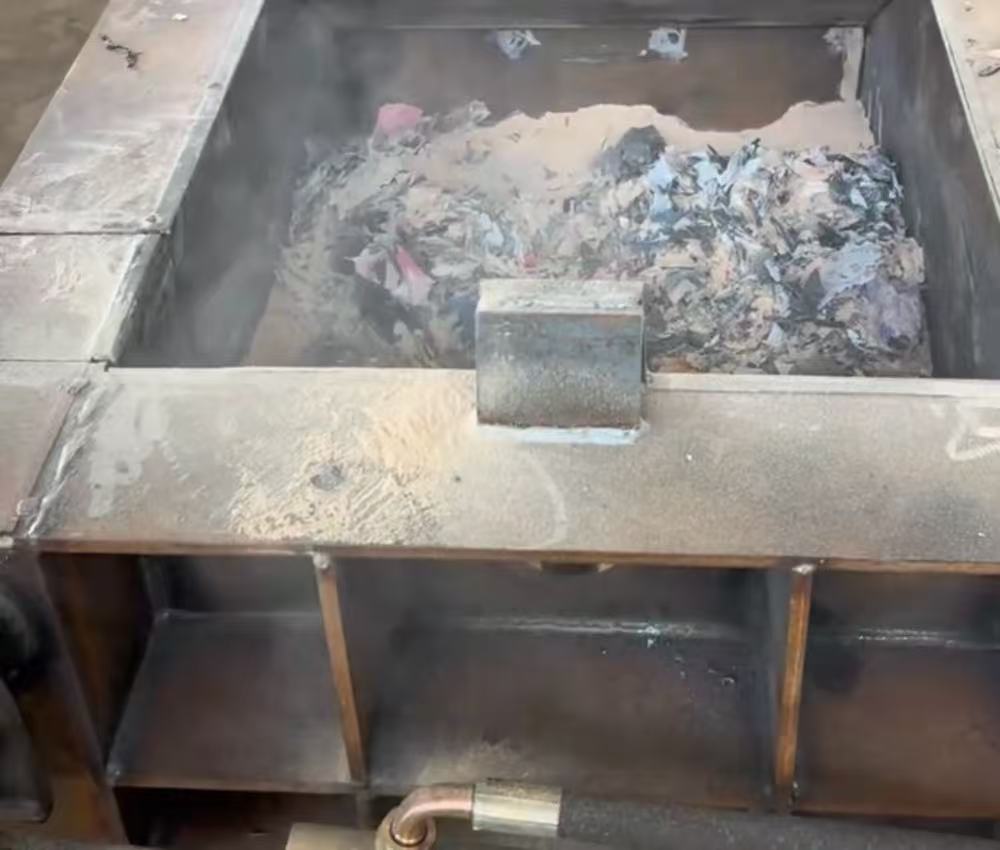
Investing in a used horizontal metal baler can be a smart and cost-effective choice for many recycling companies, especially those just starting or expanding operations. Here are several compelling reasons why:
1. Cost-Effective Investment
New metal balers can be expensive, especially large-capacity models. A high-quality used baler can cost 30–60% less than a new one while still offering excellent performance and durability. This allows companies to reduce capital investment and allocate funds to other essential areas such as logistics or manpower.
2. Proven Reliability
Used machines that come from reputable brands or certified suppliers have a proven performance record. These machines have already demonstrated their stability and durability in actual working conditions. When properly inspected and refurbished, they can perform nearly as well as new equipment.
3. Fast Availability
Buying a used machine means no waiting time for manufacturing. You can get the machine delivered and installed quickly, which helps you start production sooner and generate profit faster.
4. Eco-Friendly and Sustainable Choice
Choosing used equipment is also an environmentally friendly decision. It extends the life of machinery and reduces the carbon footprint associated with producing new equipment. For recycling companies, this aligns perfectly with their sustainability goals.
5. Easier Maintenance and Operation
Older models usually have a simpler structure and more readily available spare parts. Technicians are also more familiar with their design, which makes maintenance and operation easier.
How To Use A Horizontal Metal Baler Machine
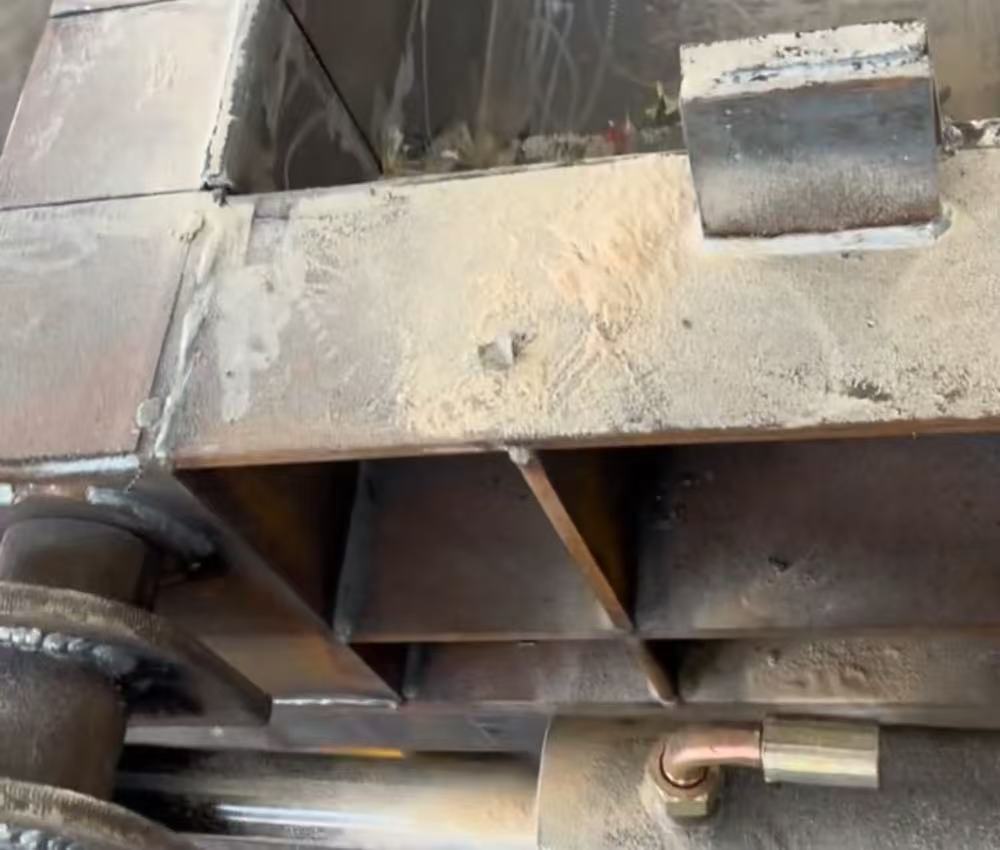
Operating a horizontal metal baler is relatively straightforward once you understand the basic process. Here’s a general step-by-step guide:
Step 1: Preparation
Before starting the machine, check the hydraulic oil level, inspect all hoses for leaks, and ensure the electrical system is properly connected. Make sure there are no metal fragments or debris in the compression chamber.
Step 2: Feeding
Feed the scrap metal into the hopper or onto the conveyor belt. The machine will automatically push the material into the compression chamber.
Step 3: Compression
The hydraulic cylinders apply powerful pressure to compress the metal into a dense rectangular bale. The compression force can reach up to 160 tons or more, depending on the model.
Step 4: Bale Ejection
Once the compression is complete, the machine automatically ejects the finished bale through the side or rear discharge gate. The bales are then ready for storage or transport.
Step 5: Shutdown
After operation, switch off the power and hydraulic system. Clean the working area and perform a quick inspection to ensure everything is in proper condition for the next use.
Maintenance Tips For Long-Term Performance
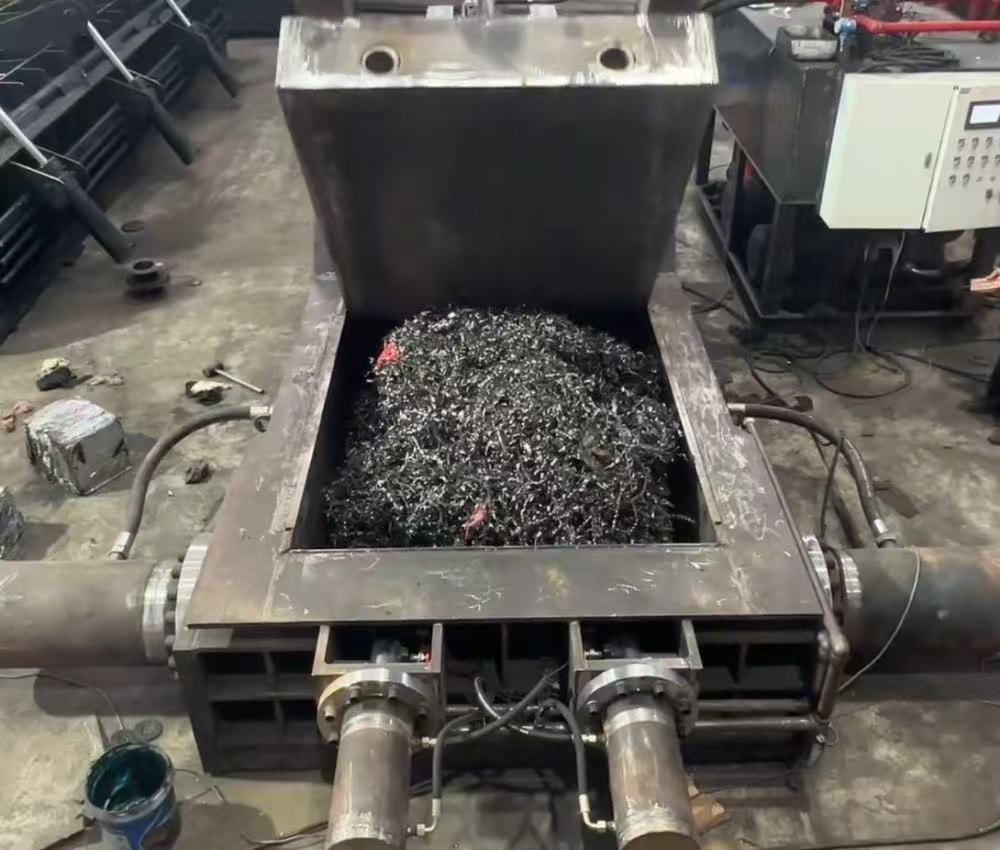
Regular maintenance is essential to ensure that your metal baler continues to run smoothly and safely. Follow these key maintenance tips:
1. Check Hydraulic Oil Regularly
Hydraulic oil is the lifeblood of the baler. Check oil levels weekly and replace it every 3–6 months to prevent contamination and wear.
2. Inspect Cylinders and Hoses
Look for oil leaks, cracks, or loosened fittings. Any minor hydraulic leak can lead to performance loss and safety risks.
3. Clean The Compression Chamber
Remove any remaining metal fragments or dirt from the chamber after each working day. This prevents wear and damage to the cylinder seals.
4. Tighten Bolts and Connections
Vibration from continuous operation can cause bolts and connections to loosen. Check and tighten them regularly.
5. Maintain Electrical Components
Ensure that all limit switches, relays, and safety sensors are functioning properly. Faulty components should be replaced immediately.
How To Choose The Right Used Horizontal Metal Baler
When selecting a used metal baler, it’s important to evaluate several factors to ensure you get the right model for your specific needs.
1. Determine Your Material Type
Different metals require different compression strengths. For example, steel and iron need higher pressure than aluminum or copper. Choose a machine with sufficient tonnage to handle your material.
2. Check Bale Size And Weight
Decide the ideal bale size based on your storage space, transport method, and downstream processing requirements. Typical bale sizes range from 300×300 mm to 600×600 mm.
3. Evaluate Automation Level
If you handle large volumes of scrap, a fully automatic model with a conveyor system and automatic tying is more efficient. For smaller operations, a semi-automatic model may be more cost-effective.
4. Inspect The Machine Condition
When buying a used unit, inspect the following carefully:
-
Hydraulic cylinder condition
-
Electrical control panel
-
Pump and motor operation
-
Machine structure (check for cracks or deformation)
-
Maintenance history and hours of operation
5. Consider Brand Reputation
Choose well-known brands or reliable manufacturers that offer after-sales support and spare parts supply. A reputable brand ensures better machine quality and easier maintenance.
6. Ask For A Test Run
Before finalizing the purchase, always request a test run. Observe the machine’s working pressure, noise level, and bale uniformity.
Reliable after-sales service
Before you make your final decision, it’s always wise to compare several models and suppliers. Ask for detailed specifications, actual working videos, and customer feedback. A trustworthy supplier should be willing to share past project cases and help you choose the most suitable machine based on your material, budget, and site layout.
Also, ensure that the supplier provides installation guidance and technical support, especially if you are purchasing from overseas. Reliable after-sales service can make a big difference in long-term performance and user satisfaction.
Conclusion
A used horizontal metal baler machine offers an excellent balance between cost and performance. Whether you are recycling aluminum cans, steel sheets, or copper wires, this machine can help reduce waste volume, improve efficiency, and support sustainable operations.
By understanding how it works, maintaining it properly, and choosing the right model for your materials, you can maximize productivity and extend the machine’s lifespan.
If you are looking for a reliable, high-performance, and affordable used metal baler, Shanghai Aultral Machinery Co., Ltd. provides a wide range of certified machines with CE and ISO9001 standards. Contact us today to find the perfect baler for your recycling business.